Lost Species Found
Rediscoveries of Re:wild’s Most Wanted Lost Species
When we set out on the Search for Lost Species, we weren’t sure what we’d find. Years later, we’ve confirmed the rediscoveries of a handful of our most wanted lost species, including a tap-dancing spider, an iridescent mole, a fanged mini-deer and the world’s largest bee.
Here you’ll find the list of most wanted lost species whose rediscoveries we have either supported or, with partners, confirmed.
Species rediscoveries like these often have the power to catalyze conservation actions. Each new rediscovery has reminded us that we can find hope in even the most unlikely situations and that these stories of overlooked, but fascinating species can be a powerful antidote to despair.
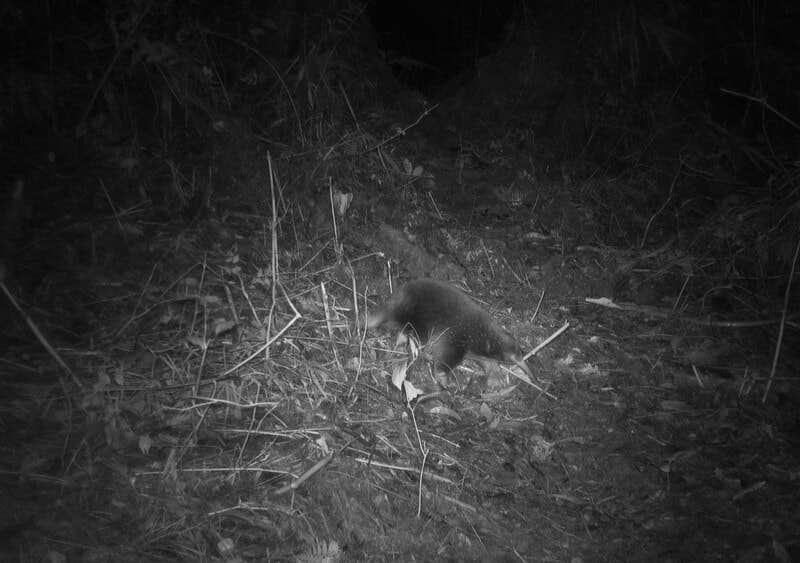
Attenborough's Long-beaked Echidna
Years Lost: 62
Year Found: 2023
Red List Status: Critically Endangered
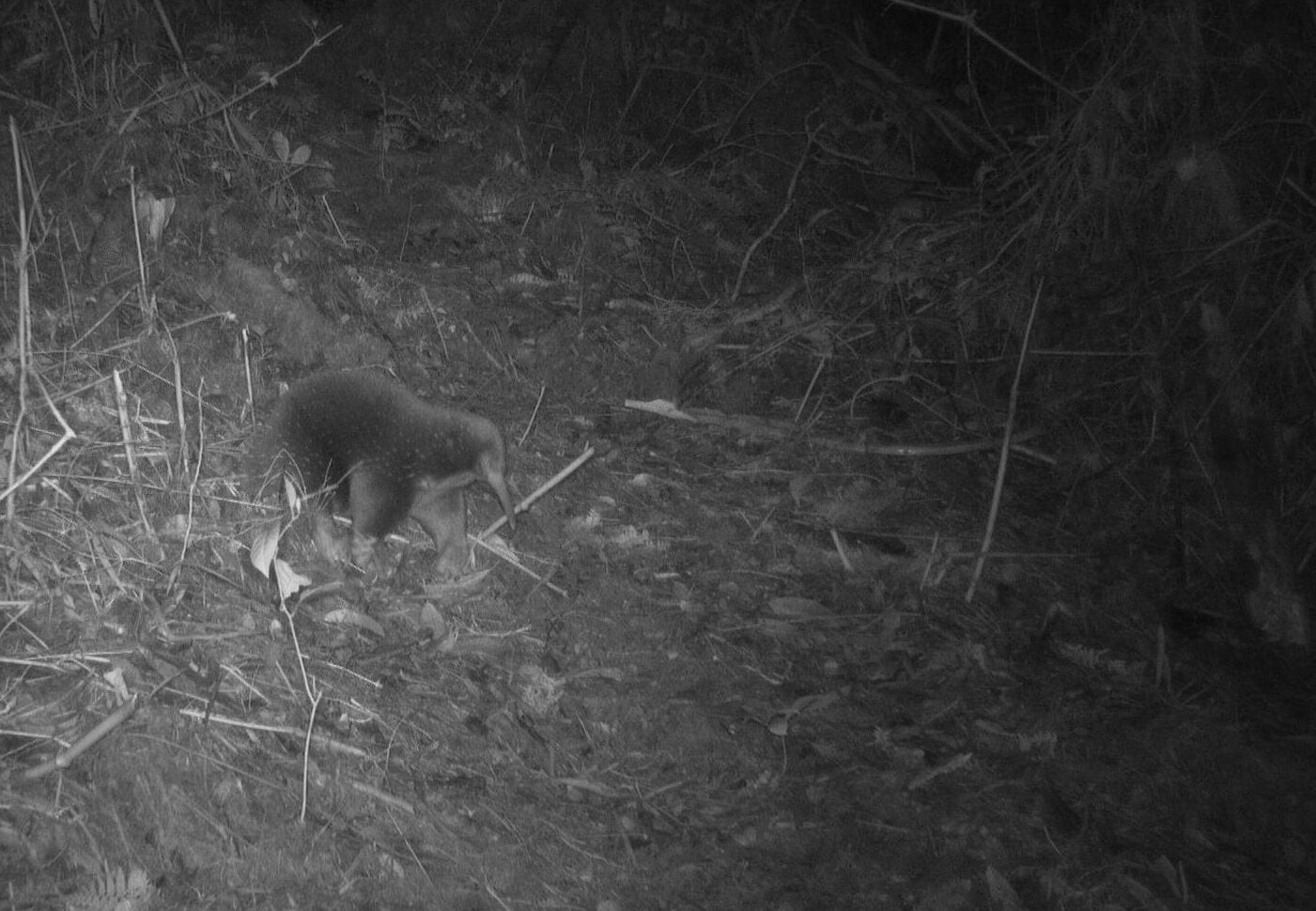
More than 60 years after the collection of the only scientific evidence of Attenborough’s Long-beaked Echidna (Zaglossus attenboroughi), a biodiversity training expedition team led by Indonesian NGO Yayasan Pelayanan Papua Nenda (YAPPENDA), with students from Cenderawasih University (UNCEN) and supported by researchers from Oxford University, rediscovered the toddling, nocturnal, egg-laying Attenborough’s Long-beaked Echidna in Indonesia’s Cyclops Mountains in the Province of Papua.
The expedition team—which also included biologists from Mendel University in Brno, Royal Holloway University in London, and Re:wild—captured the first-ever photos and video of the echidna on remote trail cameras set up in the tropical rainforests of the Indonesian province of Papua.
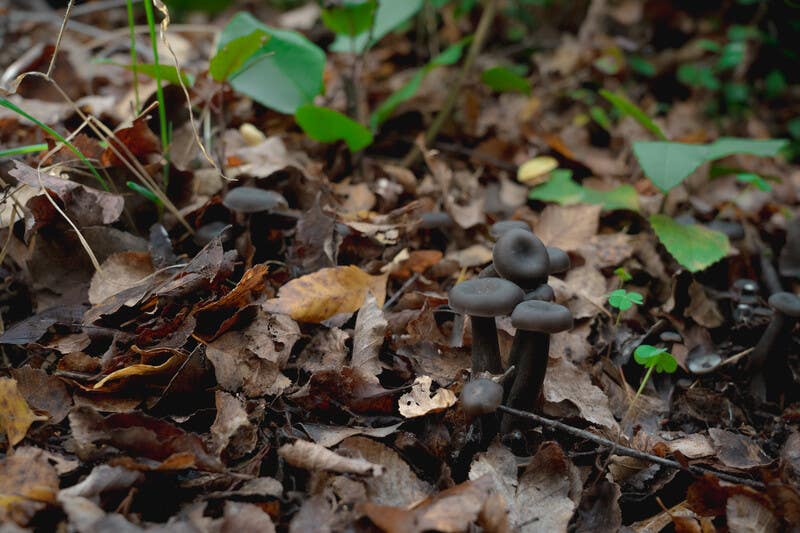
Big Puma Fungus
Years Lost: 36
Year Found: 2023
Red List Status: Not Evaluated
The Big Puma Fungus — otherwise known as Nahuelbuta Austroomphaliaster (try saying that five times fast, or even once!) — was officially the first-ever member of the fungi kingdom to feature on Rewild’s most wanted lost species list. Described for the first time in 1988 by Garrido in Bibliotheca Mycologica, this fungus is endemic to the Cordillera de Nahuelbuta, a mountain range in the temperate forest of South America, with which the fungus also shares a name. In the Mapuzungun language nahuel is the word for “puma,” and buta is the word for “big.”
In 2023, an expedition team led by the Fungi Foundation and Fundación Nahuelbuta set out for the temperate forests of the Nahuelbuta Mountains in May 2023, timing the expedition to coincide with the exact days in May that Chilean mycologist Norberto Garrido had hiked the mountains more than 40 years earlier when he discovered the species. The efforts paid off and the team rediscovered the species on the very last day of the expedition. The expedition team compared the DNA from the mushroom collected in May 2023 to the DNA of the original mushroom Garrido collected during the 1980s. The analysis took several months, but ultimately showed that the two were the same species. Photo by Catalina Infante/Fungi Foundation.
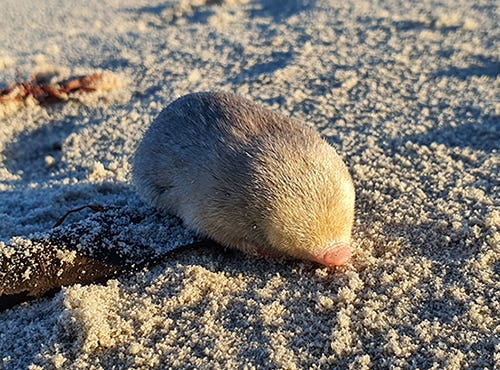
De Winton's Golden Mole
Years Lost: 87
Red List Status: Critically Endangered
Using a burgeoning technique never used before to detect golden moles, a team of conservationists and geneticists from the Endangered Wildlife Trust (EWT) and the University of Pretoria, supported by Re:wild, announced the rediscovery of De Winton’s Golden Mole in 2023. The EWT-led team used environmental DNA (eDNA), which is the DNA that animals shed as they move through the environment, typically in the form of skin cells, hair and bodily excretions. In addition to living in largely inaccessible burrows, golden moles have extremely sensitive hearing and can detect vibrations from movement above ground, which helps them avoid being seen from the surface. They also rarely leave tunnels behind that are visible from the surface as they move under the sand.
After collecting more than 100 soil samples in June 2021 from beaches and dunes on the northwest coast of South Africa —including Port Nolloth beach, the only place where De Winton’s golden mole had ever been found— and conducting a complex and comprehensive genetic analysis of each sample, the team determined that there were several species of golden mole living in the sand along the stretch of coast. When the team compared their eDNA sequences from Port Nolloth beach to a reference sequence, it was a clear match to De Winton’s golden mole. Photo by JP Le Roux.
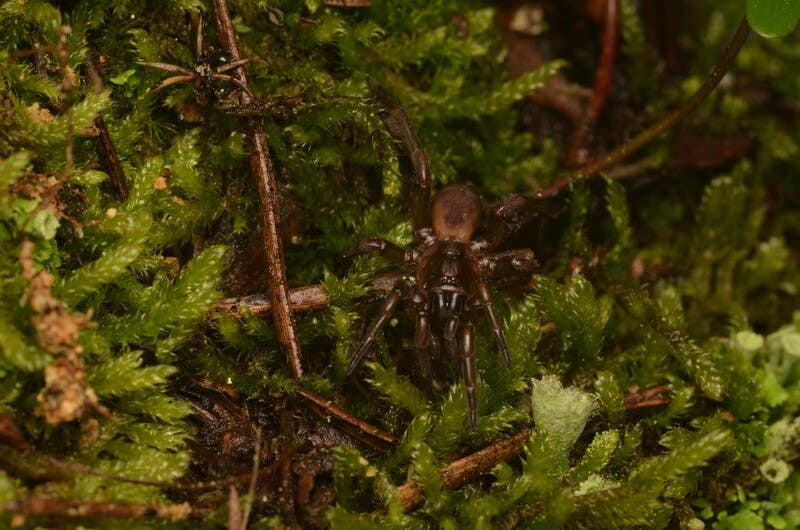
Fagilde’s Trapdoor Spider
Years Lost: 92
Year Found: 2021
Red List Status: Not Evaluated
Fagilde’s Trapdoor Spider was described for the first time in 1931 based on two females collected outside a small village in north-central Portugal by a pioneering female entomologist. No males had ever been found, as far as we knew, but males of this group wander in search of females, and tap dance at the doors of females burrows to mate.
In 2023, an expedition team led by the Global Center for Species Survival at the Indianapolis Zoo rediscovered the species, which had been lost to science since it was first described. The expedition team searched forested areas around Fagilde and inside the village limits between August 2021 and November 2023, combing the leaf litter for trapdoor spider burrows and building artificial spider-hiding spots in hopes of enticing wandering male spiders. The spider was found in the only area where Fagilde’s trapdoor spider had ever been recorded, and had the same dorsal pattern as mentioned in the species’ original 1931 description. DNA analysis revealed that the spider found inside a burrow in 2021 was not a genetic match for any other known trapdoor spider in the area, which meant it had to be the lost Fagilde’s trapdoor spider the team was searching for. Photo by Sergio Henriques.
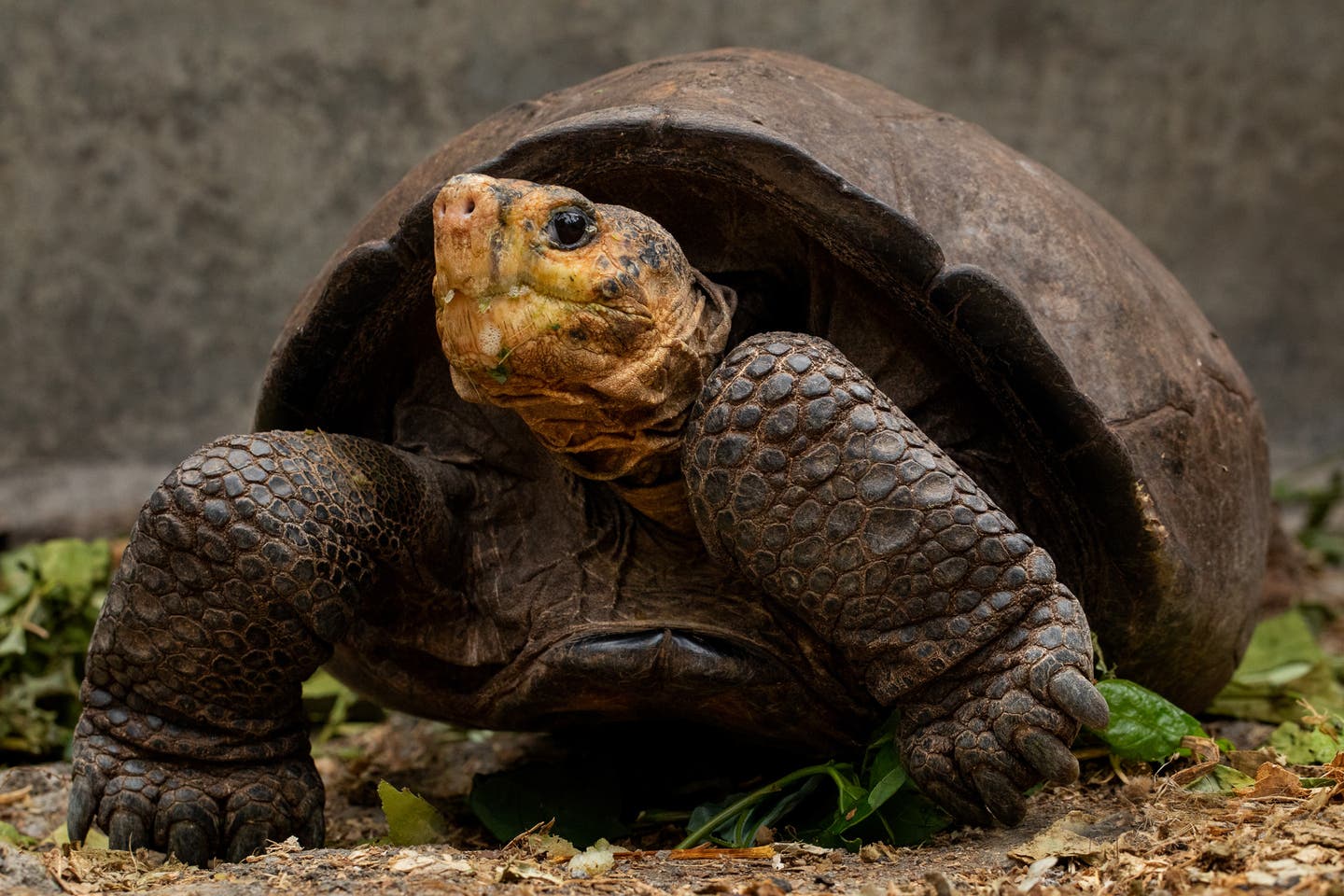
Fernandina Galápagos Tortoise
Years Lost: 113
Year Found: 2019
Red List Status: Critically Endangered
In 2021, scientists at Yale University, with support from Re:wild and other partners, confirmed a genetic match between the only individual Fernandina Galapagos Tortoise (or Fernandina Giant Tortoise)—collected in 1906—and a single female tortoise found during a 2019 expedition to Fernandina Island. The finding marked the seventh rediscovery of one of Re:wild’s original top 25 most wanted lost species and the longest lost on that list.
When the animal was found in 2019 on an expedition led by the Galápagos National Park Directorate and Galapagos Conservancy and supported by Discovery’s Animal Planet, the main question the team had to answer was whether she was, in fact the possibly extinct Fernandina Galapagos Tortoise or a different tortoise species in the form of an individual translocated from another island. Photo by Lucas Bustamante.
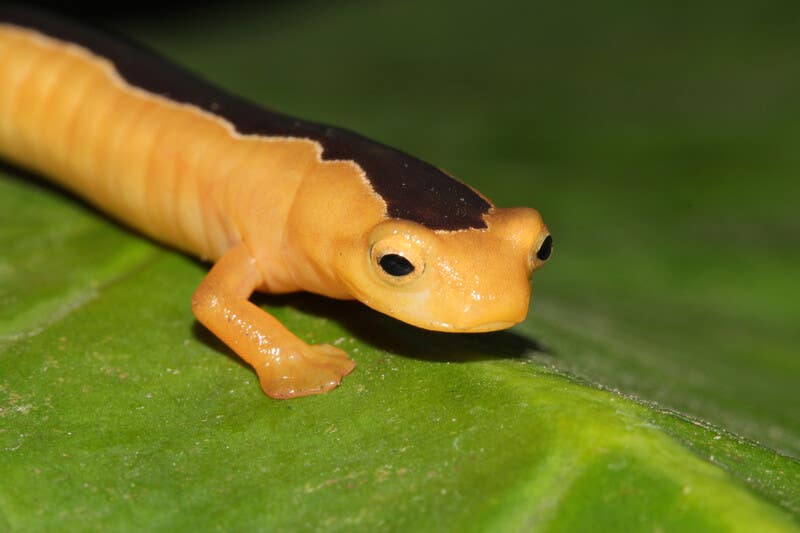
Jackson’s Climbing Salamander
Years Lost: 42
Year Found: 2027
Red List Status: Critically Endangered
In 2017, the Jackson’s Climbing Salamander, aka the “golden wonder,” became the first of the Search for Lost Species’ most wanted lost species to be rediscovered. After partners at FUNDAECO hung up posters and educated park guards at the Yal Unin Yul Witz Reserve about the salamander, one of those guards happened to catch sight of one during his lunch break. The reserve itself had been established only two years before by a consortium of international groups, including Re:wild, in part to help protect the Finca Chiblac Salamander and Long-limbed Salamander, which had both been rediscovered there in 2014. After the rediscovery of Jackson’s Climbing Salamander on the edges of the reserve’s border, Re:wild helped support an expansion of the reserve.
Jackson’s Climbing Salamander had not been seen since Paul Elias discovered the species in the mid-1970s and named it after colleague Jeremy Jackson. The salamander, an elusive cloud forest species that is adept at escaping human attention, eluded a 2014 expedition that Re:wild launched with Elias and Jackson to retrace their steps four decades later. Photo by Carlos Vasquez Almazan.
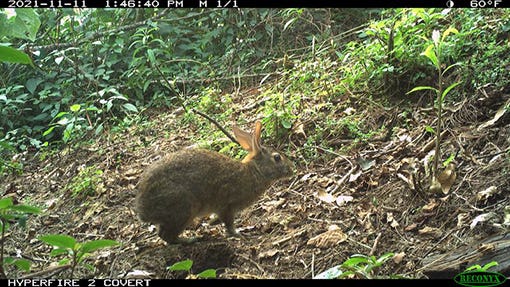
Omiltemi Cottontail Rabbit
Years Lost: over 120 years
Year Found: 2024
Red List Status: Data Deficient
This species of rabbit was rediscovered in the Sierra Madre del Sur, a small, semi-isolated mountain range in Mexico. The Omiltemi Cottontail Rabbit was lost to science, but communities in the mountains knew where to find the species. An expedition team visited 10 areas in the state of Guerrero over five years and found the rabbit in seven of these areas. The rabbit has “cottontail” in its name, but instead, its tail is black and short. It’s smaller overall than other rabbits in the area and also has smaller ears.

Pernambuco Holly
Years Lost: 185
Year Found: 2023
Red List Status: Critically Endangered
In 2023, an expedition team, searching Brazil’s Pernambuco state, rediscovered this small and inconspicuous holly tree (Ilex sapiiformis), which had eluded botanists and conservationists for nearly two centuries. The tree, which can reach between 26 and 40 feet in height (8-to-12 meters), was found in Igarassu in northeastern Brazil. The place where the team found the tree was once dense Atlantic tropical forest, but is now mostly urban areas surrounded and interspersed by sugarcane plantations.
The expedition team, led by Gustavo Martinelli, an ecologist with Navia Biodiversity Ltd., spent six days searching different areas in Recife during which they found four of the trees. A team from Jardim Botânico de Recife is monitoring the four Pernambuco holly trees the expedition team found, and is working to propagate the trees. The team hopes to collect seeds of the tree and germinate them. Photo by Fred Jordão.
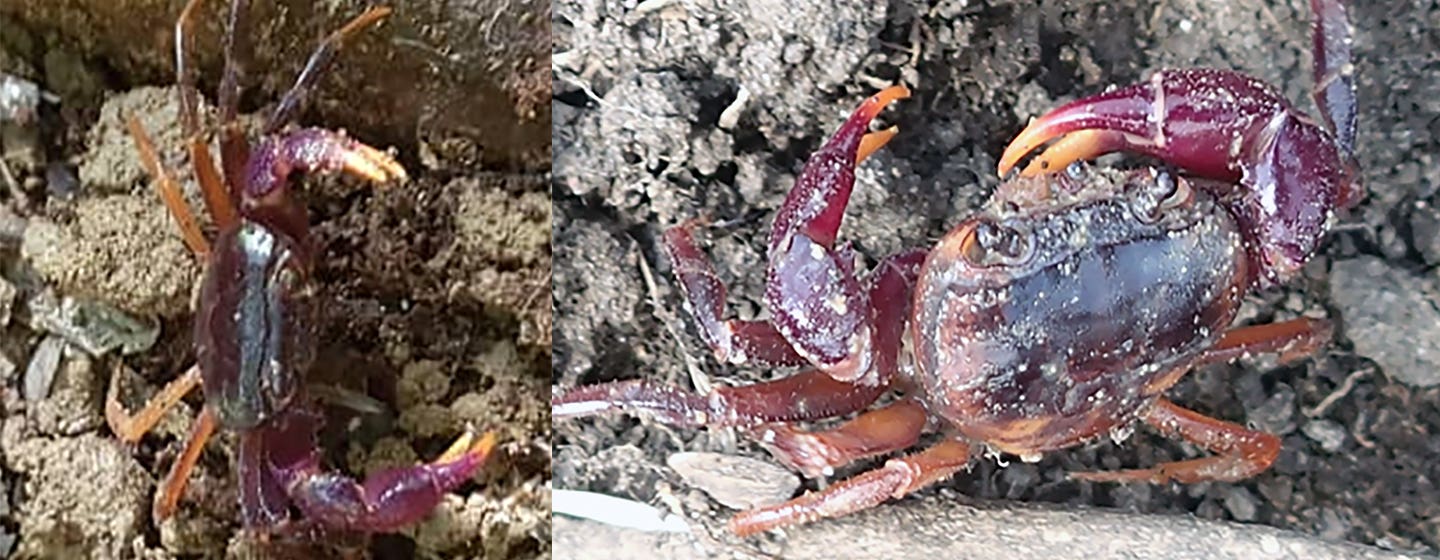
Sierra Leone Crab
Years Lost: 66
Year Found: 2021
Red List Status: Critically Endangered
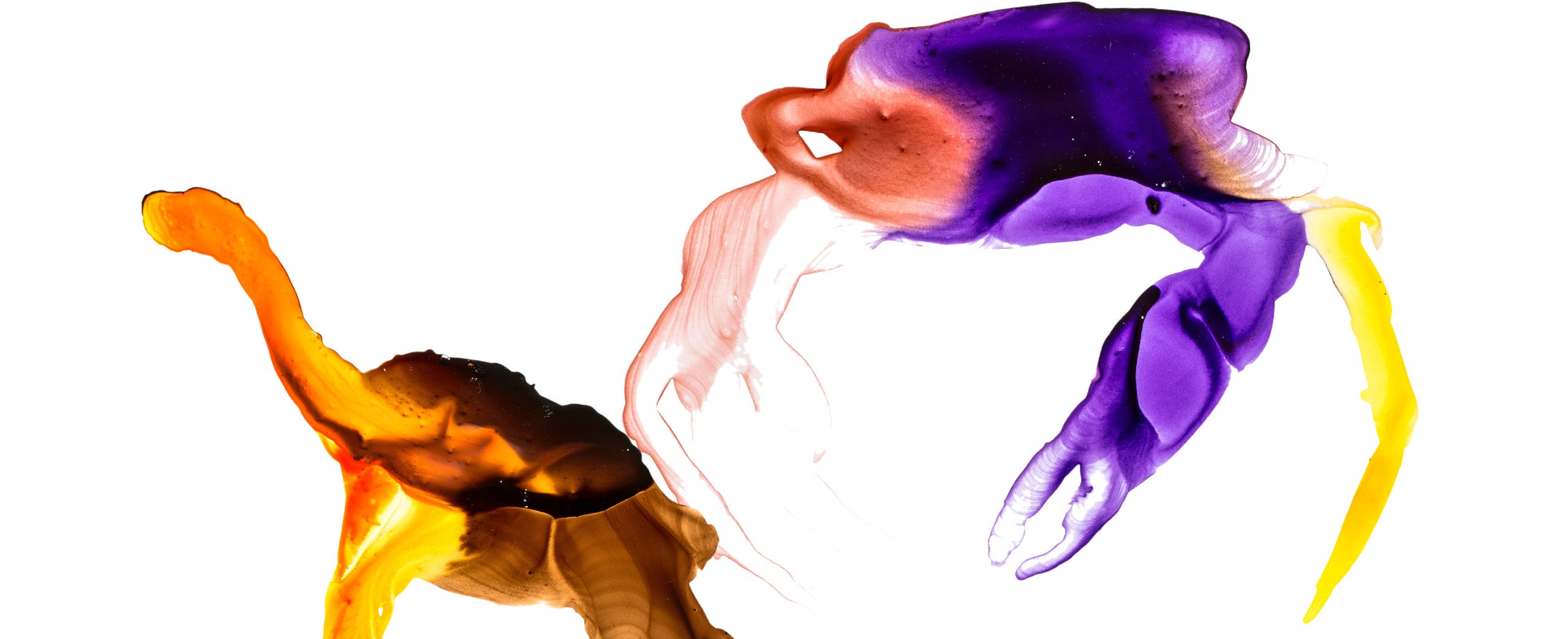
In 2021, researcher Pierre A. Mvogo Ndongo rediscovered the Sierra Leone Crab (Afrithelphusa leonensis) after the species had been lost to science for 66 years. He found six of the brilliantly colored, land-dwelling crabs in the forested Sugar Loaf Mountains near Freetown, Sierra Leone, where they were living in deep burrows far from permanent water. Males have pinkish-purple claws and orange legs, while females are more purple with mottled orange-yellow legs.
Mvogo Ndongo spent 23 days searching across Sierra Leone, interviewing local community members and surveying nine different areas before a tip from a community member helped lead him deep into the forest near Guma Lake. The expedition ultimately rediscovered not one but two lost species: the Sierra Leone Crab and Afzelius’s Crab (Afrithelphusa afzelii), which had not been recorded since 1796. Mvogo Ndongo also discovered two freshwater crab species previously unknown to science. Researchers are now working to better understand the rediscovered species’ populations, ecology and behavior and develop conservation plans as agriculture and firewood collection continue to threaten their forest habitat.
Photo by Pierre A. Mvogo Ndongo.
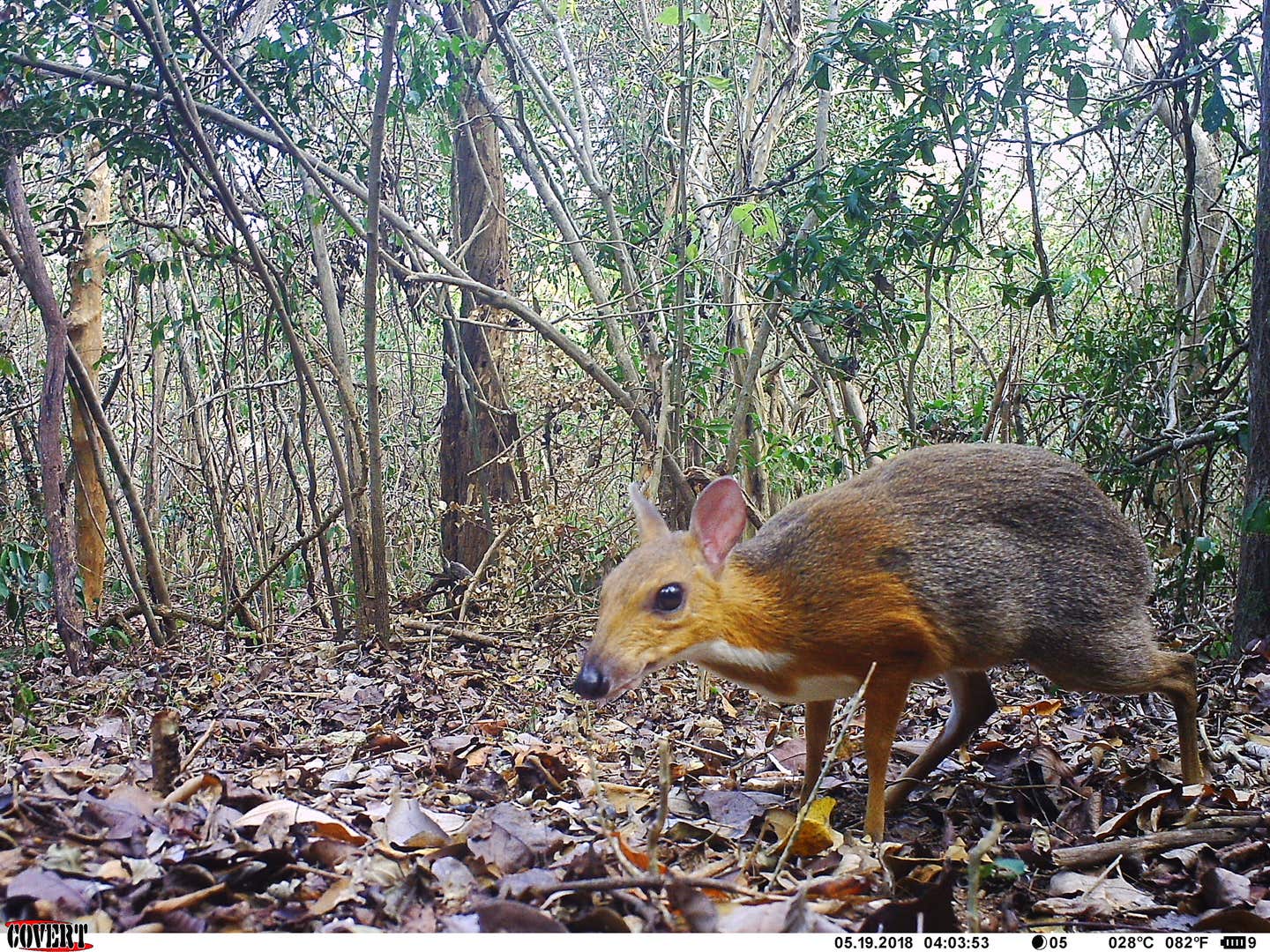
Silver-backed Chevrotain
Years Lost: 28
Year Found: 2019
Red List Status: Data Deficient
The Silver-backed Chevrotain, a deer-like species the size of a rabbit or small cat, was the first mammal on the Search for Lost Species’ most wanted lost species to be rediscovered. It was rediscovered by Re:wild and partners Southern Institute of Ecology and Leibniz Institute for Zoo and Wildlife Research. Scientists published the rediscovery in the journal Nature Ecology & Evolution in November of 2019. Re:wild, GreenViet, Southern Institute of Ecology and Leibniz Institute for Zoo and Wildlife Research have since found two more small populations of the species.
Finding the chevrotain—also called a deer-mouse—had been one of the highest mammal conservation priorities in the Annamite Mountains. Before 2019, there had only been one record of the species since 1907.
The field team is studying how large and stable these populations of Silver-backed Chevrotains are, the exact distribution of the species, and the threats to its survival. They are using the information that they gather to develop and implement a conservation action plan that strengthens enforcement and protection of the species across its range, building on the increased enforcement already put in place at the site of rediscovery.
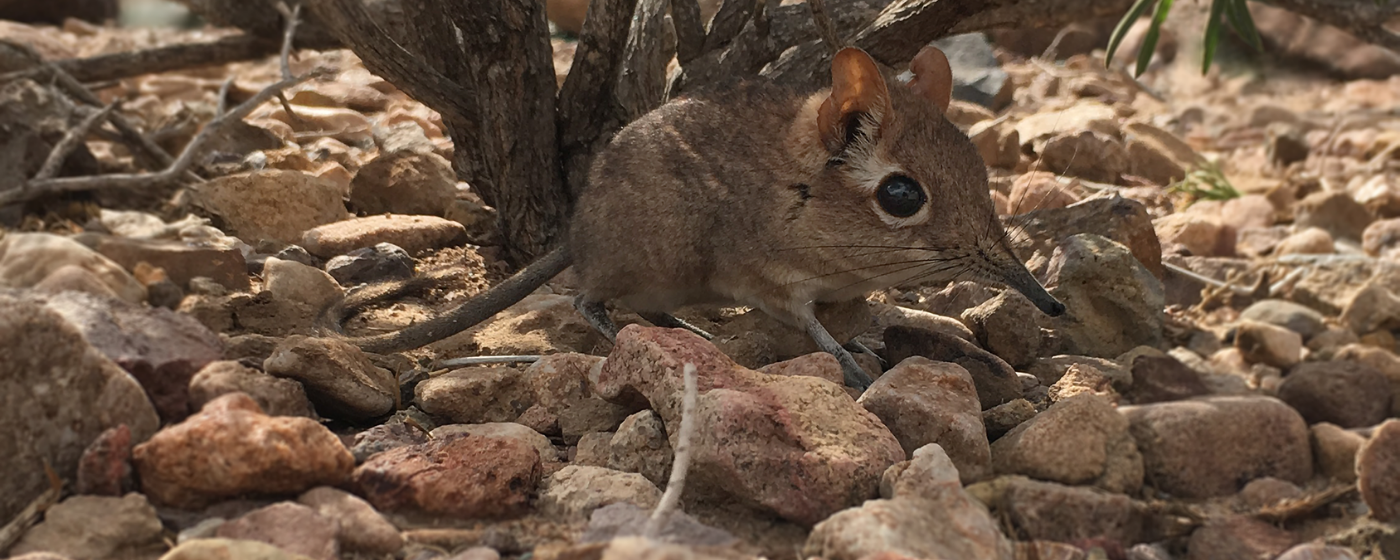
Somali Sengi
Years Lost: At least 51
Year Found: 2020
Red List Status: Data Deficient
In 2020, scientists published a paper in PeerJ announcing the rediscovery of the little Somali Sengi, one of the Search for Lost Species’ most wanted lost species, which made headlines around the world. The year before, a team of scientists including Steven Heritage, the late Galen Rathbun, and Houssein Rayaleh set out to Djibouti in search of the eccentric insectivorous mammal. Using interviews with local communities and results from scat analysis, the team set a total of 1,259 live traps at 12 locations. They caught a Somali Sengi in the very first trap they set, saw 12 sengis in total, and took the first-ever photos and video of live Somali Sengis. The species had not been documented since before 1968 in Somalia.
This sengi species was among the least well-known of the world’s 20 species of sengis, making it one of the last big mysteries of African mammalogy. It was previously known to science only from 39 individuals collected up to hundreds of years ago and stored today at museums.
Sengi are very swift small mammals that don’t belong to the family of true shrews, but are in their own family that is more closely related to elephants than shrews. They have long noses (thus the elephant part of their name) that they use to probe for insect prey. Photo by Steven Heritage, Duke University Lemur Center.
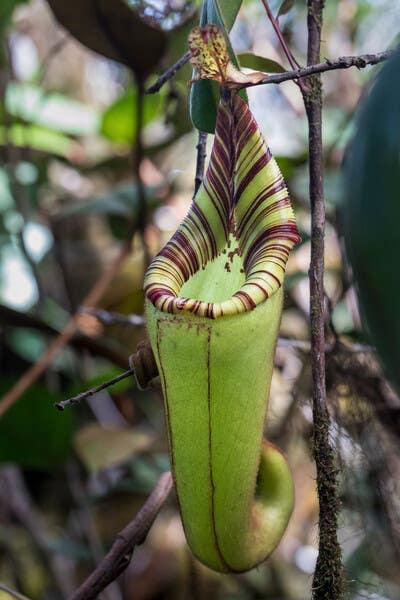
Velvet Pitcher Plant
Years Lost: 101
Year Found: 2019
Red List Status: Data Deficient
In 2019, Re:wild confirmed the exciting rediscovery of this species by an independent team of botanists who trekked to a mountain in the most remote, true wilderness in Borneo in search of the Velvet Pitcher Plant.
Pitcher plants are carnivorous plants that use a deep cavity filled with digestive enzymes—a trap set for unsuspecting insects—to catch their meals. The Velvet Pitcher Plant was known only from the original specimens discovered in 1918.
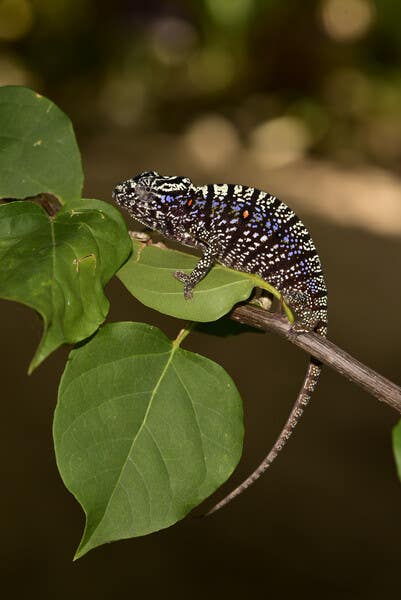
Voeltzkow’s Chameleon
Years Lost: 107
Year Found: 2018
Red List Status: Not Evaluated
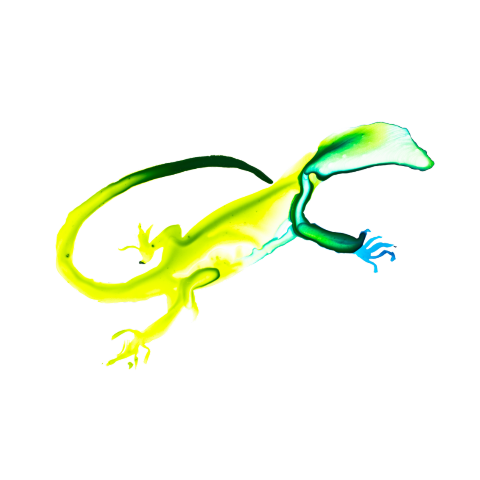
An expedition team’s two-week trip to northwestern Madagascar in 2018 in search of the lost Voeltzkow’s Chameleon (Furcifer voletzkowi) not only resulted in the successful rediscovery of the species, but the discovery that females are very colorful. The Voltzkow’s chameleon was the sixth of Re:wild’s top 25 “most wanted” lost species to be rediscovered, and its rediscovery is helping unlock the many secrets surrounding the cryptic species first described in 1893 and last seen in 1913 in Madagascar.
Frank Glaw, head of the Department of Vertebrates at the Zoologische Staatssammlung München, who led the expedition, which also included chameleon asset management ltd, the Swiss sponsor, represented by Carlos Zanotelli, and the University of Antananarivo in Madagascar. Photo by Kathrin Glaw.
Wallace's Giant Bee
Years Lost: 38
Year Found: 2019
Red List Status: Vulnerable
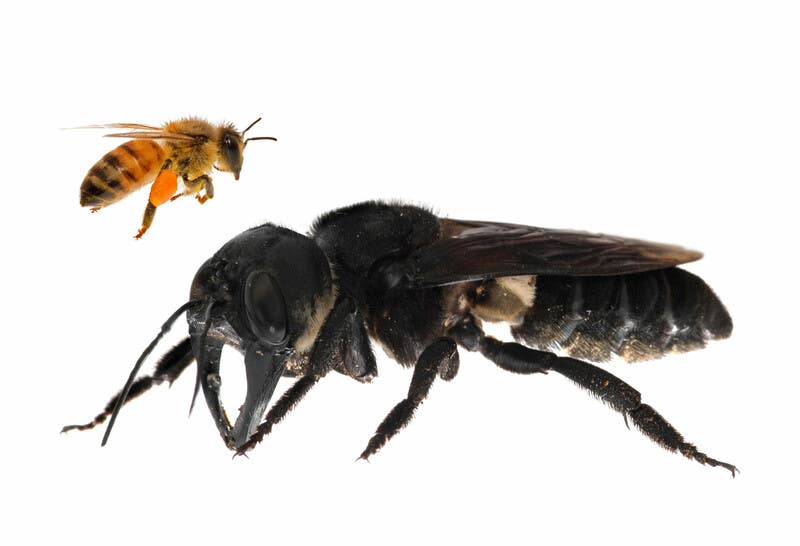
Wallace’s Giant Bee was the second of the Search for Lost Species' most wanted lost species to be found. An independent search team that set out to find and photograph the bee —including natural history photographer Clay Bolt— rediscovered the species in 2019.
Wallace's Giant Bee, with an estimated maximum wingspan of two and a half inches, is the largest bee on Earth. It was believed extinct until it was rediscovered in 1981 by American researcher Adam C. Messer, who found six nests on the island of Bacan and other nearby islands. It hasn’t been seen since. A 1984 paper touched on the life history of the bee, which exhibits uncommon communal behavior, and rediscovery offers the possibility of greater insight into the life of this fascinating creature. The species was originally collected by British naturalist Alfred Russel Wallace in 1859. Photo by Clay Bolt.
Wellington’s Solitary Coral
Years Lost: 24
Year Found: 2024
Red List Status: Critically Endangered
In January 2024, scientists from the California Academy of Sciences, Charles Darwin Foundation and Galápagos National Park Directorate rediscovered Wellington’s Solitary Coral (Rhizopsammia wellingtoni) in the Galápagos, 24 years after it was last seen. Divers first found the coral near Tagus Cove off Isabela Island—the same area where scientists originally discovered the species in 1975—and ultimately documented more than 250 colonies across four sites, including populations off Isabela and Fernandina islands.
Found nowhere else on Earth, Wellington’s Solitary Coral was once abundant in parts of the Galápagos before the extreme warming of the 1982–83 El Niño devastated its populations. The rediscovery revealed that the species had not only survived but was reproducing, with researchers finding budding polyps among the newly documented colonies. Scientists also confirmed that the coral lives in deeper, cooler waters more than 100 meters (328 feet) below the surface, raising the possibility that these deeper reefs provided refuge during periods of extreme ocean warming. Researchers are now studying the genetics of the rediscovered populations to better understand their diversity, connectivity and resilience to future environmental change.
Wondiwoi Tree Kangaroo
Years Lost: 96
Year Found: 2018
Red List Status: Critically Endangered
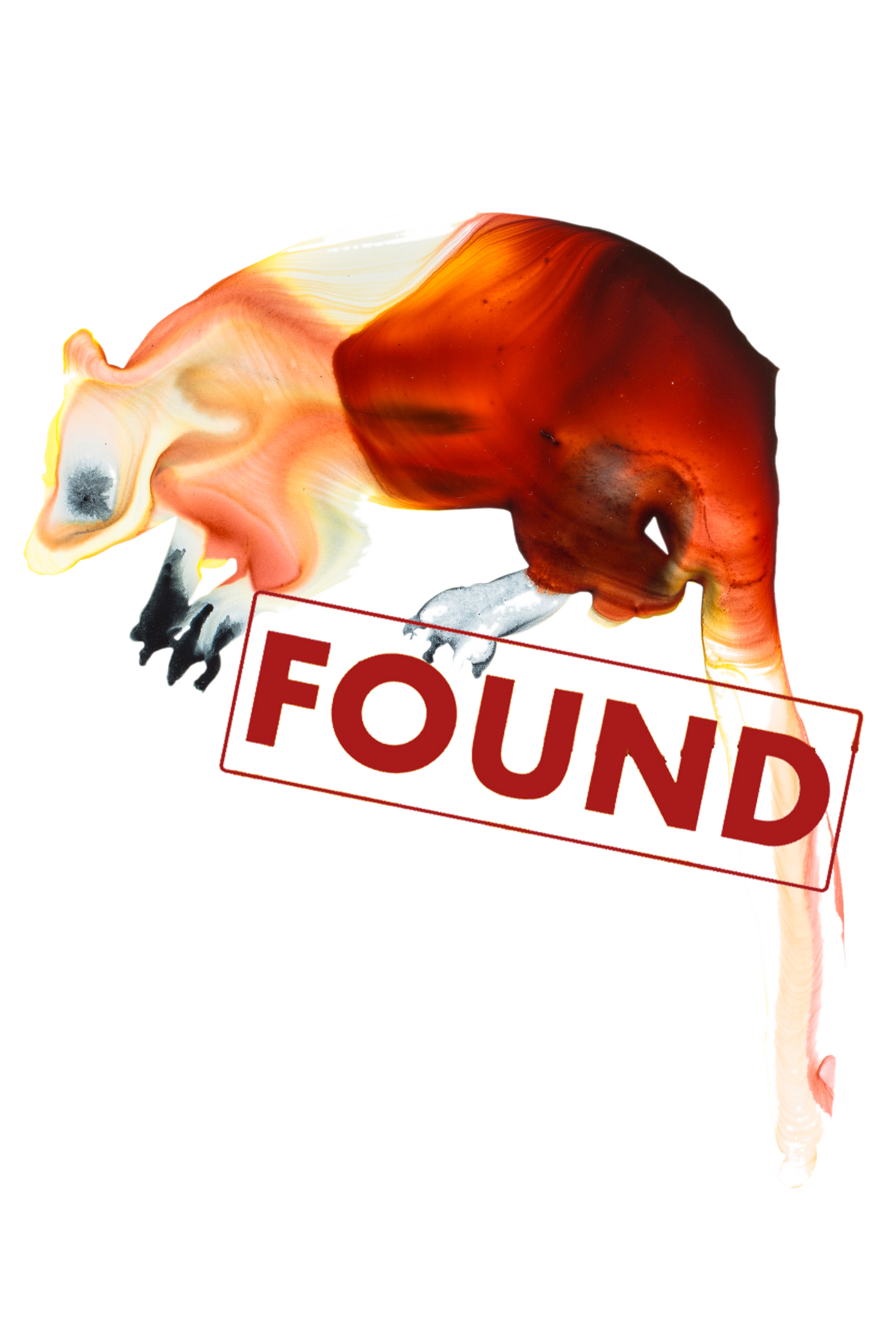
In 2018, a tourist exploring the remote mountains of West Papua photographed what experts identified as a Wondiwoi Tree Kangaroo--90 years after the species’ only confirmed scientific record. Although the photos were not clear enough to provide definitive confirmation, they offered compelling evidence that this long-lost tree kangaroo may still survive.
Before those photographs, everything scientists knew about the Wondiwoi Tree Kangaroo came from a single adult male collected in 1928 by evolutionary biologist Ernst Mayr. Mayr found the animal in mossy montane forest about 5,250 feet (1,600 meters) above sea level on the Wondiwoi Peninsula. How the species came to inhabit these isolated high-elevation forests remains an enduring biogeographical puzzle.
Future expeditions could confirm the rediscovery by obtaining DNA or clearer photographic evidence, while helping scientists understand where the Wondiwoi Tree Kangaroo survives, how many may remain and what conservation measures could help protect it.
Rediscoveries of Lost Species on Priority Lists
In addition to Re:wild’s most wanted lost species list, we also have our priority lists of species by taxonomy or geography. When we have confirmed the rediscoveries of any of the species that appear on these most wanted or priority lists, they’ll show up here.
Diyarbakir (Batman River) Loach
Years Lost: 49
Year Found: 2022
Red List Status: Critically Endangered
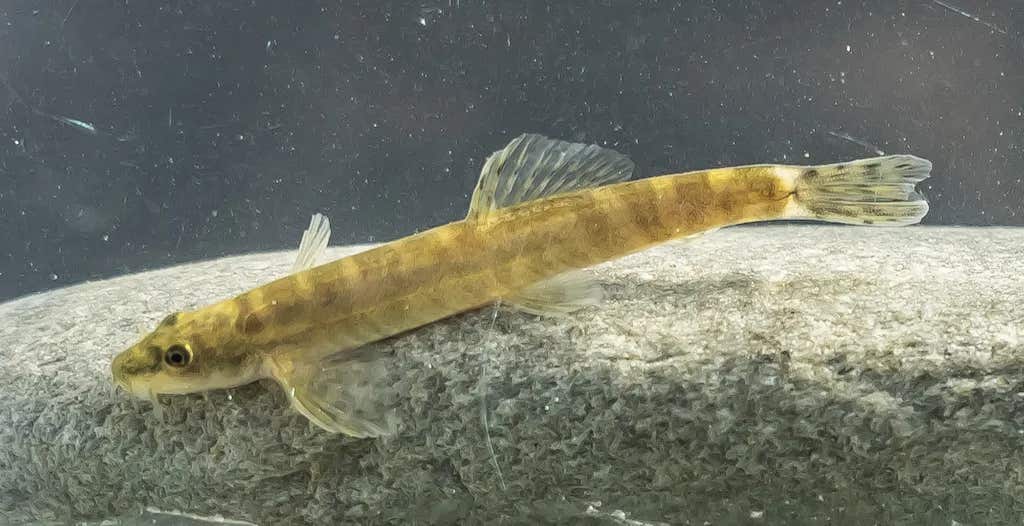
In 2022, Turkish ichthyologists rediscovered populations of the Critically Endangered Batman River Loach in two streams in southeast Turkey, the first time the tiny fish has been seen since 1974, and the first species rediscovered on Shoal and Re:wild’s top 10 most wanted lost fishes list, which launched in June 2021.
Populations of the Batman River loach nosedived after the construction of the Batman Dam in Turkey between 1986 and 1999, leading some scientists to fear it may have become extinct. The species’ habitat is now fragmented due to the dam, and the fish can no longer move downstream.
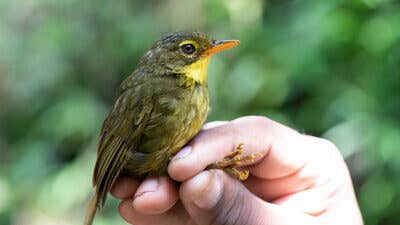
Dusky Tetraka
Years Lost: 24
Year Found: 2022
Red List Status: Data Deficient
For many years, this semi-terrestrial songbird was a mystery in Madagascar, in large part because it wasn’t always clear how to separate it from a similar, related species. However, this all changed in 2022 and 2023, when it was rediscovered at two separate locations in the northeast! Recent encounters within lowland rainforest suggest it may prefer streamside haunts. Photo by John C. Mittermeier.
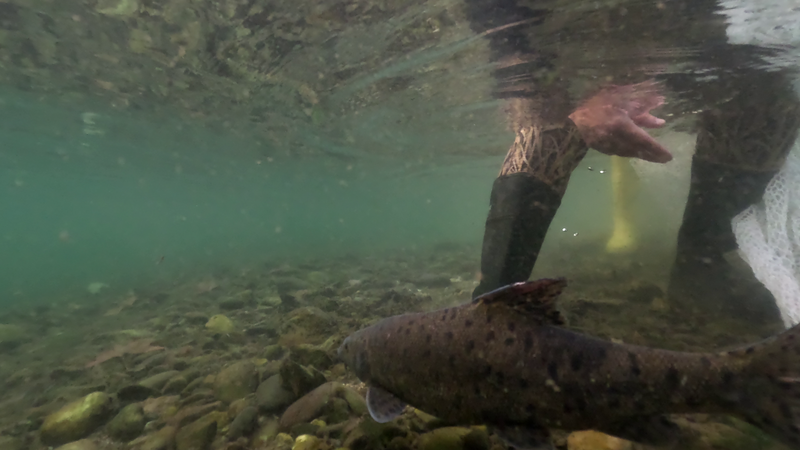
Leopard Barbel
Years Lost: 12
Year Found: 2024
Red List Status: Critically Endangered
This species, which is also known as the Mesopotamian Barbel or Spot Barb, was once abundant, ranging from Eastern Türkiye, Eastern Syria, Iran and Iraq in the Tigris-Euphrates river system. One individual was caught in 2011, the last time this fish was scientifically documented, before it was rediscovered in 2024.
Over the last three decades, however, fishing, pollution, habitat destruction and dam construction have pushed the species to the edge of extinction. Not only have several dams built in the Turkish portion of the Tigris River impacted the leopard barbel, but a new dam is under construction in Cizre, very close to where the two leopard barbels were found.
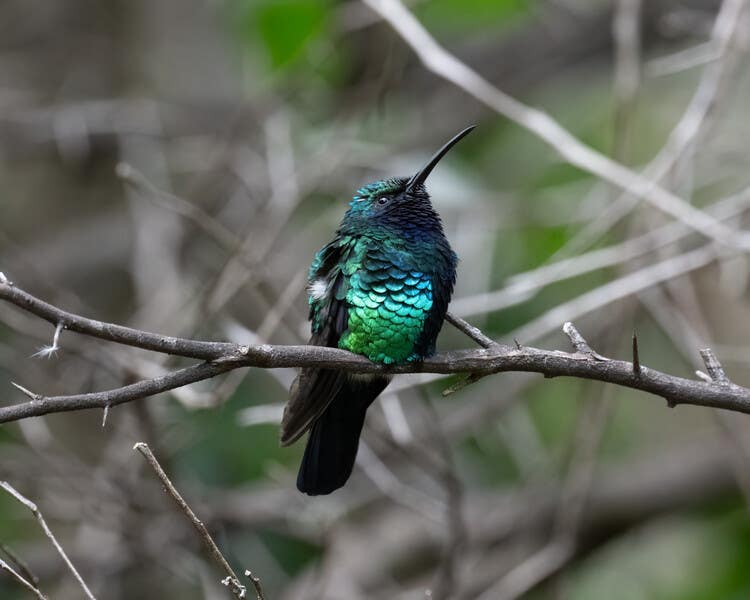
Santa Marta Sabrewing
Years Lost: 24
Year Found: 2022
Red List Status: Data Deficient
The Santa Marta Sabrewing is one of four hummingbirds endemic to the isolated Santa Marta Mountains of northern Colombia. This species was rediscovered in 2022 by an experienced local birdwatcher. It was only the second time the species had had a documented sighting since it was first collected in 1946. Photo by Carole Turek.
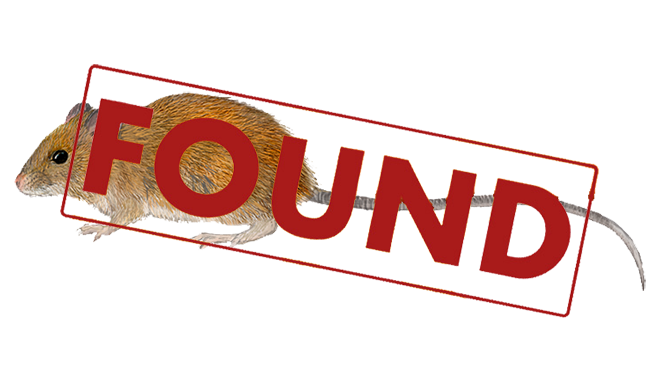
Seram Long-tailed Melomys
Years Lost: 103
Year Found: 2022
Red List Status: Data Deficient
In 2022, researchers rediscovered the Seram Long-tailed Melomys (Melomys fulgens) more than a century after scientists last recorded the species. Surveys found the rodent in low-elevation coastal forest across Seram, Indonesia, suggesting it may be relatively widespread and raising hope for the island’s other lost small mammals.
Before its rediscovery, the Seram Long-tailed Melomys was known from just two individuals collected when the species was first described in 1920 near Teloeti Bay on Seram’s southern coast. Also known as the Seram Long-tailed Mosaic-tailed Rat or Red Tree Rat, the species remains poorly understood but is thought to be arboreal. No targeted surveys took place for nearly a century, until researchers learned in 2017 that local people on Seram still knew the animal—a clue that ultimately helped reveal that the species had been there all along.
Explore More About Lost Species
Continue your journey to learn how lost species are found, why they disappear, and the full scope of our search efforts.