The Sound We Choose

Reuniting with sounds of the wild to heal ourselves – and the planet.

Sign Up to Hear More
According to Harvard Medicine, music doesn't just move us.

It lights up nearly every corner of the brain.

It stirs memory, taps into emotion, sparks joy, fuels motivation,
and even activates the body's own rhythm.

But music didn't start with us.

The wild had a soundtrack long before we did.

Such as rain falling on dry earth.

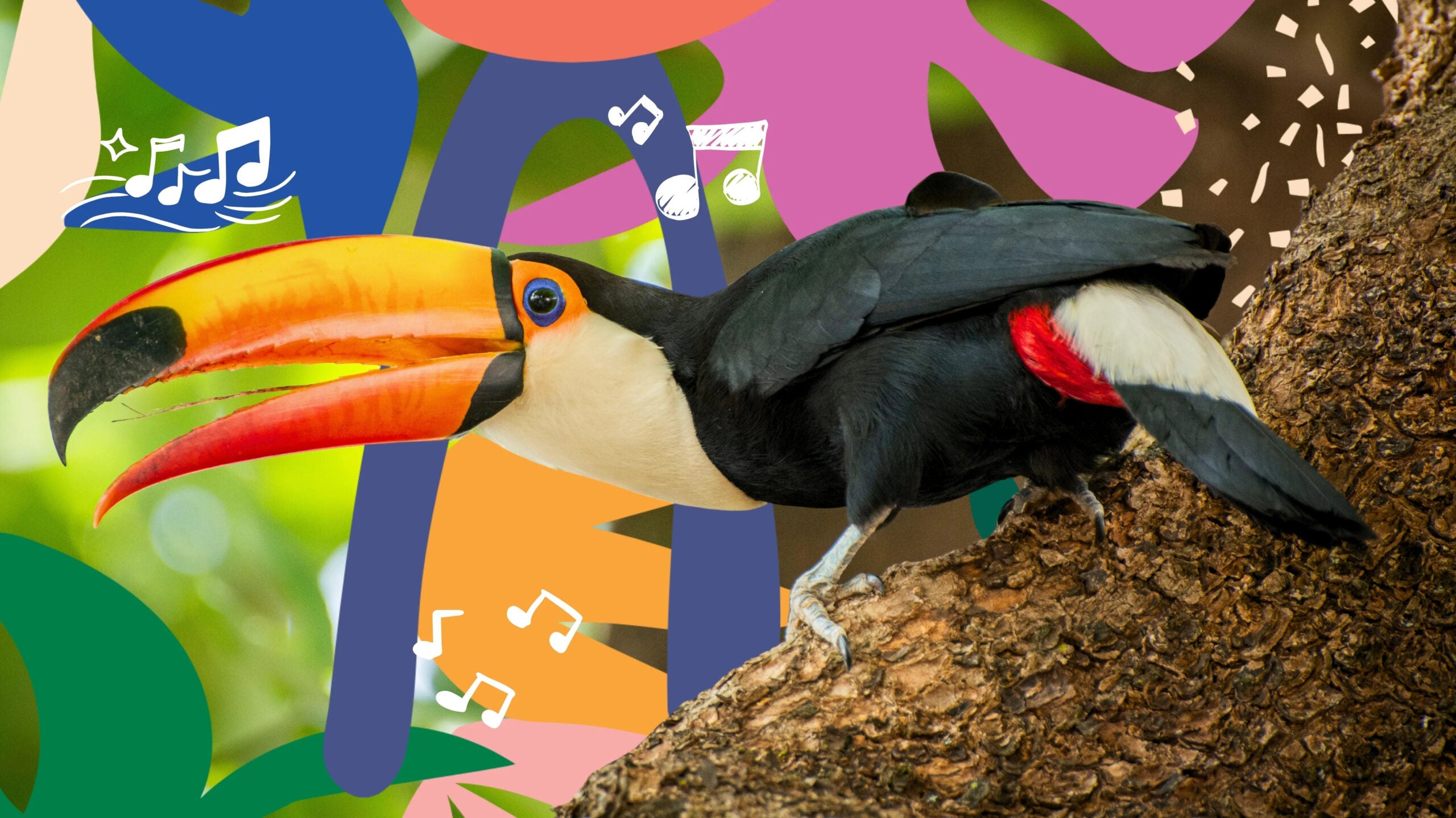
Or birdsong through a canopy.

These natural soundscapes do something similar to music.

Researchers have found they lower cortisol, slow the heart, and settle the nervous system in ways that screens and silence both fail to do.

But the wild is going quiet.

When ecosystems disappear, their acoustic signatures—the frogs, the insects, the particular way wind moves through old-growth forest—go with them. We're losing sounds no one has ever recorded and once they're gone, they're gone.

Your planet is calling. Will you listen?

We built a way to answer.

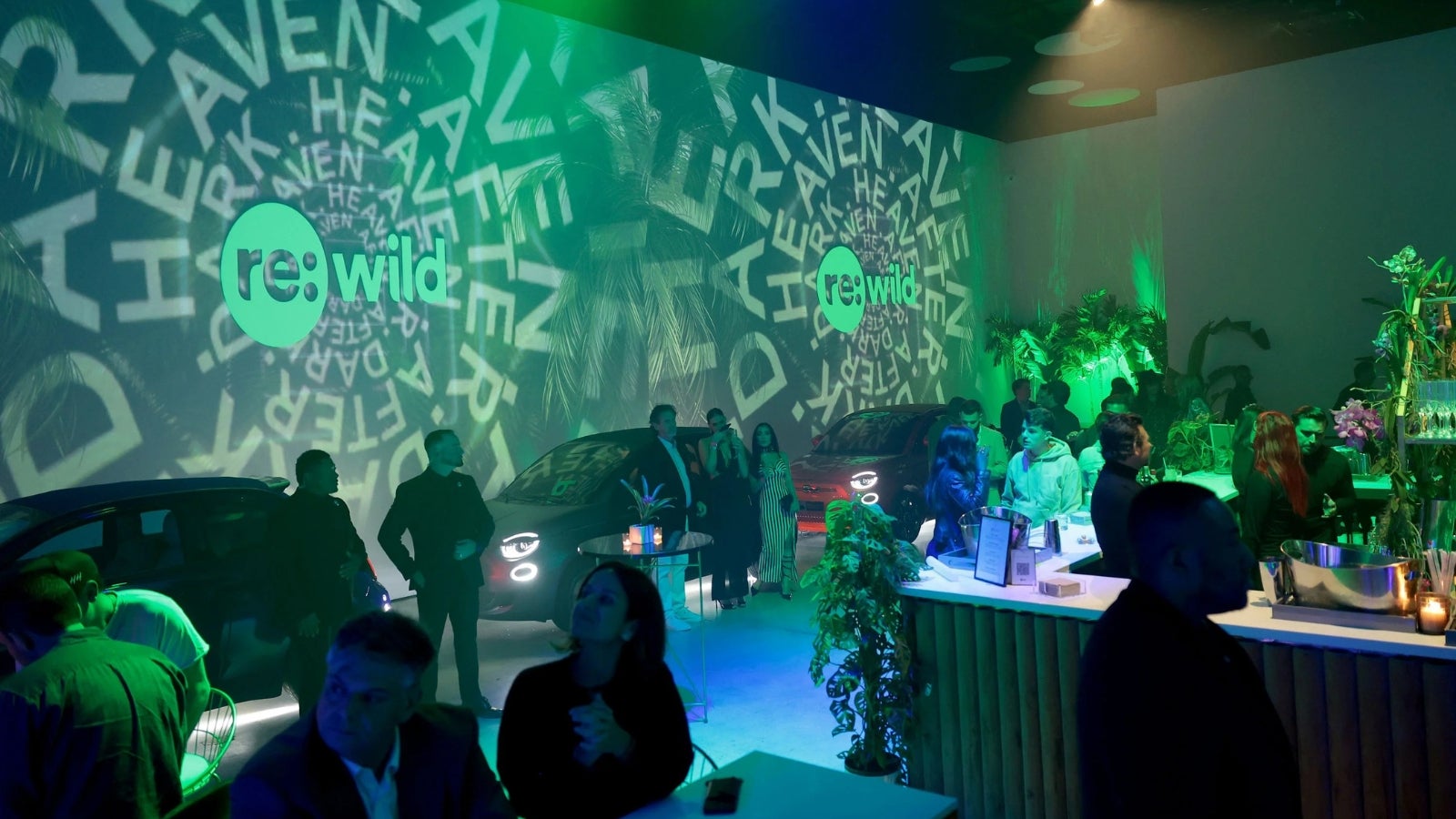
The Sound We Choose is an immersive installation from Re:wild that turns the simple act of listening into a force for conservation.

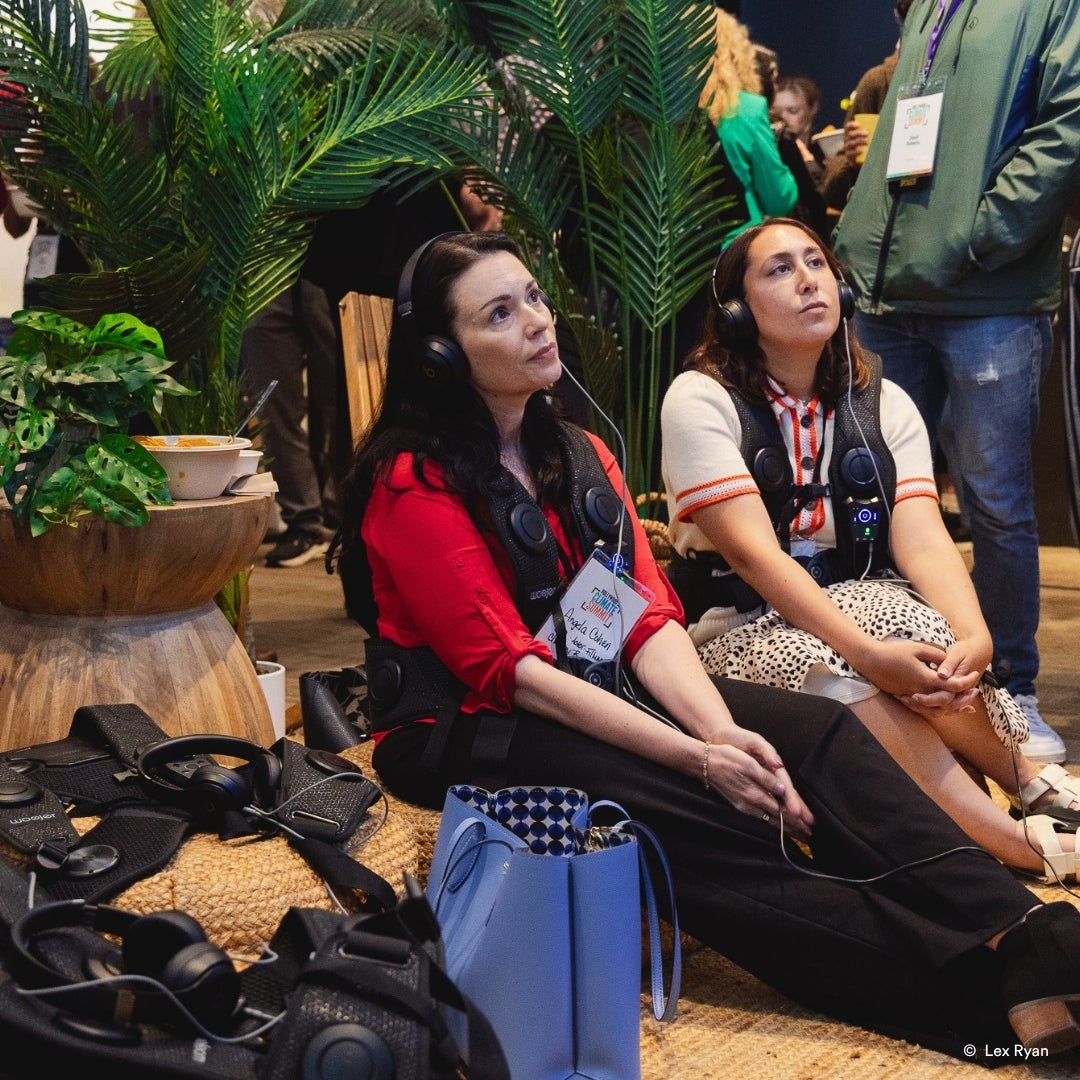
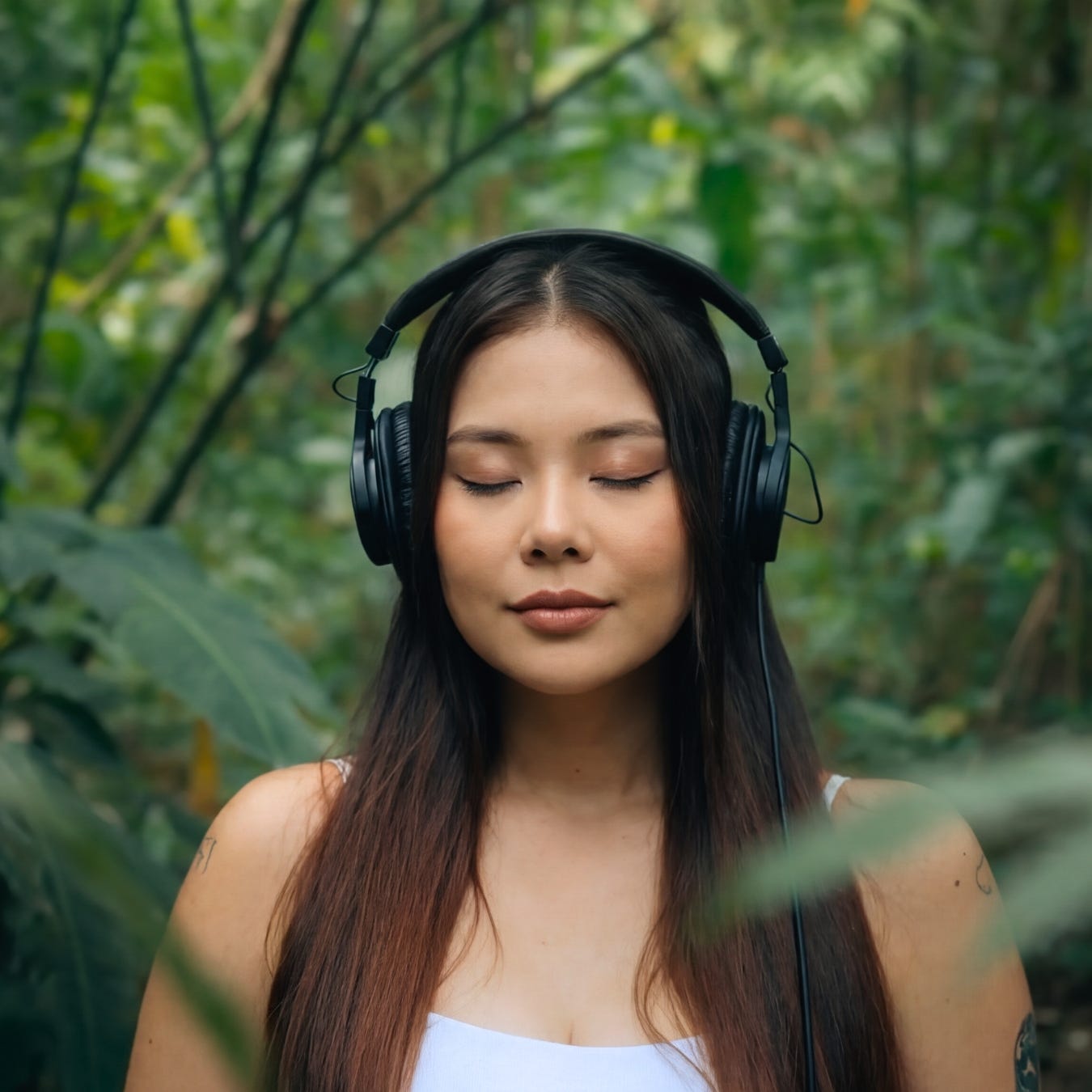
In a five-minute journey, you'll travel from the noise of the city into the living sounds of wild ecosystems around the world, powered by real field recordings. It's not something you just hear. It's something you feel, with the help of Beats by Dre headphones and haptic vests to enhance the experience.

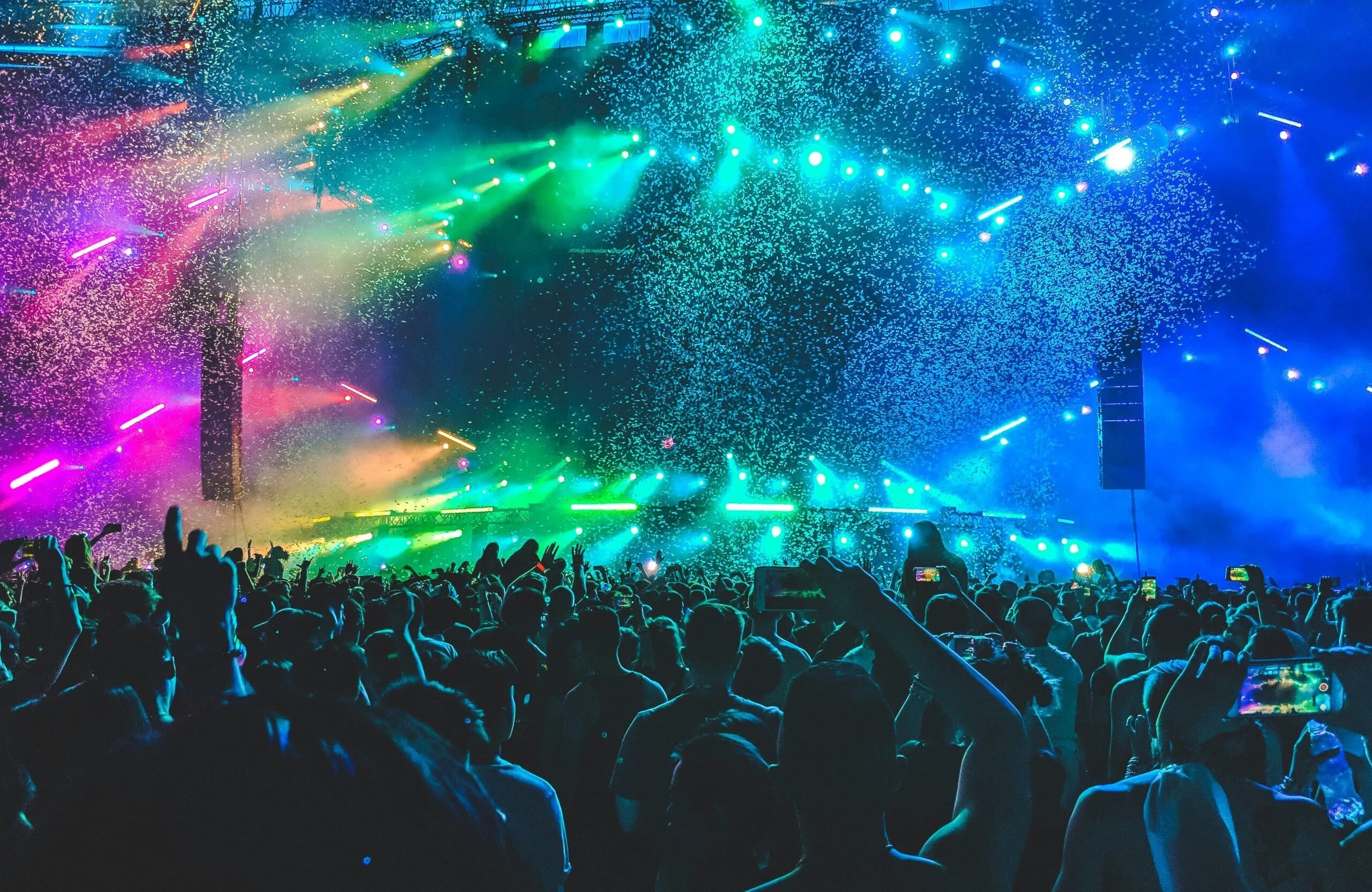
Built in partnership with Costaphonics, the “Sound We Choose” activation turns the festival experience into a force for protecting the wild—and opens a door for artists who want their music to do the same.

Why does sound matter to conservation?

Bioacoustics, the study of sound in living ecosystems, is one of the most powerful tools conservationists have. A healthy ecosystem is a loud one. And just by listening, researchers can do things that would otherwise take months of ground surveys.
  • white circle

    Measure Biodiversity

    Sound density and variety reveal how many species are present and how healthy their populations are — no visual survey required.

  • white circle

    Track Recovery

    A recovering forest's dawn chorus sounds different from a degraded one. A reef coming back hums differently from one that isn't. Sound charts the comeback in real time.

  • white circle

    Detect Threats Early

    Changes in an ecosystem's acoustic signature often surface before visible signs of decline, giving conservationists an early warning system.

  • white circle

    Preserve What's Disappearing

    When a species disappears, its sound goes with it. Recording these soundscapes captures a record of life that might otherwise be lost entirely.

Where to find us

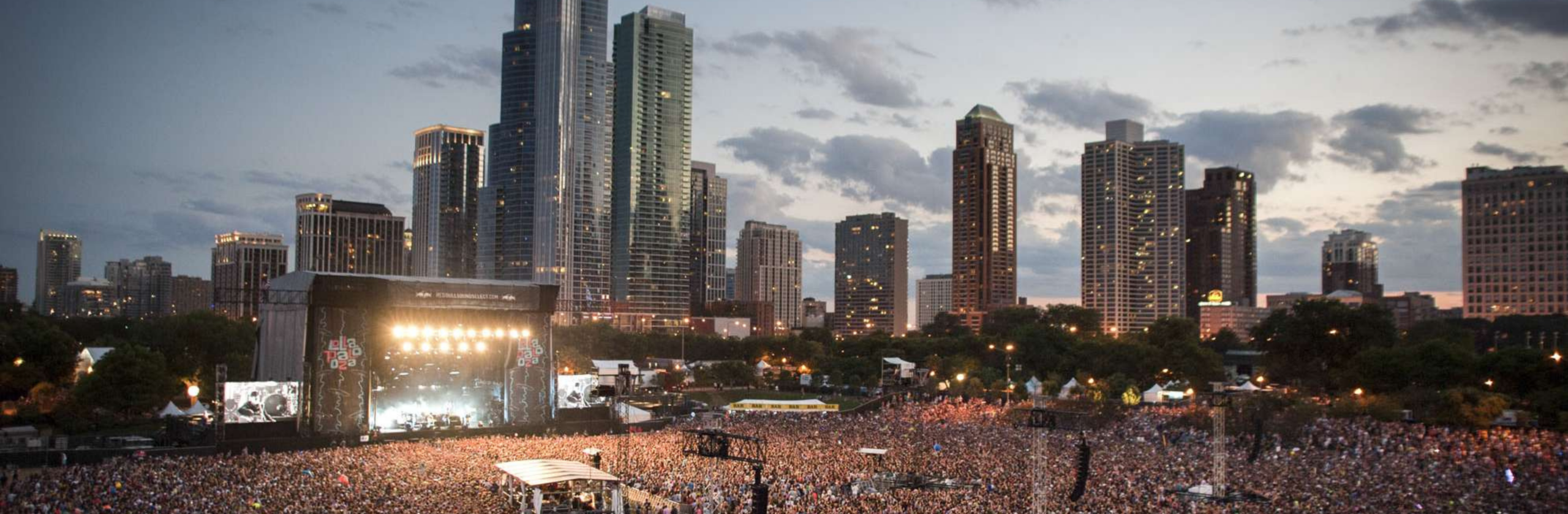
We're headed to Lollapalooza Chicago July 30th - August 2nd. Where will we go next? Sign up and be the first to know!

Stay in touch.

Get exclusive stories, behind-the-scenes updates, and ways to help—delivered to your inbox.

Donate for the wild.

Support real conservation impact—saving species, restoring ecosystems, and rewilding our world.

Donate