A single spring can be home to species that live nowhere else on Earth. For millions of people, the same water is what they drink and farm with. When a spring stops flowing, both are at risk.
That’s the risk facing many springs around the world, and it’s why experts from across the globe gathered at the University of Nevada, Reno’s Lake Tahoe campus last month to launch the Global Springs Alliance and set a four-year plan to find, assess, and protect the world’s most important springs.
“A single spring can be its own unique underwater world, home to an entire suite of species that exists nowhere else on the planet,” said Dr. Chouly Ou, freshwater fish program manager at Re:wild and workshop co-organizer. “We want to find and protect these places before they disappear, and support the people whose water, livelihoods, and cultural traditions depend on them.”

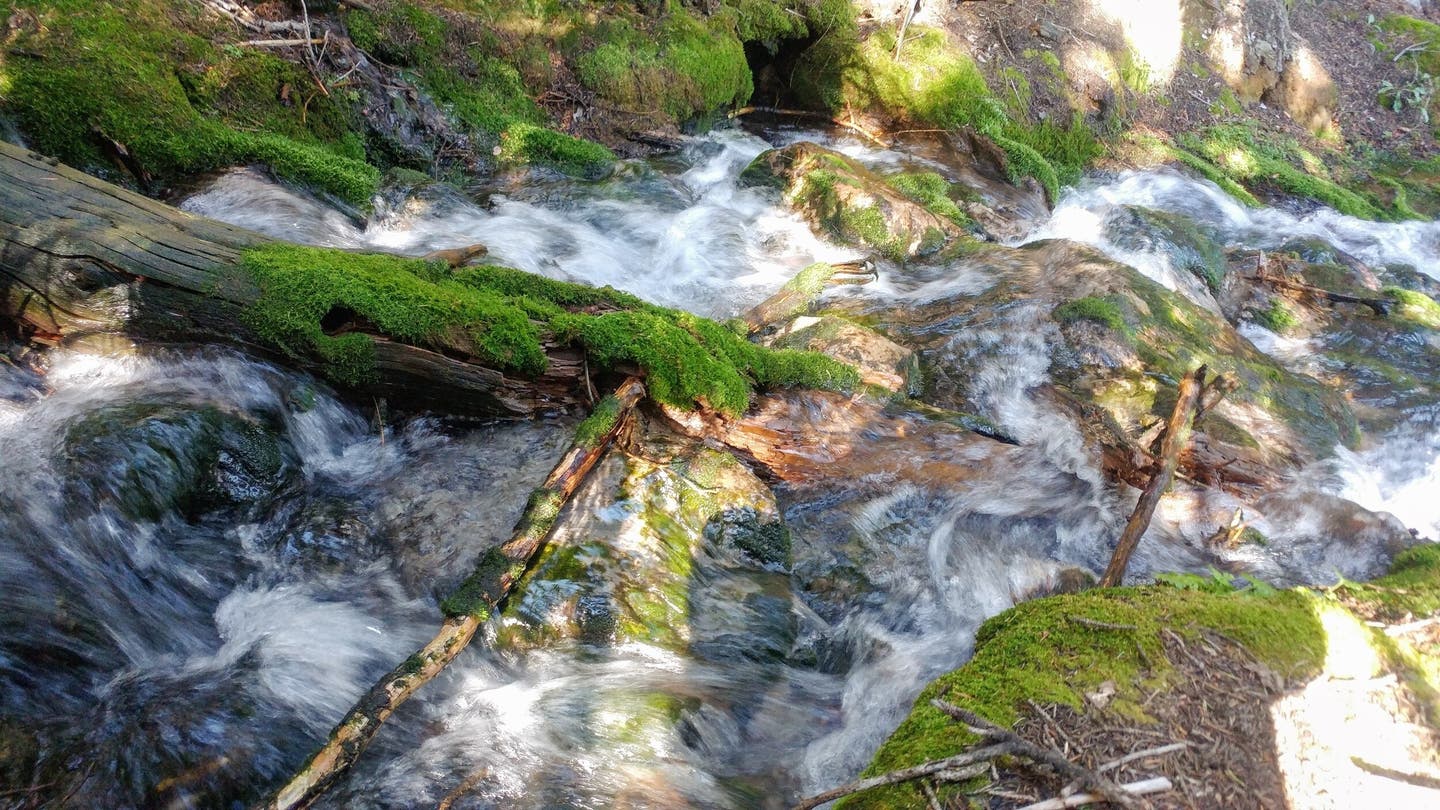
Spring-fed water spills through a hidden side canyon, sustaining ferns and mosses in the heart of the desert.
© SSI
Why springs are special
Springs are places where groundwater rises to the surface. In dry regions, springs are small pools surrounded by desert, like islands . Over thousands of years, the fish, snails, insects and plants living in them have evolved into species found nowhere else.
Ash Meadows National Wildlife Refuge in southern Nevada is home to 26 species found nowhere else on Earth, including rare fish, tiny snails, and a water insect that hunts its prey underwater. Inside the refuge, Devils Hole is a water-filled cave and the only natural home of the Devils Hole Pupfish, whose entire wild population relies on one shallow ledge under the water. Elsewhere in southern Nevada, the warm springs of the Moapa Valley are the only native home of another fish species known as the Moapa Dace.

In arid canyon country, springs supply the water that sustains this frog’s habitat.
© James Franklin
It’s a worldwide story, and it includes us too
Springs show up everywhere, from cold mountain seeps to hot pools deep in the rock. They supply water for drinking, farming, and livestock, feed rivers, and support recreation and tourism. In the Indian Himalaya, springs are a main source of water for millions of people and their livestock. For many Indigenous peoples and local communities, they are also sacred places tied to cultural traditions and ancestral lands.

Spring-fed waters run clear and turquoise through a desert canyon, creating a refuge for native fish and wildlife.
© SSI
What’s threatening them
A 2021 review of more than 250,000 springs in 78 countries found widespread damage, with more than 90% impaired in some developed regions. It also found that many springs have never been mapped or studied, so no one knows what lives in them. The biggest threats include:
- Pumping too much groundwater
- Diverting water elsewhere
- Pollution
- Invasive species
- Land development
- Climate change
When a species lives in just one spring, a local problem can mean the species is gone from the planet. California’s Tecopa Pupfish has already disappeared after its hot-spring home was altered.
“A tiny spring snail or an insect most people have never heard of can be just as irreplaceable as a rare fish,” said Dr. Michi Tobler, a researcher specializing in spring fishes. “We need to identify these species while there is still time to act.”

A threatened butterfly that is entirely dependent on springs. Its caterpillars depend on the northern bog violet, a plant that itself grows only at springs.
© David Martin
Four places to start
The Alliance will bring together existing knowledge and data, and work with government agencies and local partners. The Task Force has a four-year plan to count springs, study what lives in them and what threatens them, set priorities, and share practical guidance. The group’s first four priorities are:
- Find the irreplaceable springs, especially those with rare species facing urgent threats.
- Assess what’s at risk by adding springs and their species to global threatened-species lists.
- Get priority sites recognized through international and national conservation programs.
- Turn recognition into real protection by safeguarding water flows, restoring habitat and working with communities.

A desert oasis of springs and pools that is home to more than 70 endemic species found nowhere else on Earth.
© SSI
The bottom line
“Springs may occupy very small areas on a map, but their conservation importance can be enormous,” said Zeb Hogan, research professor at the University of Nevada, Reno. “By bringing people working on these systems together, we hope to build a global community that can identify the most important springs, elevate them within international conservation frameworks, and turn that recognition into action.”
The first step is simply knowing what’s out there, including the tiny snails and insects that are easy to overlook, before they’re gone.
Learn more at globalspringsalliance.org.
Carrie has 20 years of marketing, brand and communications experience in the nonprofit and media sectors. She was an instrumental part of the team that helped launch the Re:wild brand in 2021, and develops campaigns and strategies that help build awareness about the importance of the wild as well as enlists the support of influencers and brands aligned with our mission to protect and restore it.