Wild Places
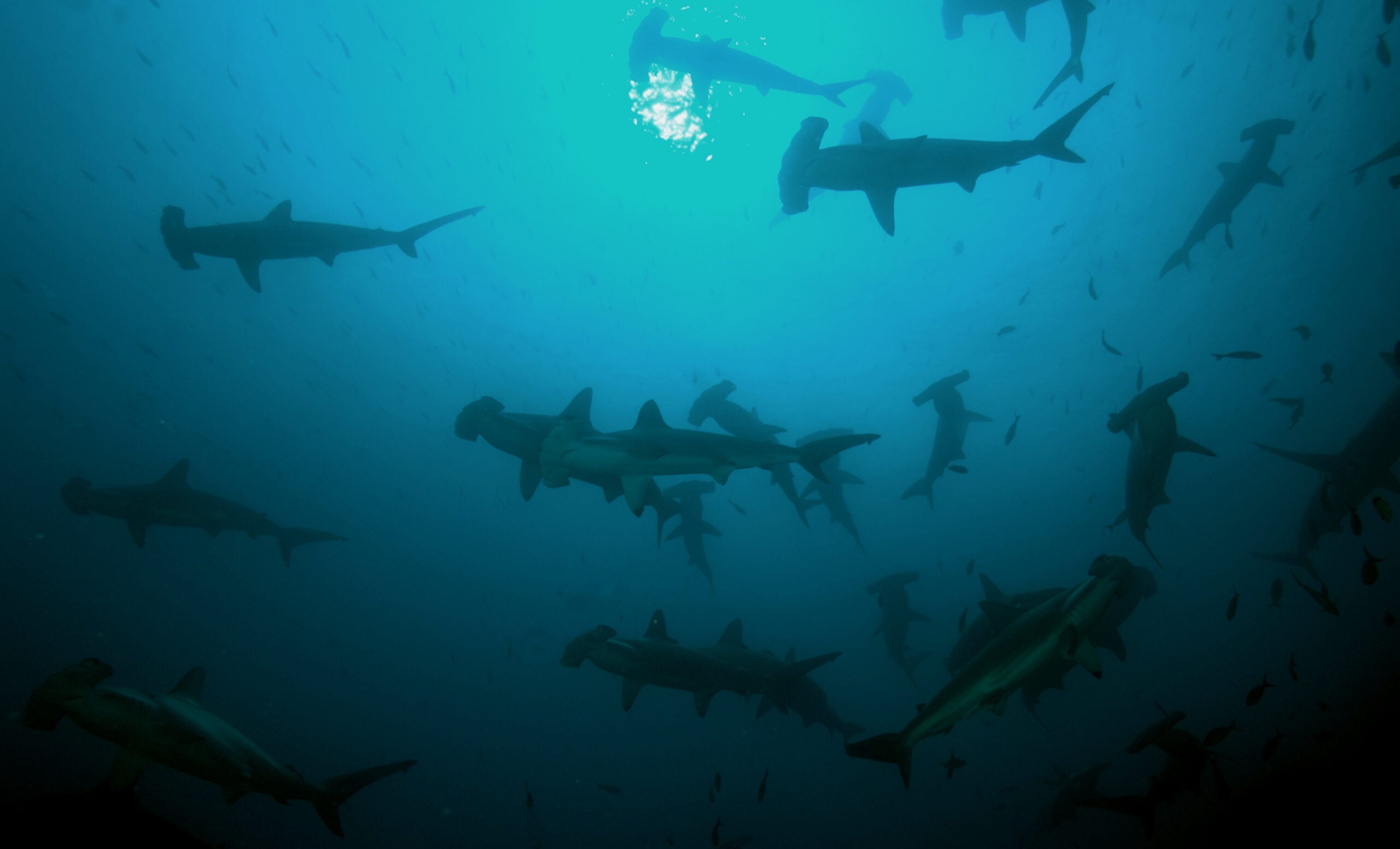
From the forests of Amazonia to the coral reefs of the Eastern Tropical Pacific, Re:wild protects the ecosystems and landscapes that make all other conservation possible. This is where strategies meet the ground, where partnerships become protection, and where the wild endures.
The forests, wetlands, rivers, and reefs of this planet aren't a backdrop.
The scale of what's being protected
590+ million
acres in active conservation with partners
197+ million
acres of new conservation areas being created
36,000 species
species benefited
90 countries
reached worldwide




Where we work
Explore where Re:wild and our partners are working — and why.
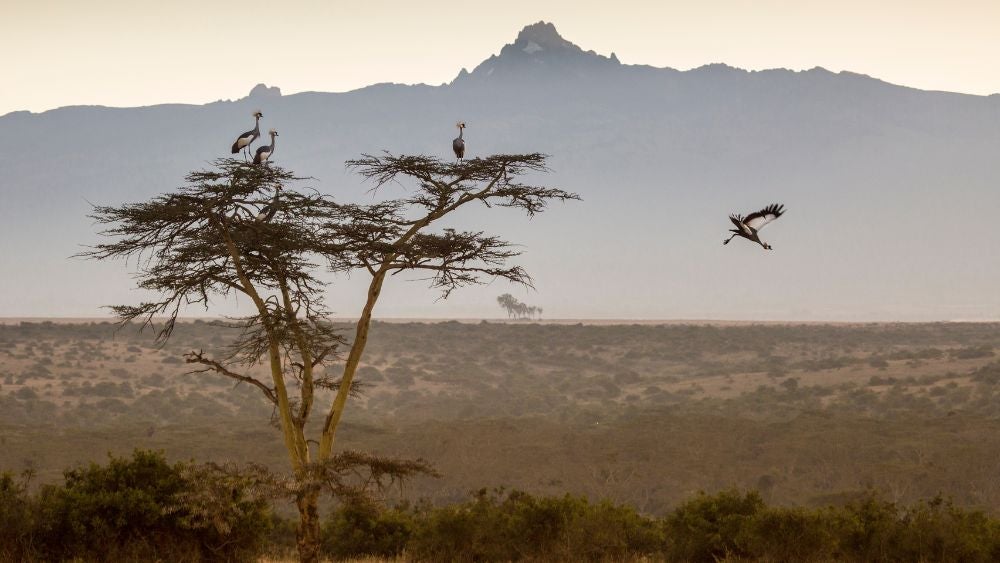
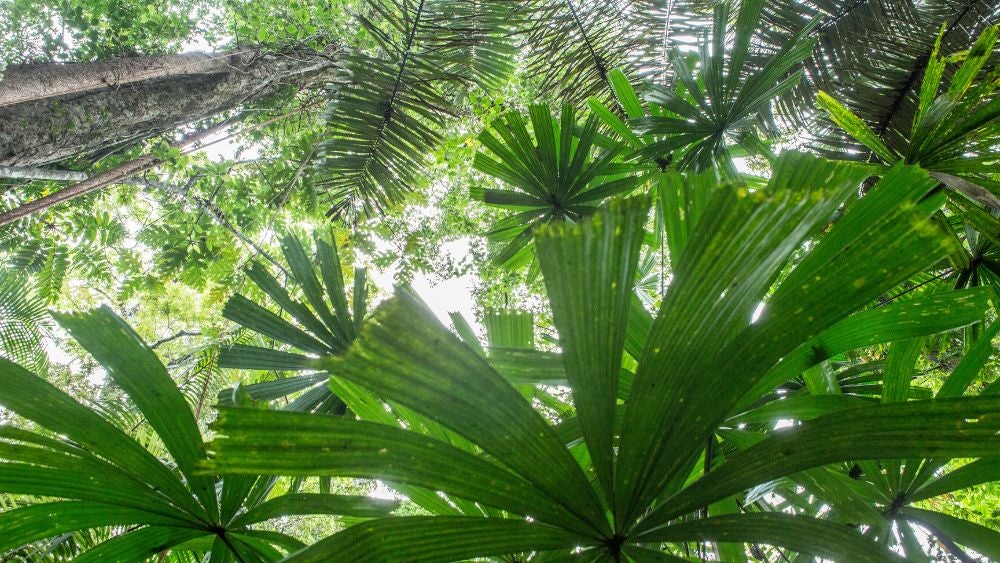
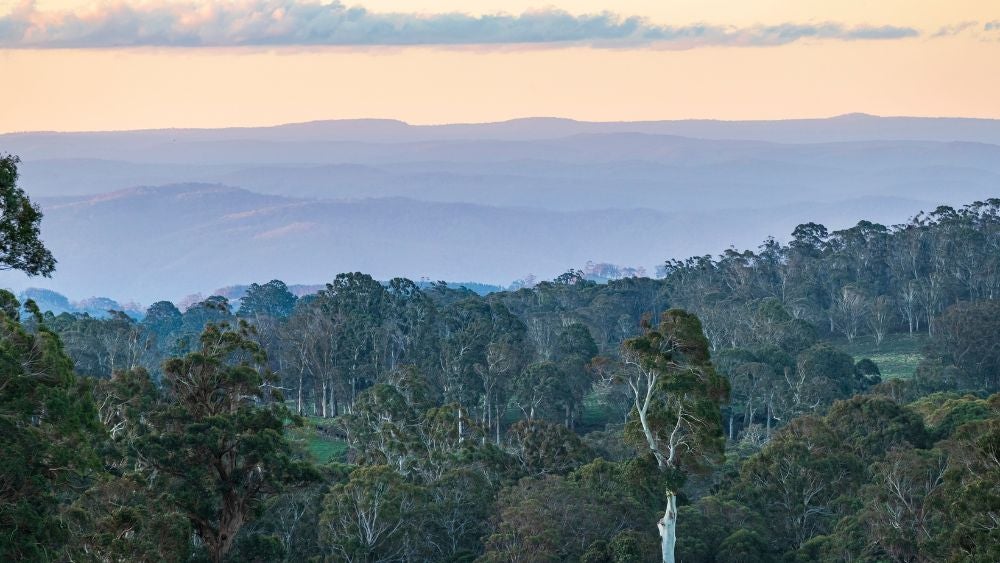
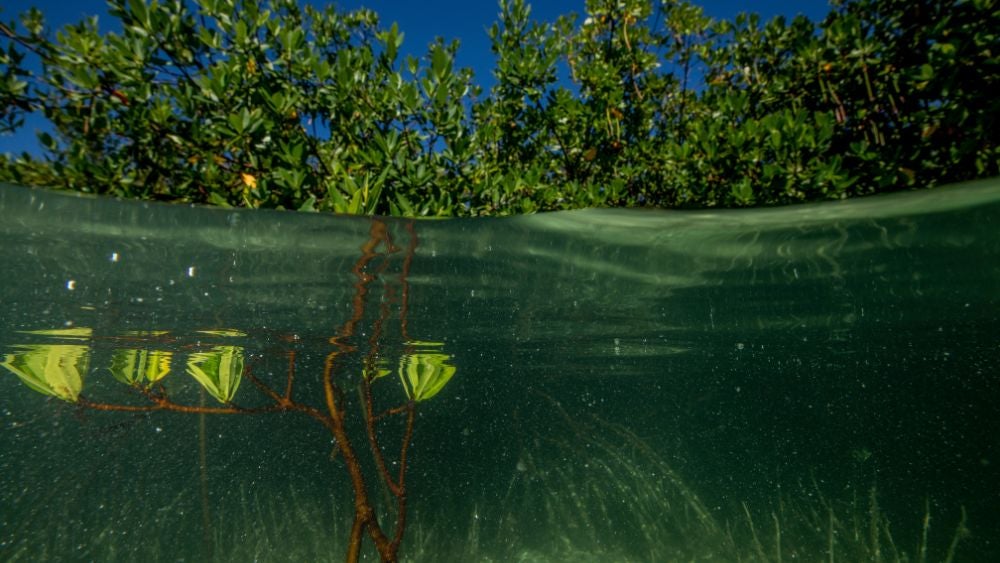
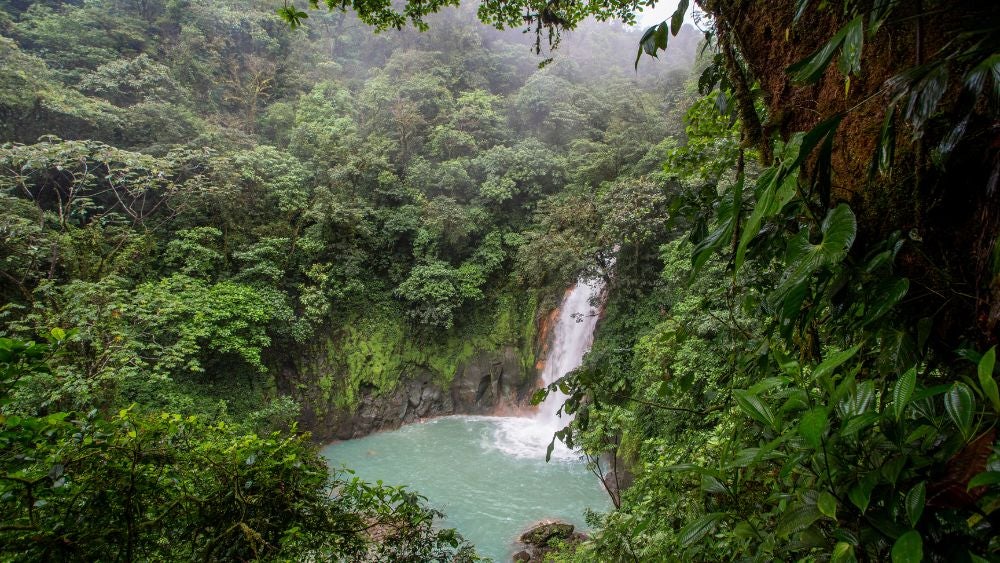
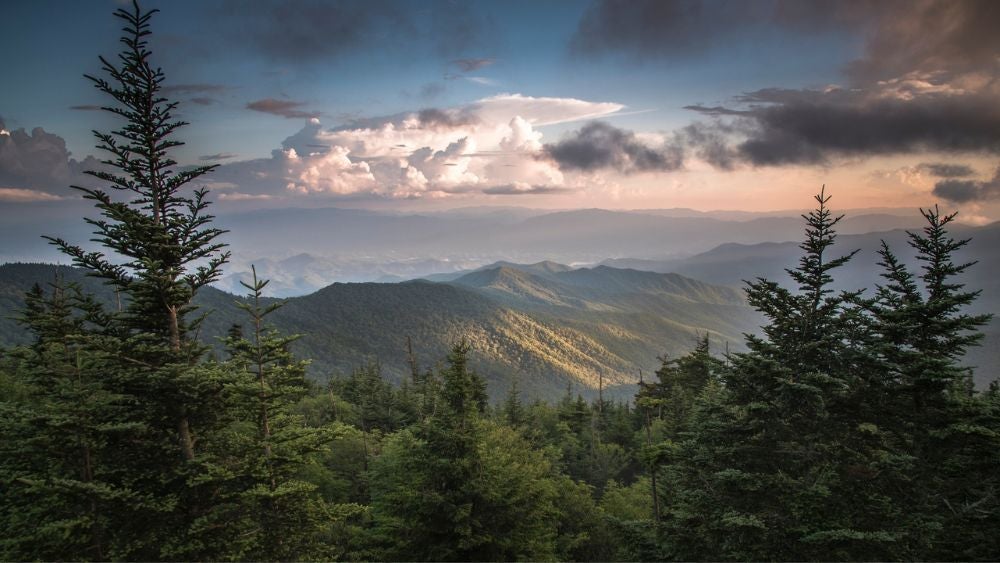
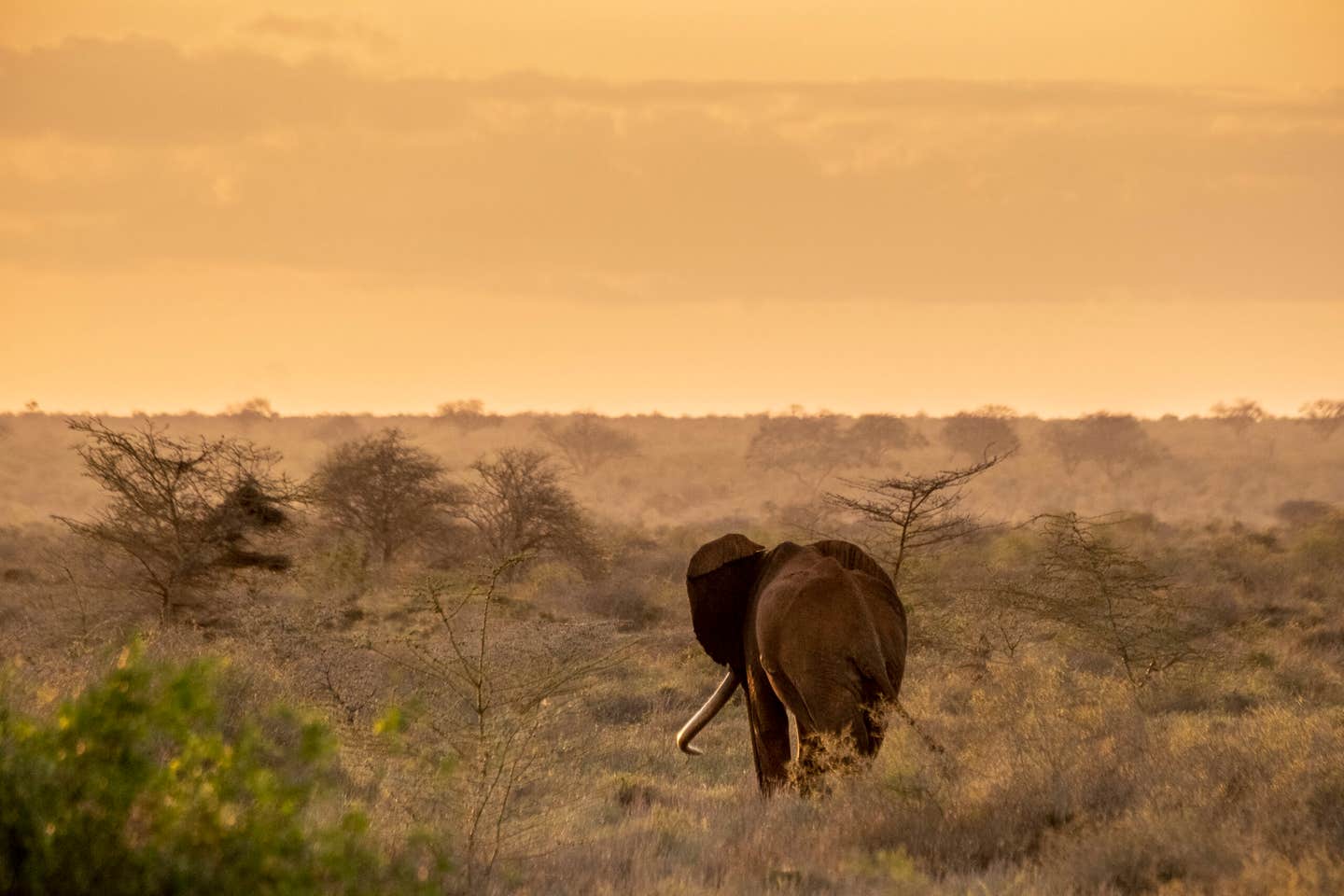
Conservation only works when it's strategic.
Re:wild brings four interconnected strategies to every wild place we work in.

Protected & Conserved Area Creation
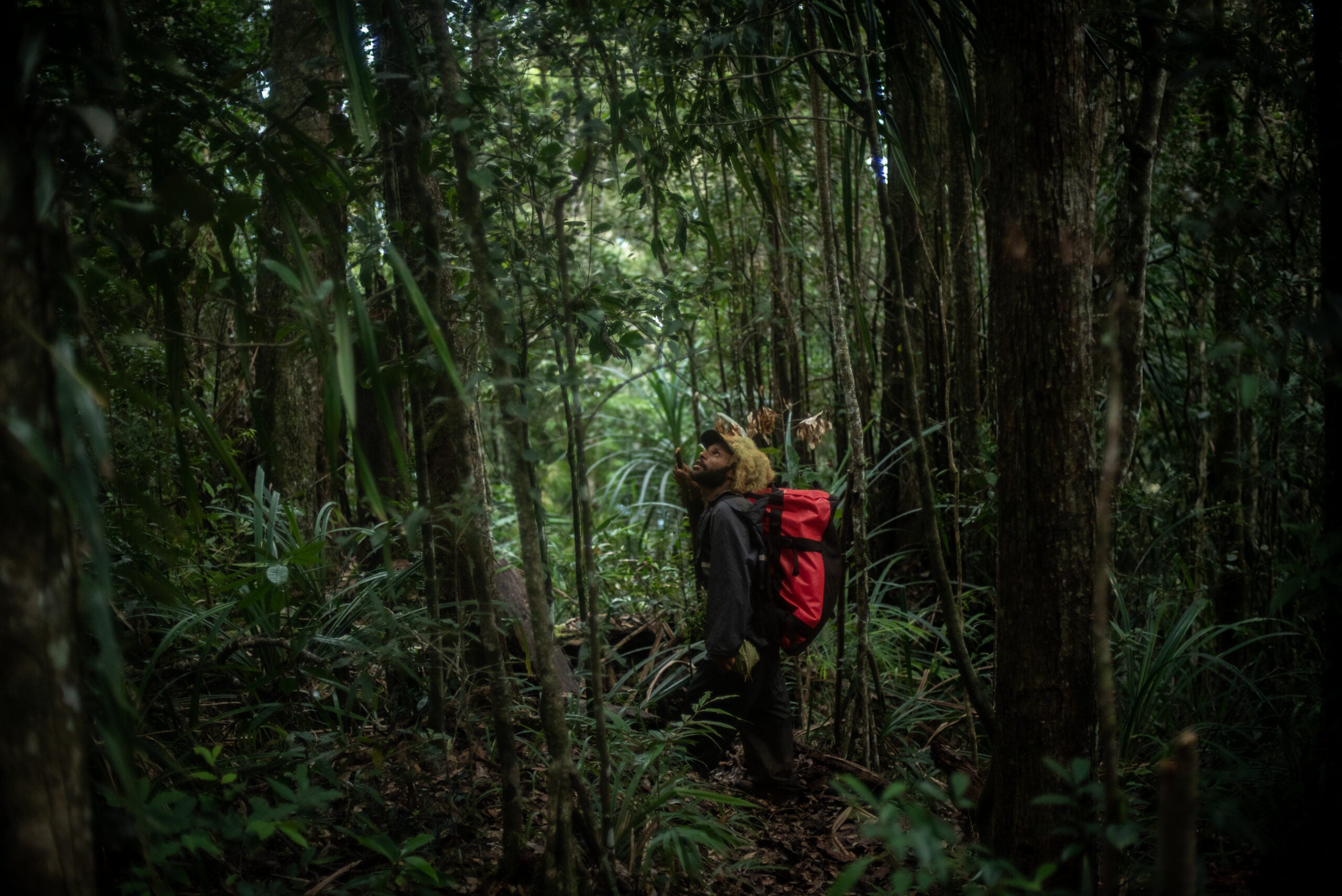
Working with governments and Indigenous Peoples to give the world's most critical landscapes and seascapes the legal protection they need to survive.
Protected & Conserved Area Management
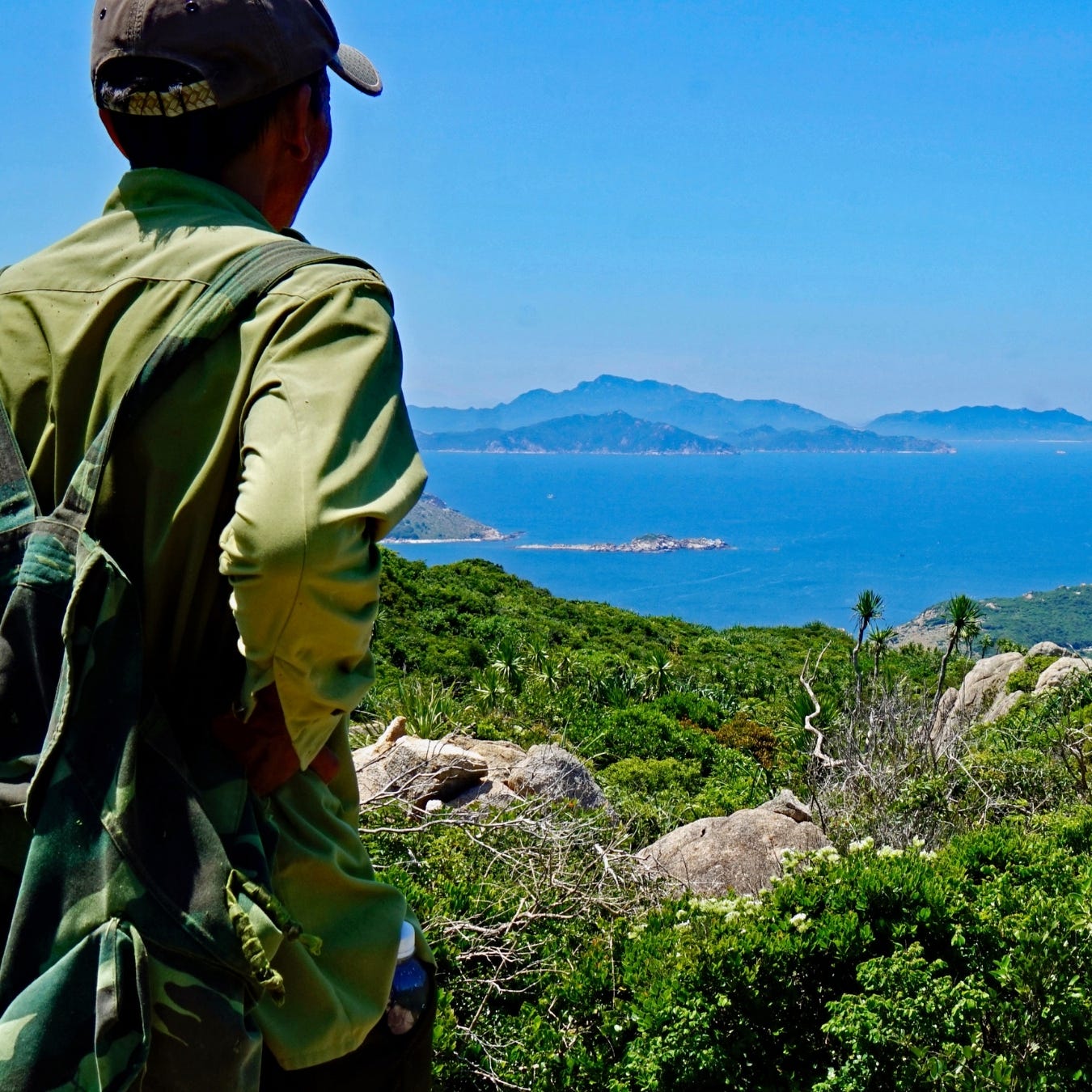
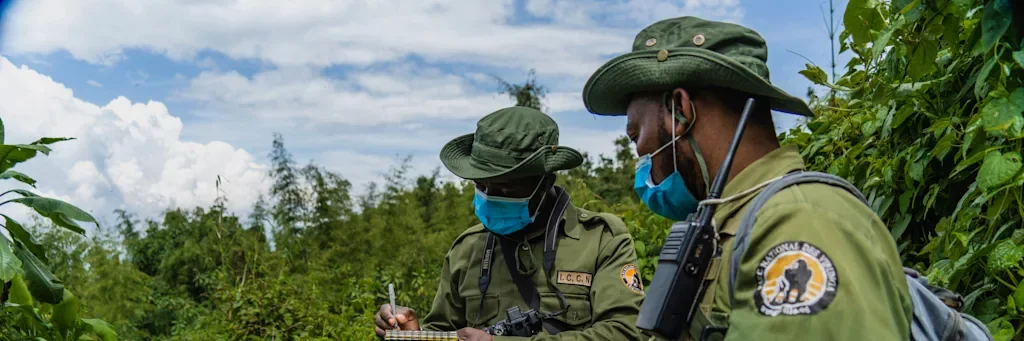
Because a protected area is only as good as what actually happens inside it — so we ensure parks, reserves, and Indigenous territories are effectively governed, staffed, and defended.
Wildlife Crime Prevention
Stopping the poaching, trafficking, and illegal logging that devastate wild places even after they've been formally protected.
Restoration and Rewilding
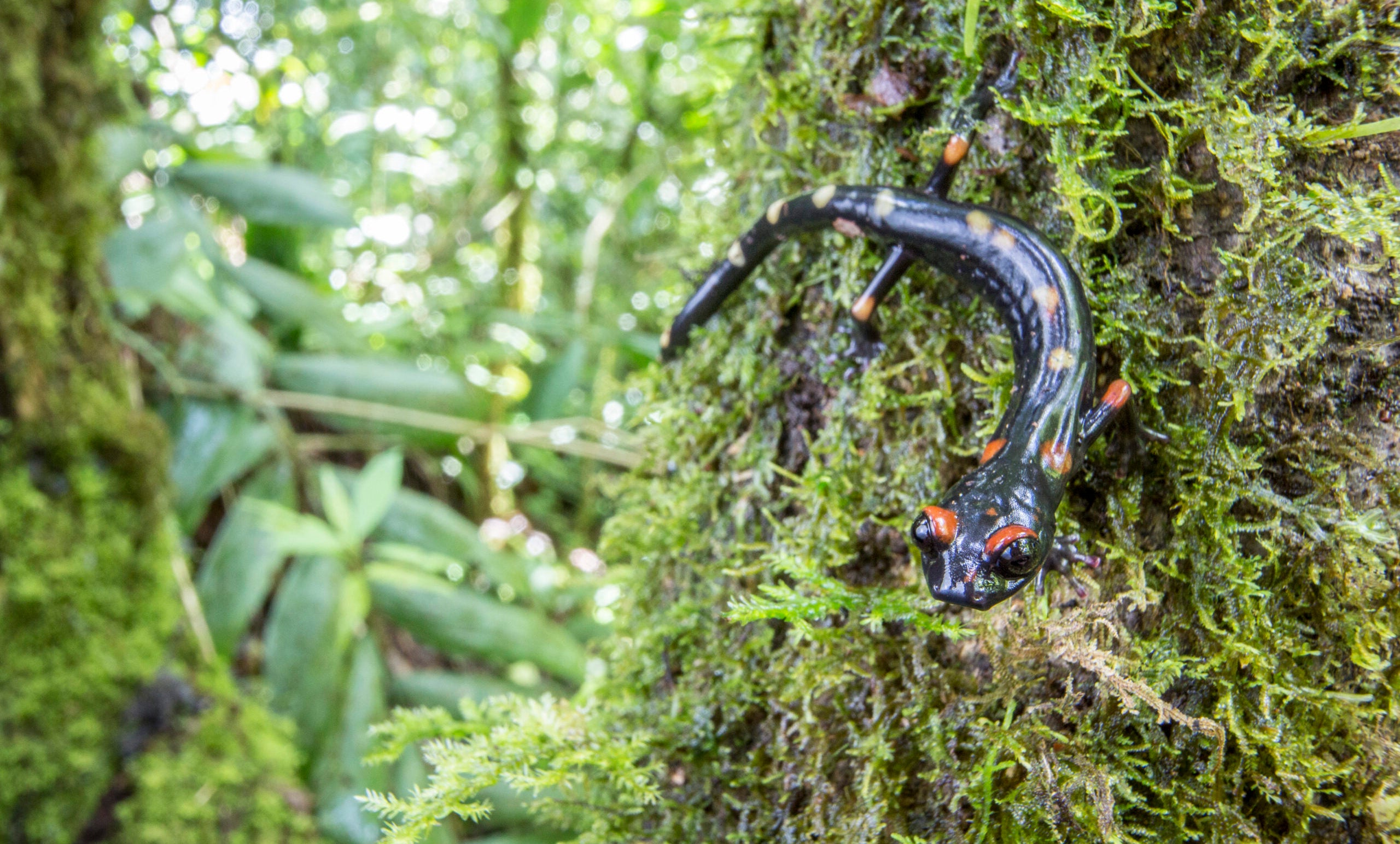
Bringing damaged ecosystems back to life — replanting forests, removing invasive species, and reintroducing the animals that make landscapes function.