What We Do
Re:wild protects wildlife, restores wild places, and supports the people defending both. Here is how and where that work happens.
This is what conservation looks like at scale.
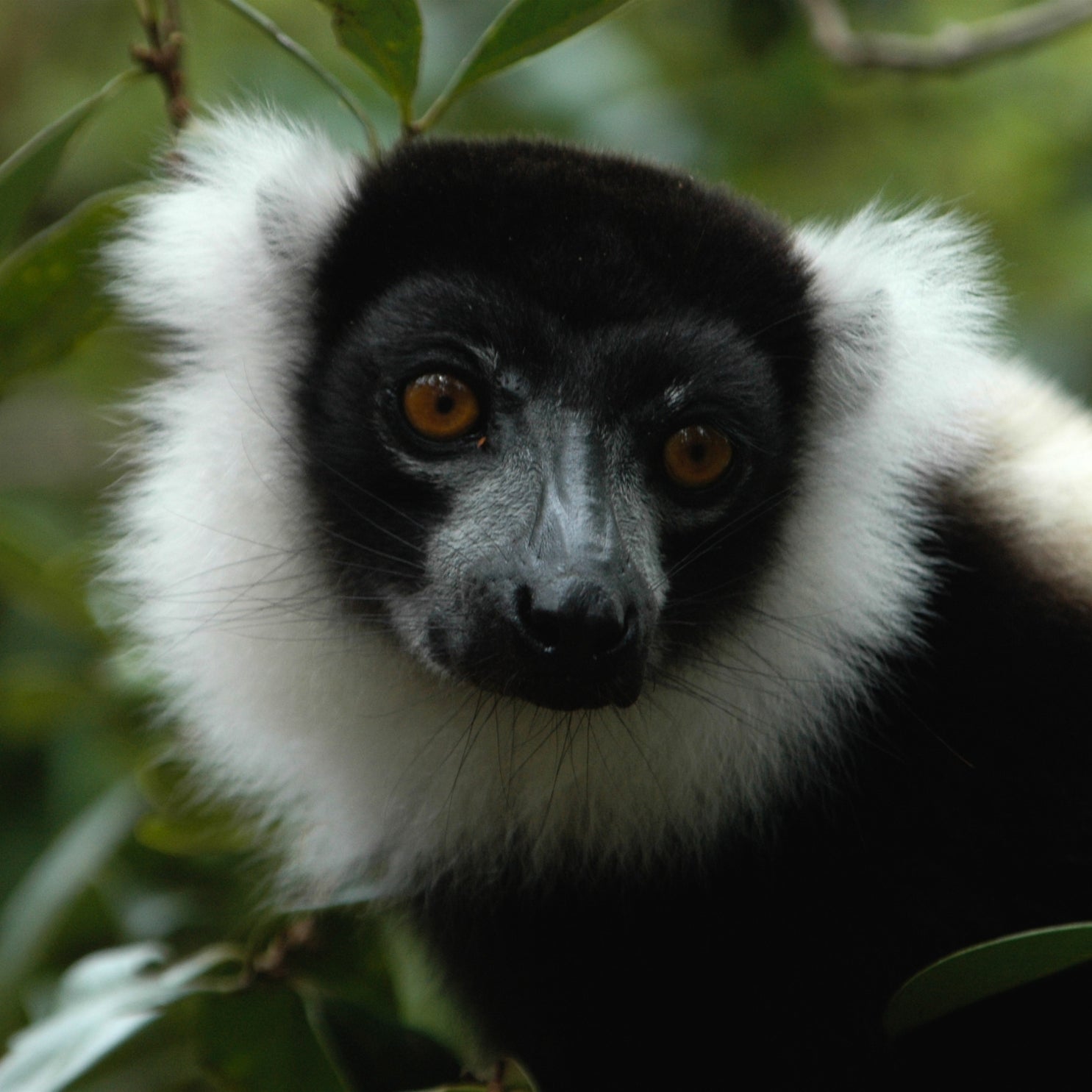
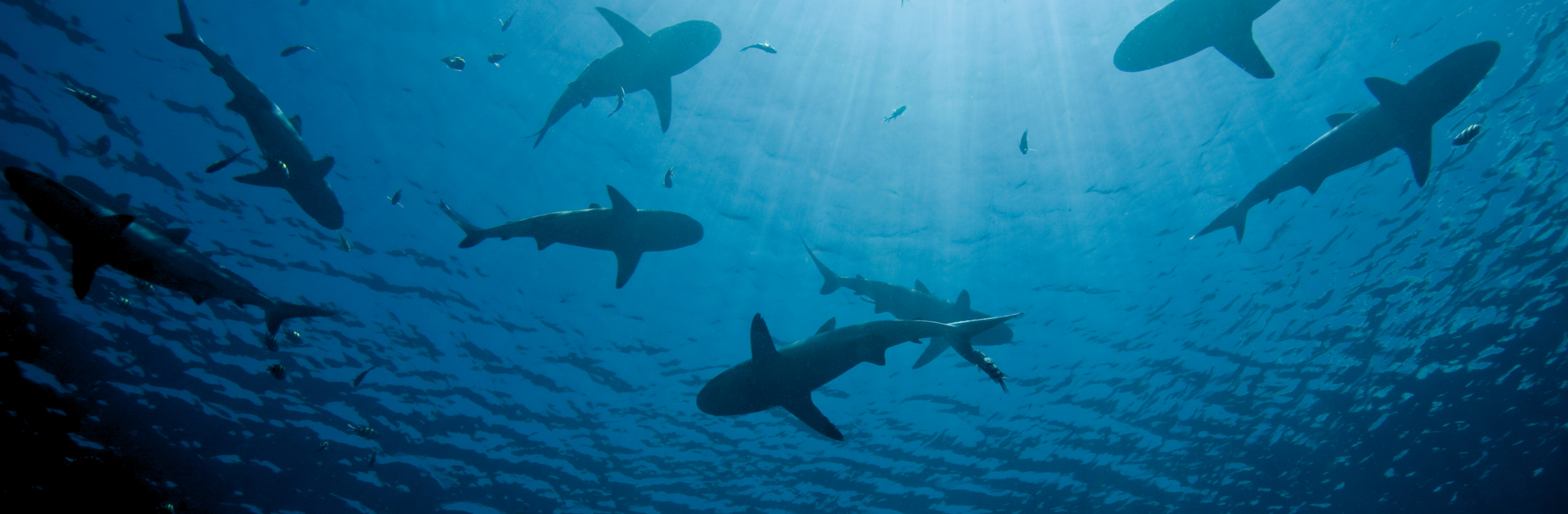
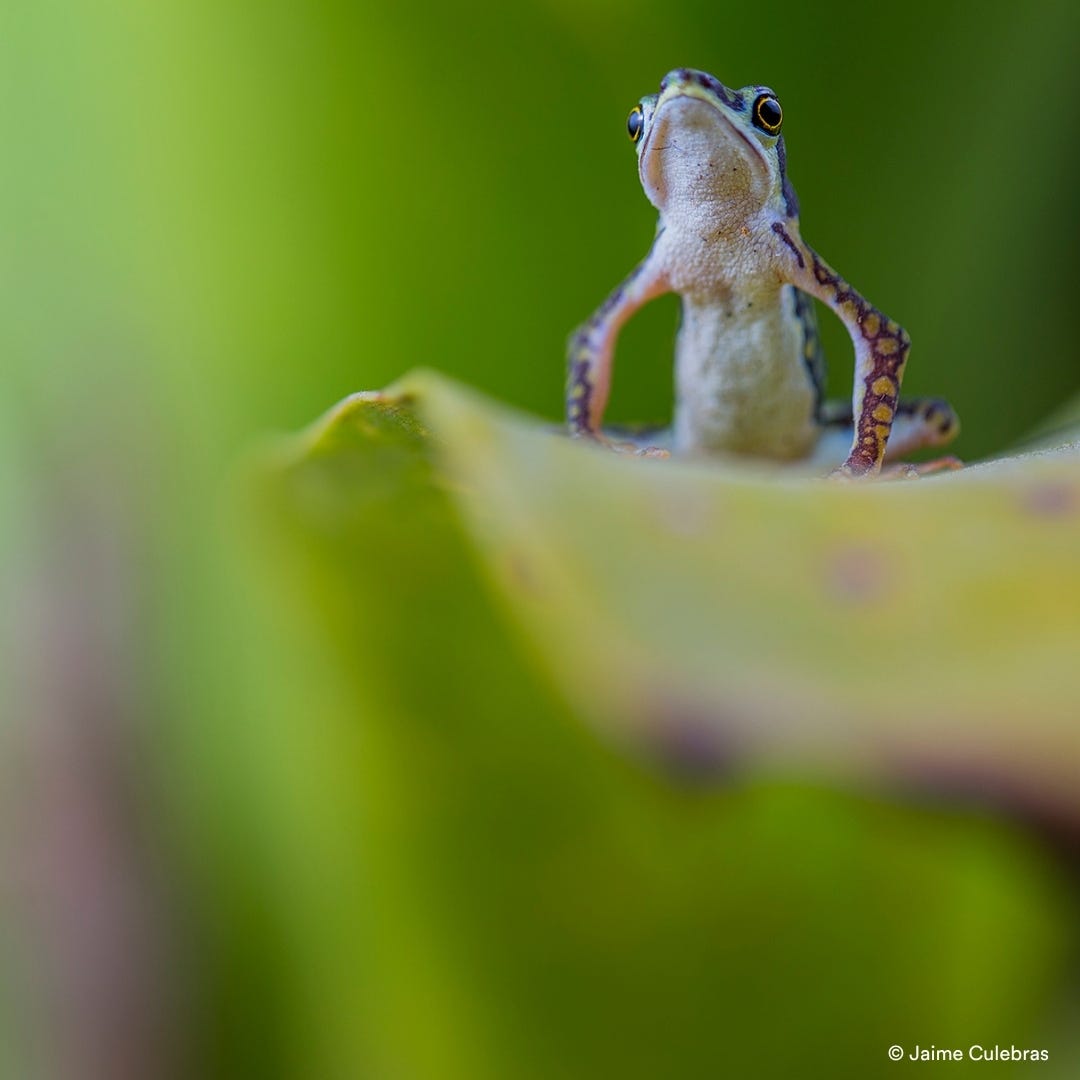
Wildlife
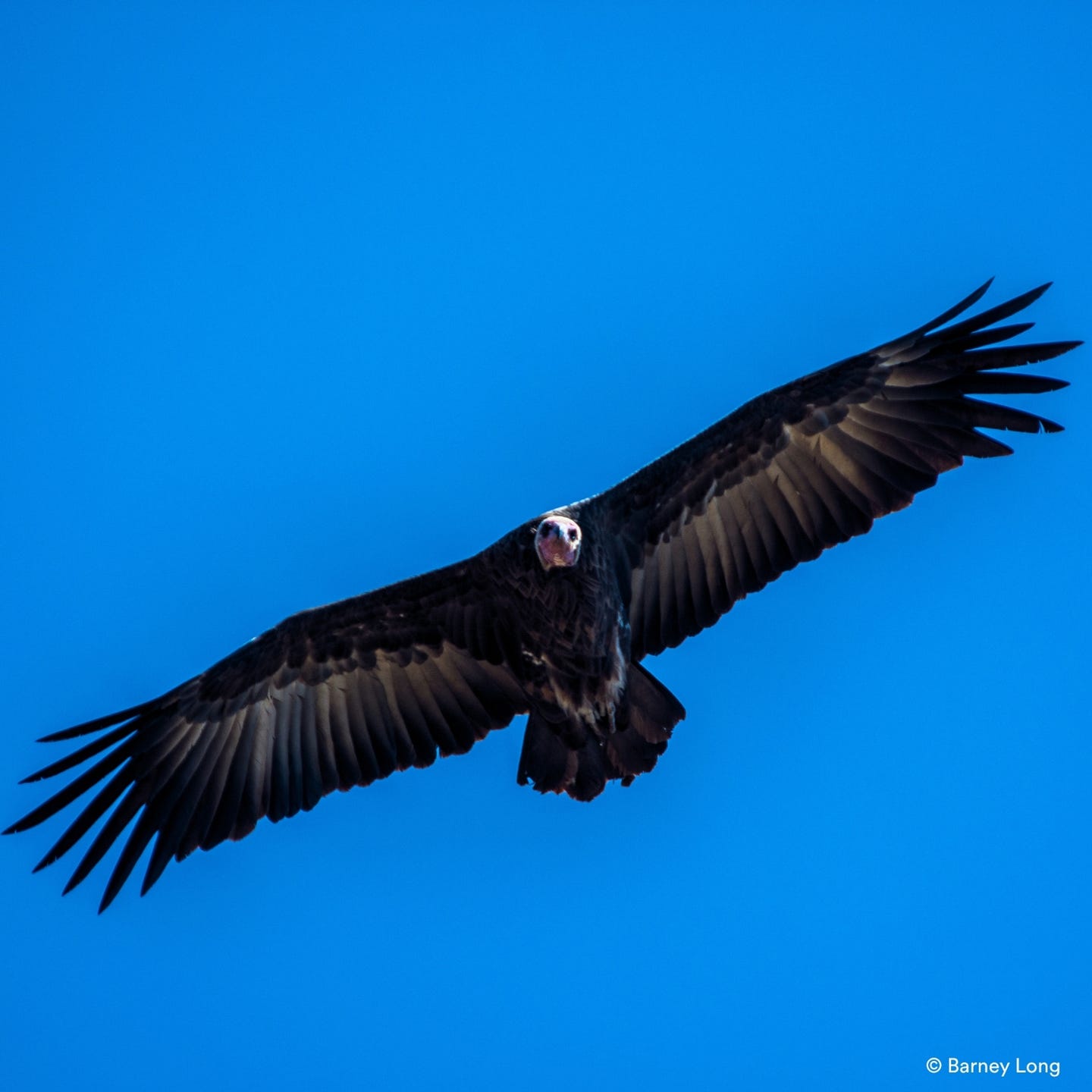
Some of the species Re:wild works to protect are Critically Endangered. Some have not been seen by scientists in decades. Re:wild and partners are actively conserving 276 threatened species, working toward 500 by 2030 — through conservation breeding, translocation, habitat management, and the Search for Lost Species.
Explore Wildlife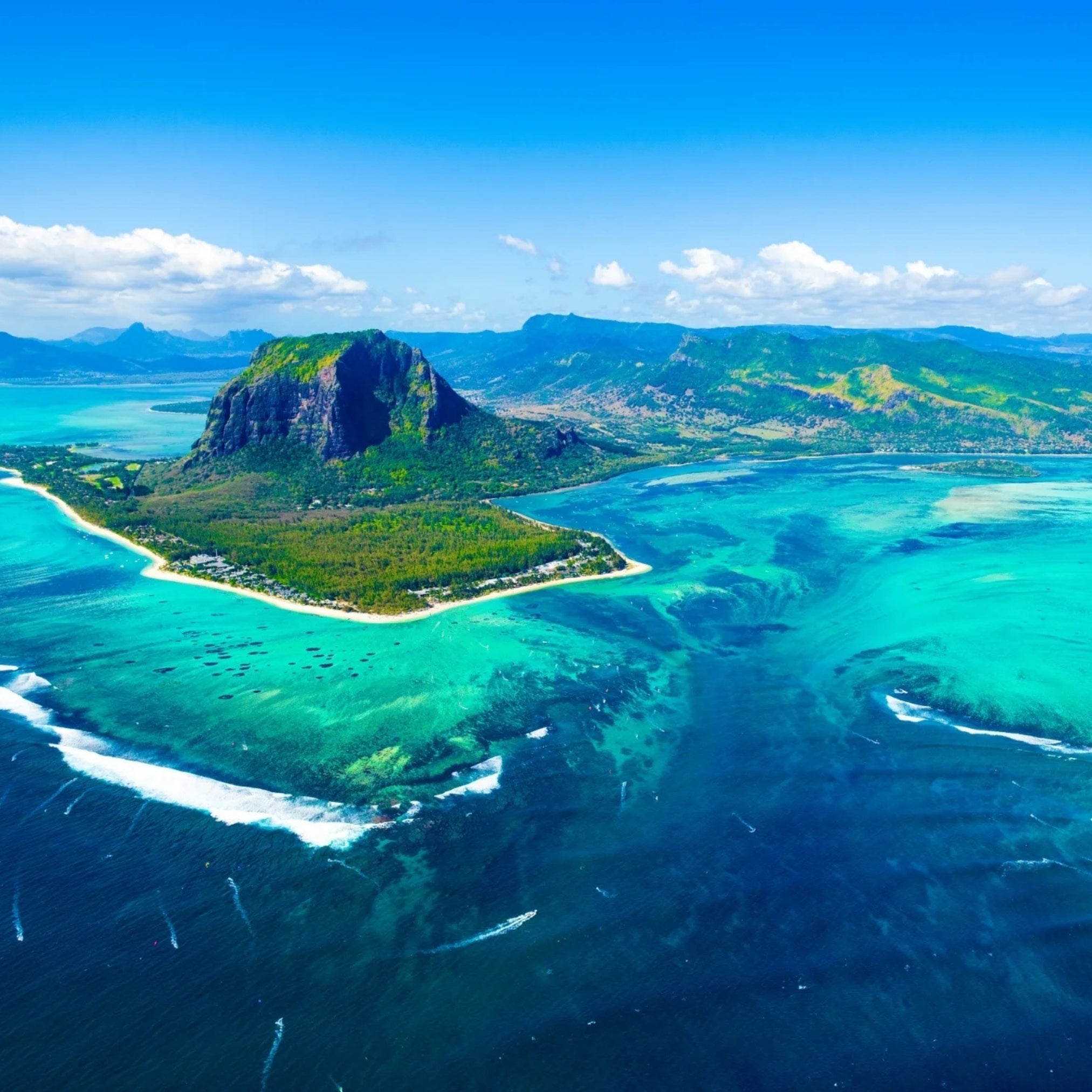
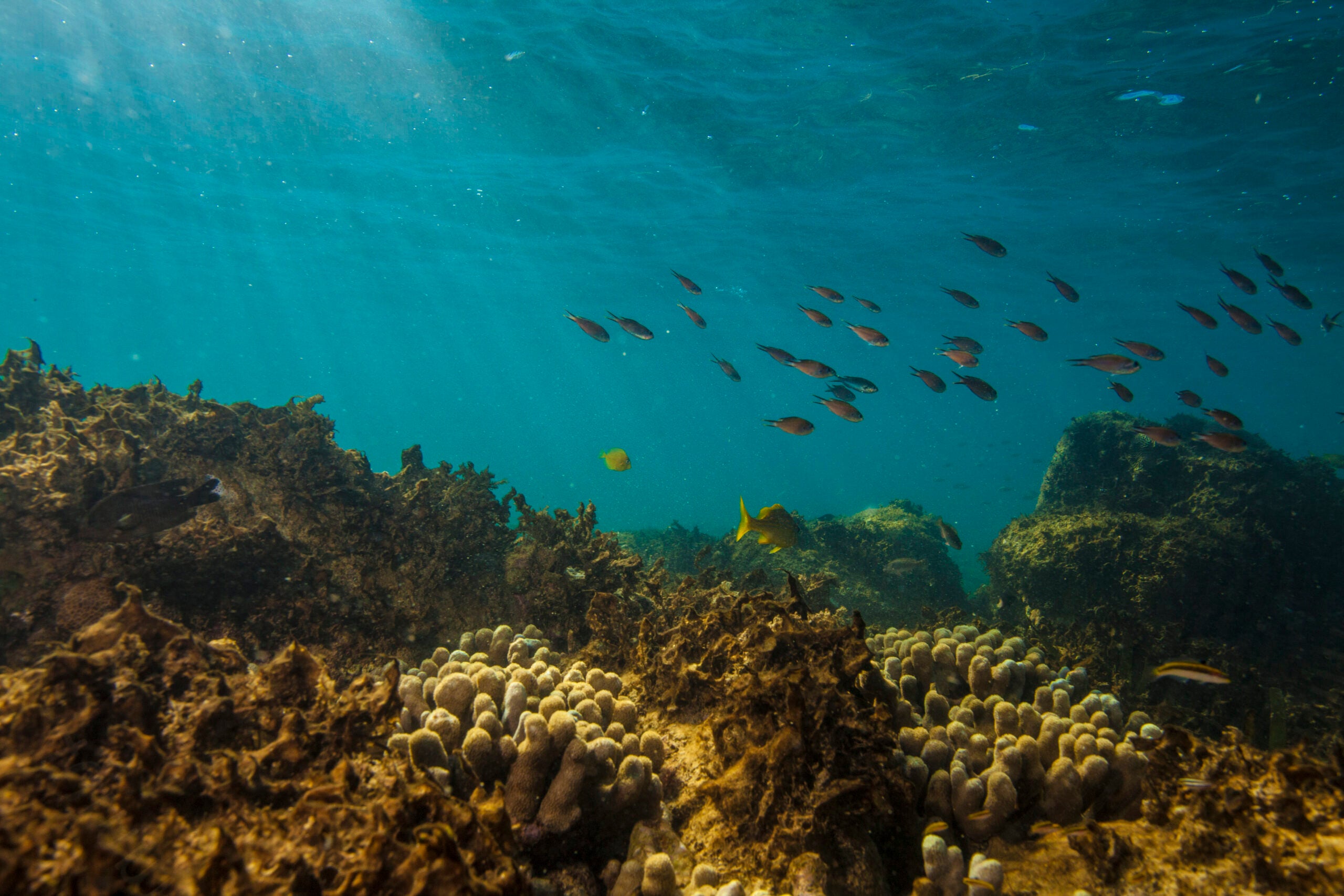
Wild Places
590+ million acres in active conservation with partners. 197+ million acres of new conservation areas being created. Re:wild protects forests, reefs, rivers, and wild lands across Africa, Asia, Australasia, the Caribbean, Latin America, and North America — places that store carbon, supply drinking water, and shelter species that exist nowhere else.
Explore Wild Places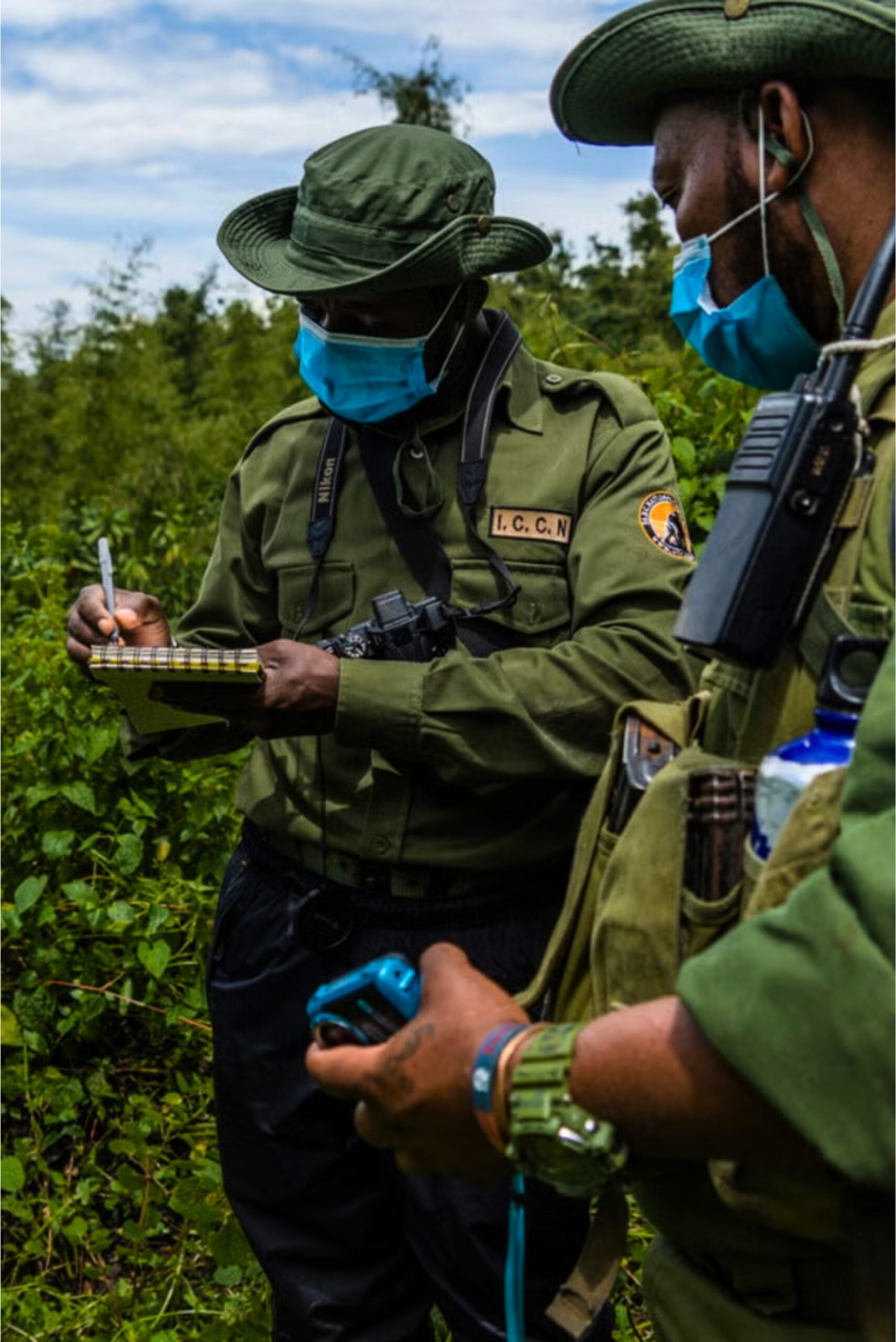
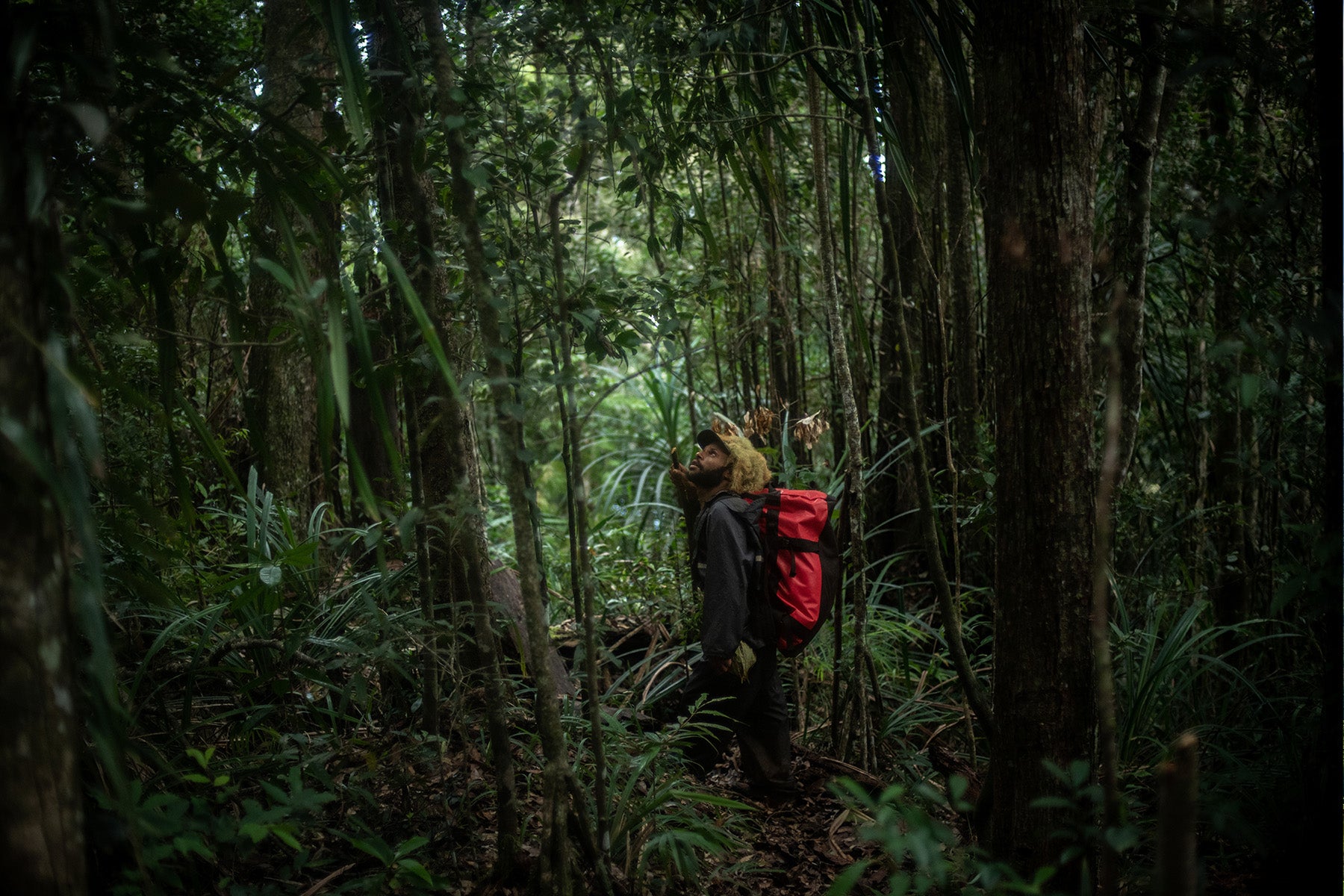
Guardians
Rangers, Indigenous communities, local scientists, and young conservationists are the people this work actually depends on. Re:wild equips them with tools, training, and funding — and in 2024, that meant over 300 scholarships, fellowships, and internships for aspiring conservationists from underrepresented communities.
Meet the Guardians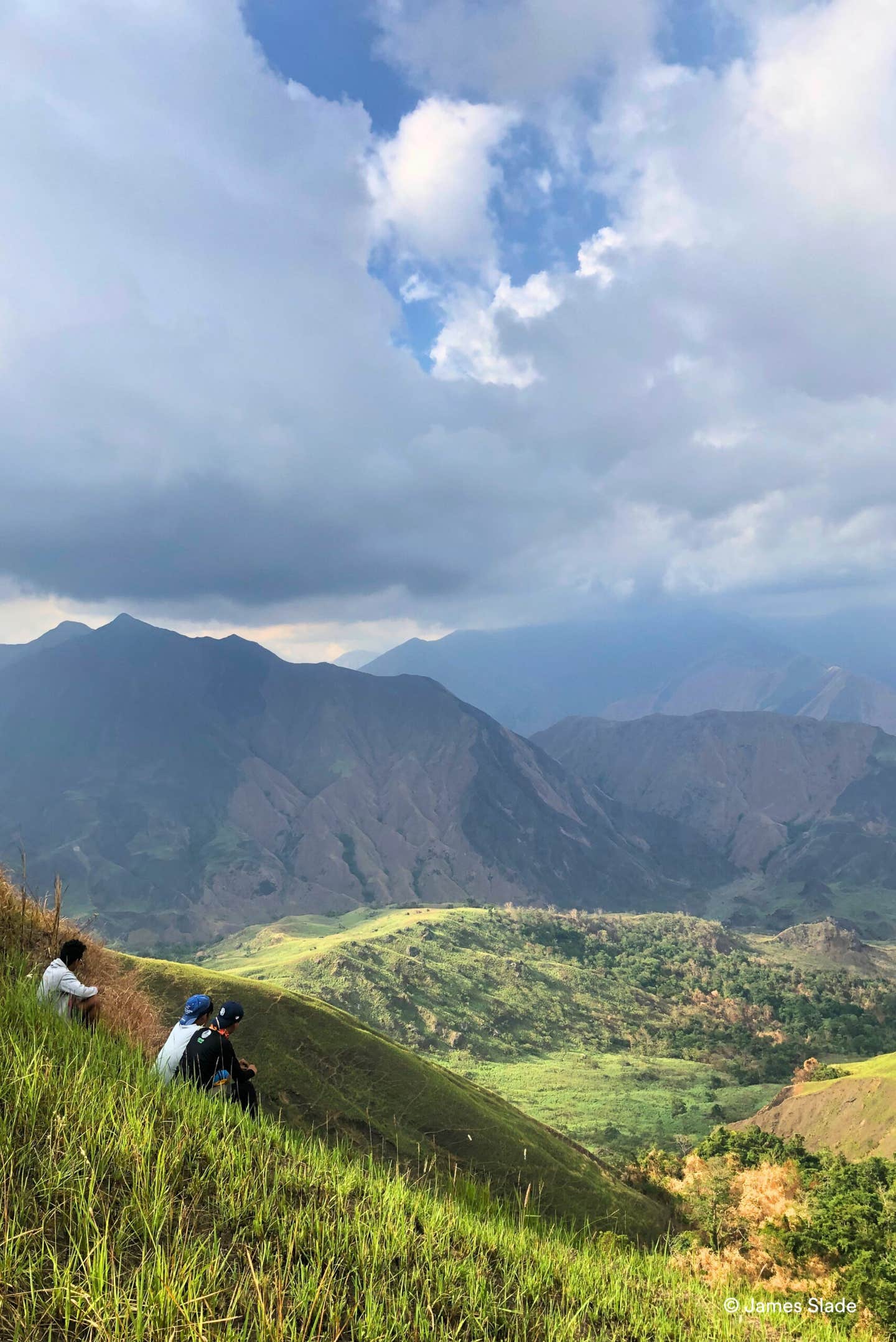
Conservation is complex. Re:wild works across eight strategies to address it.
Read About Our Strategies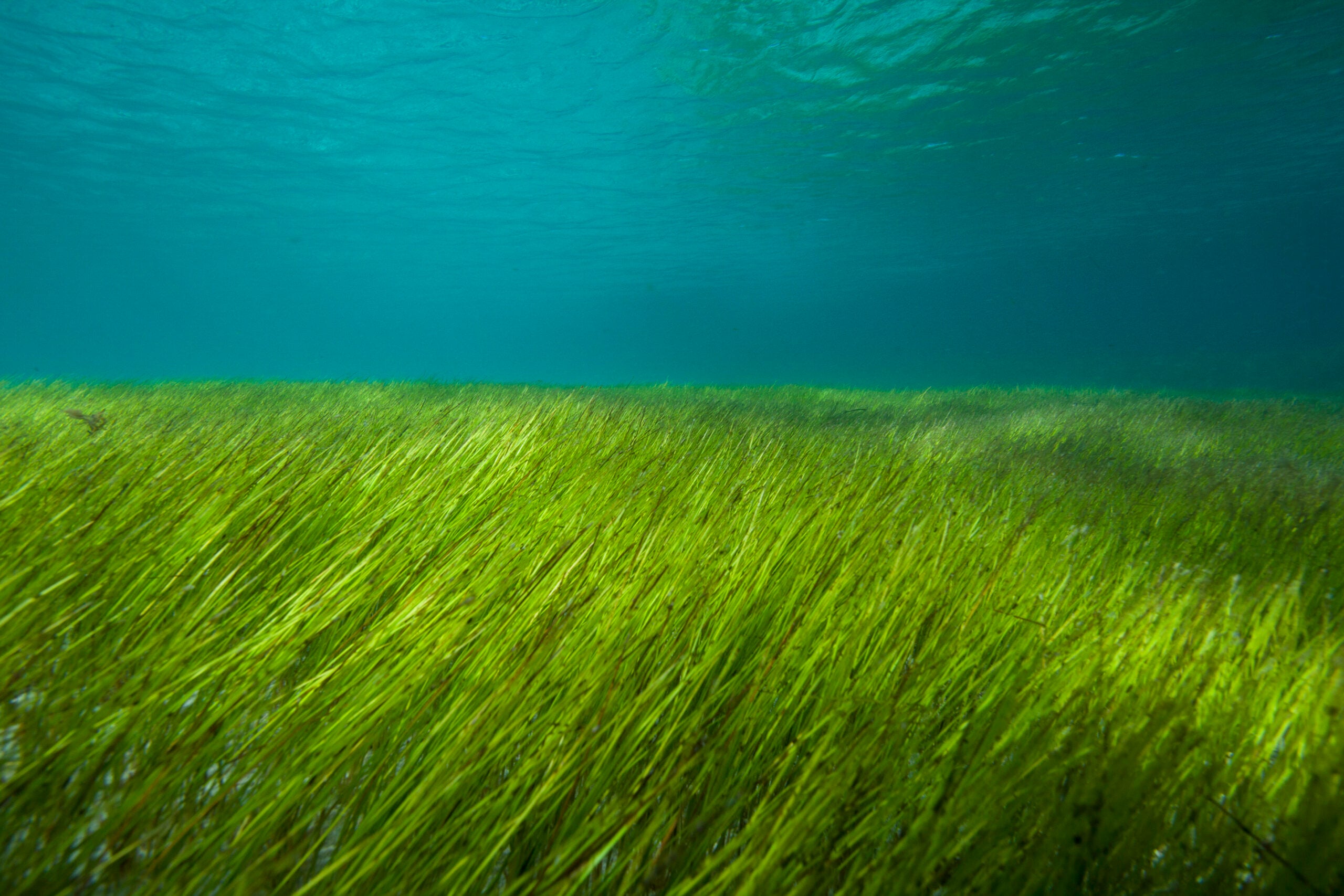
Together, we are making a difference.
See how your contributions are helping us protect wildlife and restore ecosystems.
590+ million
acres in active conservation with partners
197+ million
acres of new conservation areas being created
276
threatened species being actively conserved
36,000+
species benefiting




A wilder future is possible.
Read Our Strategic PlanExplore Re:wild
Dive deeper into our people, mission, and opportunities to get involved.