
For immediate release
Oct. 16, 2026
YEREVAN, ARMENIA—Nine private funders and organizations have come together to commit more than $500 million over the next five years to prevent extinctions and recover the world’s most threatened species. The new Species Recovery Alliance aims to become the largest coordinated philanthropic effort dedicated to the recovery of threatened species, directing sustained investment to conservation actions that can reverse the decline of imperiled wildlife and, in doing so, restore healthy, thriving ecosystems.
Announced today, Oct. 16, at the 17th Conference of the Parties (COP17) to the Convention on Biological Diversity, the Species Recovery Alliance brings together nine founding members: Ayers Wild Cat Conservation Trust, Bezos Earth Fund, Colossal Foundation, Critical Ecosystem Partnership Fund, Fondation Segré, Franklinia Foundation, Rainforest Trust, Re:wild, WildLives Earth.
Together, they are committed to measurably recovering species classified as extinct in the wild, critically endangered and endangered on the IUCN Red List of Threatened Species by coordinating and aligning their funding and conservation efforts to maximize their collective impact.
“For too long, species recovery has not received the same level of attention and investment as efforts to address climate change, even though both are essential to tackling the interconnected biodiversity and climate crises,” said Wes Sechrest, co-founder and CEO of Re:wild. “This alliance represents a commitment to changing that by making the recovery of threatened species a global conservation priority and ensuring that organizations and local conservationists doing this critical work have the resources that they need to succeed.”
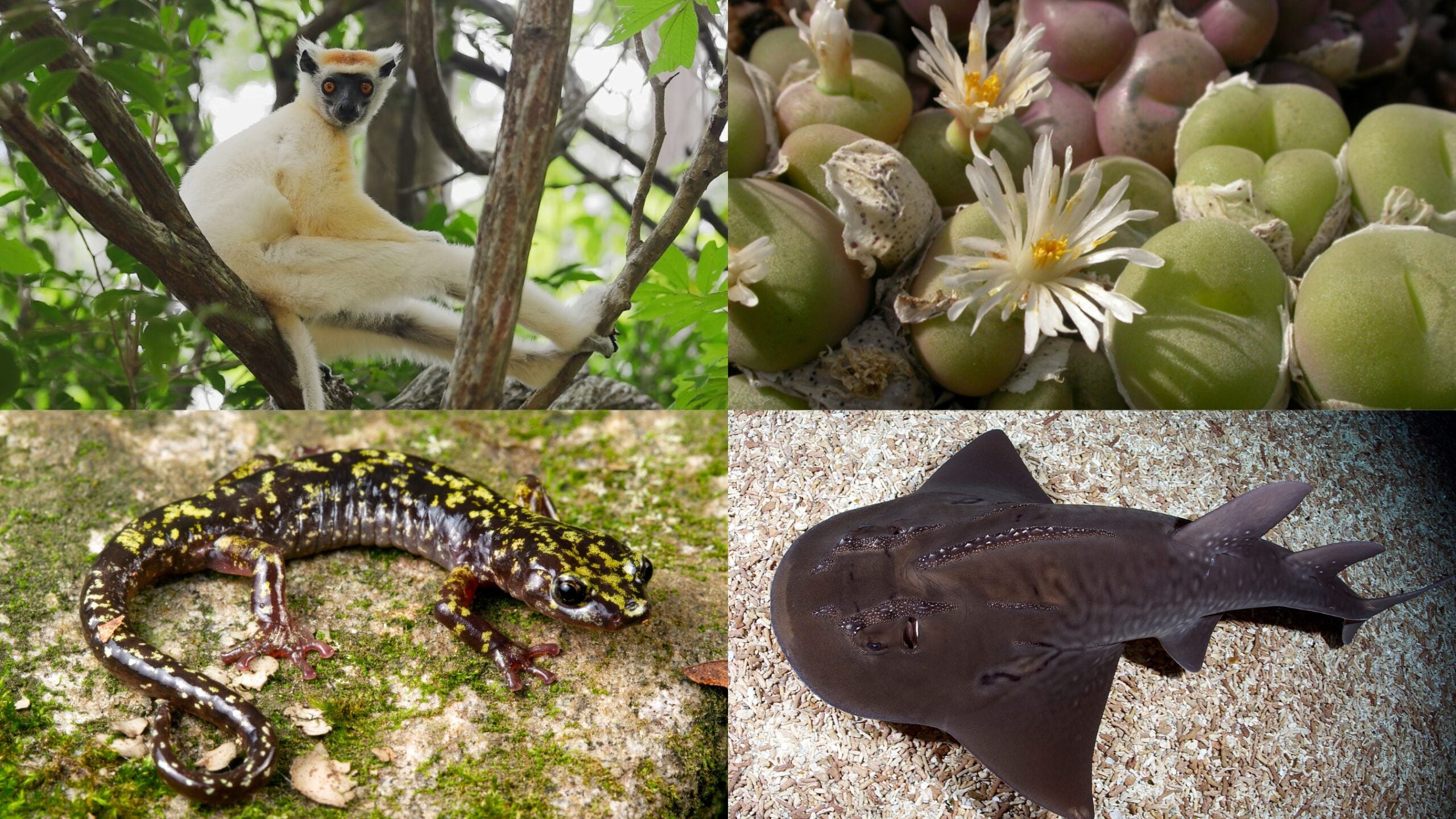
According to the IUCN Red List, more than 31,000 species worldwide are classified as extinct in the wild, critically endangered or endangered, including more than 10,000 critically endangered species. Of those, more than 10% have populations of fewer than 50 individuals remaining.
Protecting habitat is essential, but research shows that 57% of threatened species also need targeted conservation interventions, such as conservation breeding, habitat restoration, genetic rescue, reintroductions, disease mitigation, invasive species control, poaching prevention and anti-poaching measures, or other methods to prevent extinction and facilitate recovery.
The announcement comes alongside a significant demonstration of government leadership on species recovery. Seventeen governments, led by Colombia and Armenia, have launched the Coalition of Action to Recover Endangered Species (CARES), a new initiative to accelerate national action to prevent extinction and advance Target 4 of the Kunming-Montreal Global Biodiversity Framework.
“Countries have made important progress toward protecting 30% of the planet by 2030. But protected areas alone cannot save every endangered species. Many need urgent, targeted action to rebuild their populations and recover,” said Cristián Samper, managing director and leader of nature solutions at the Bezos Earth Fund. “We call on more funders to join the alliance and more governments to join CARES. Conservationists have shown that species can be brought back from the brink. By joining these efforts now, funders and governments can help make that recovery possible for many more species.”
The Species Recovery Alliance’s $500 million commitment is independent of CARES and will support species recovery efforts led by conservation organizations and local partners around the world. While the two initiatives are separate, they share a common ambition: to ensure the world’s most threatened species receive the support they need to recover.
Rather than pooling their funding, alliance members will coordinate and align their investments, share knowledge and work with local partners to support effective recovery actions at the scale and over the timeframes needed to achieve measurable results. Members will also share lessons and report on progress using the International Union for Conservation of Nature’s Green Status of Species, as well as the Red List of Threatened Species, to assess their collective impact.
The Species Recovery Alliance will build on existing conservation partnerships, including the Phoenix Species Project, a partnership between Bezos Earth Fund and Re:wild focused on recovering 100 of the world’s most threatened species. Spanning 30 countries, Phoenix brings together sustained investment, scientific expertise and locally led conservation to demonstrate how targeted recovery efforts could be scaled to help thousands of threatened species worldwide.
The founding members of the Species Recovery Alliance are calling on additional philanthropic organizations and funders to join the effort and increase global investment in species recovery.
Additional quotes
Grethel Aguilar, IUCN’s director general
“We are happy that Re:wild, an IUCN member, is at the forefront of the new alliance, which is assisting these countries in their quest to save their biodiversity.”
James Deutsch, CEO, Rainforest Trust
"Unlike most other forms of environmental loss, global species extinctions cannot be reversed. That's why saving endangered and critically endangered species has always been central to Rainforest Trust's mission, and why we are thrilled to join the Species Recovery Alliance with a particular focus on saving habitat critical for endangered and critically endangered species in the tropics and subtropics."
Jean-Christophe Vié, director general, Fondation Franklinia
“More than one third of the species classified as extinct in the wild, critically endangered or endangered on the IUCN Red List are trees. The number of threatened trees is more than twice the number of threatened terrestrial vertebrate species and hundreds are restricted to single sites, many located outside protected areas. Trees are essential components of ecosystems on which the future of many other species depend, including humankind. Fondation Franklinia will continue to support a vast network of organisations working hard to prevent the decline and extinction of this essential component of biodiversity. Working as a coalition will help us to better coordinate actions and amplify our message about the importance of keeping species, all species, alive.”
# # #
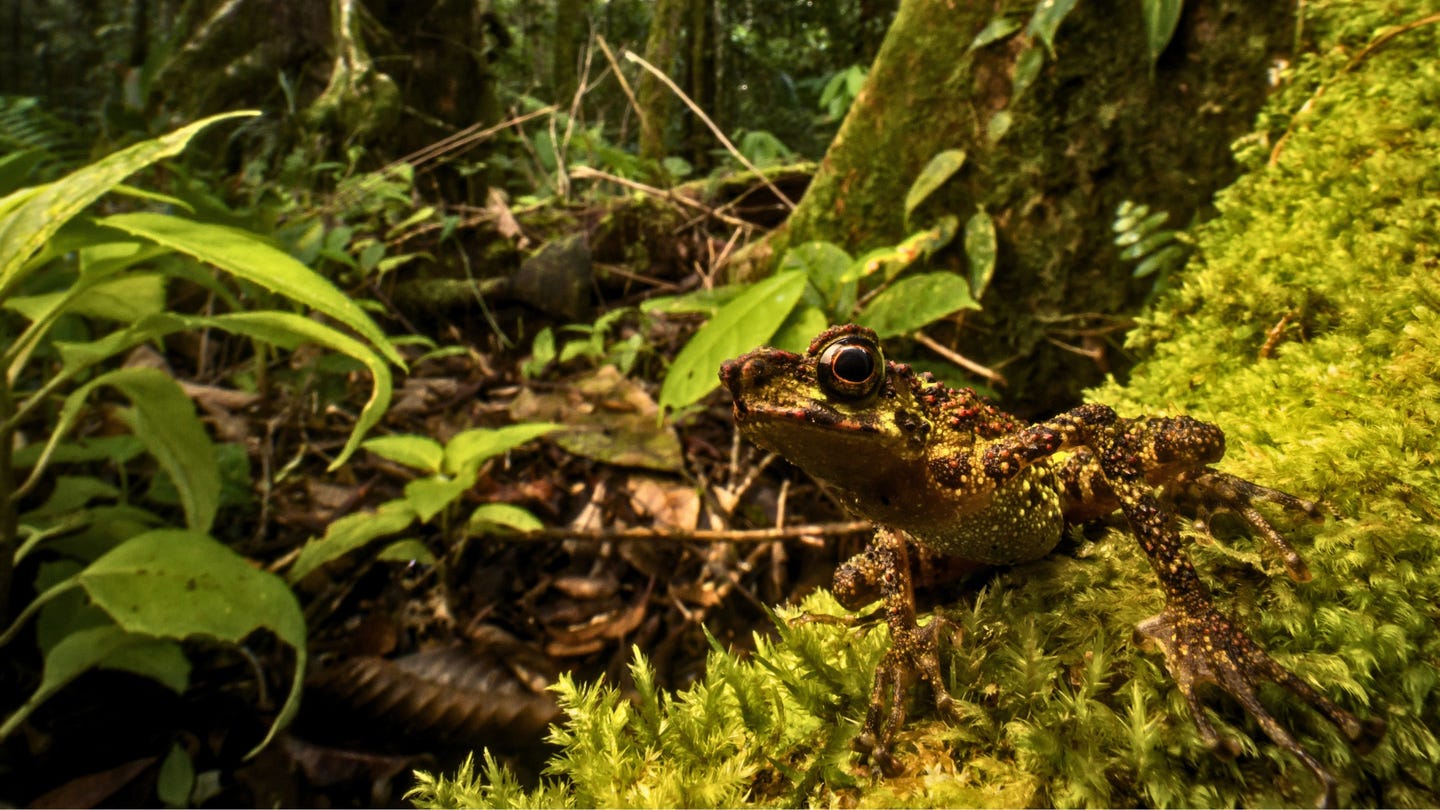
Photo: The Borneo rainbow toad is an endangered species from Borneo. (Photo by Robin Moore, Re:wild)
Ayers Wild Cat Conservation Trust
Almost half of the world’s wild cat species are vulnerable to extinction. The Ayers Wild Cat Conservation Trust is committed to recovering them, from the largest wild cats to the smallest, wherever they are threatened.
Bezos Earth Fund
The Bezos Earth Fund, guided by the belief that Earth is the best planet in this solar system, works to protect and restore the natural world. Working with partners around the globe, we are developing innovative solutions to ensure the planet remains a place we can – and want to – live on. Based in the United States, the organization is led by President and CEO Tom Taylor, under the direction of Chairman Jeff Bezos and Vice Chair Lauren Sánchez Bezos. To learn more, visit: bezosearthfund.org.
Colossal Foundation
The Colossal Foundation is a 501(c)(3) dedicated to supporting the use of cutting-edge technologies for conservation efforts globally to help prevent extinction of keystone species. The organization deploys de-extinction technologies and support to empower partners in the field to reverse the extinction crisis. Learn more atwww.ColossalFoundation.org.
Critical Ecosystem Partnership Fund
The Critical Ecosystem Partnership Fund (CEPF) fills a unique, strategic role in addressing the extinction of species by mobilizing and supporting civil society organizations, Indigenous and local communities to protect the world's biodiversity hotspots. The fund is a joint initiative of l’Agence Française de Développement, Conservation International, the European Union, Fondation Franklinia, Fondation Hans Wilsdorf, the Global Environment Facility, the Government of Canada, the Government of Japan, Hempel Foundation, The Nature Conservancy and the World Bank. Since 2001, CEPF has catalyzed enduring, locally led biodiversity conservation through over US$350 million in grants to more than 2,800 organizations in 112 developing and transitional countries. Results include more than 17 million hectares of formal protected areas established, more than 1,400 globally threatened species supported, and more than 6,700 communities benefiting. Learn more at www.cepf.net, Facebook, Instagram and LinkedIn.
Fondation Segré
Fondation Segré is a philanthropic foundation dedicated to the active conservation of threatened animal species and the protection of their natural habitats. Working with conservation organisations and local partners worldwide, the Foundation supports targeted, long-term initiatives designed to deliver measurable conservation outcomes. Its work focuses on strengthening the viability of threatened wildlife populations, safeguarding their critical habitats, improving protected area management, and addressing key threats such as habitat loss, poaching, and illegal wildlife trade. Through strategic funding and collaborative partnerships, Fondation Segré seeks to generate lasting impact for species while supporting effective, science-based conservation action on the ground.
Franklinia Foundation
Fondation Franklinia is a Swiss based private foundation established two decades ago. It supports organisations driving in situ conservation actions of globally threatened tree species around the world. To ensure that all tree species are assigned a threat category on the IUCN Red List of Threatened Species, the Foundation also supports the global assessment of all the world 60’000+ tree species.
Rainforest Trust
Since 1988, Rainforest Trust has been working with partners to safeguard imperiled tropical habitats and threatened species by helping to establish protected and conserved areas in partnership with Indigenous and local organizations and communities. To date, Rainforest Trust has helped protect more than 70 million acres of vital habitat across Latin America and the Caribbean, Africa, and the Asia-Pacific region. Rainforest Trust is a nonprofit organization that relies upon the generous support of the public to successfully implement its important conservation action. The organization is proud of earning a 4-star rating from Charity Navigator. Learn more about the work of Rainforest Trust by visiting RainforestTrust.org, X (Twitter), Instagram, Facebook, or LinkedIn.
Re:wild
Re:wild protects and restores the wild. We have a singular and powerful focus: the wild as the most effective solution to the interconnected climate, biodiversity and human wellbeing crises. Founded by a group of renowned conservation scientists together with Leonardo DiCaprio, Re:wild is a force multiplier that brings together Indigenous peoples, local communities, influential leaders, nongovernmental organizations, governments, companies and the public to protect and rewild at the scale and speed we need. Learn more at rewild.org.
WildLives Earth
The aim of WildLives Earth foundation is to Achieve conservation and respect for endangered species and their habitats. The Foundation believes in the intrinsic value of all animals, as species, as individuals and as integral parts of interconnected ecosystem. Through strategic grantmaking, evaluation of outcomes and impact, and active learning in partnership with practitioners and experts, the foundation supports efforts that advance the survival of endangered species and conservation of threatened habitats.
Contact
Lindsay Renick Mayer
Re:wild
lrenickmayer@rewild.org
512-686-6225
Devin Murphy
Re:wild
dmurphy@rewild.org
512-686-6188

Lindsay Renick Mayer
Director of Communications and Impact Campaigns
Lindsay is the Director of Communications and Impact Campaigns for Re:wild and has a particular interest in leveraging communications to inspire conservation action. Lindsay is passionate about species-based conservation and finding compelling ways to tell stories that demonstrate the value of all of the planet’s critters, big and microscopic.