Solving the climate crisis can really stink. For tapirs at least, their contribution comes in the form of steamy piles of poo. Odor aside, the wild is truly the most effective solution to the interconnected climate, biodiversity, and human well-being crises.
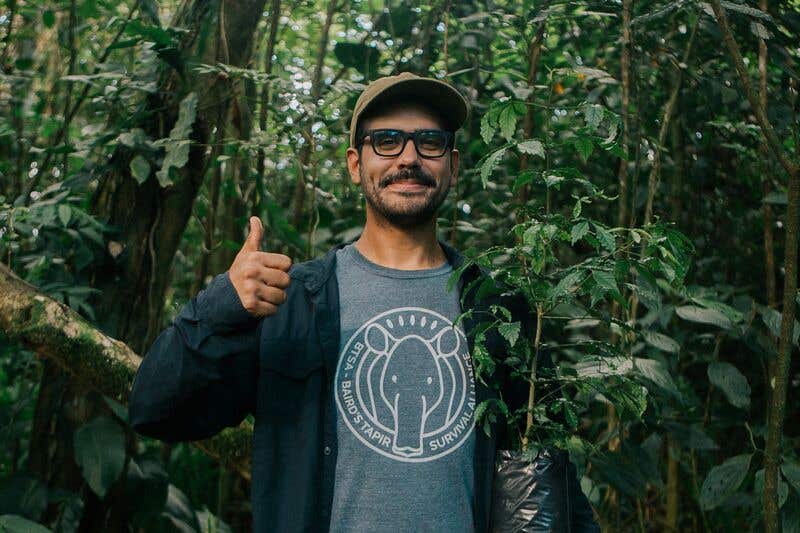
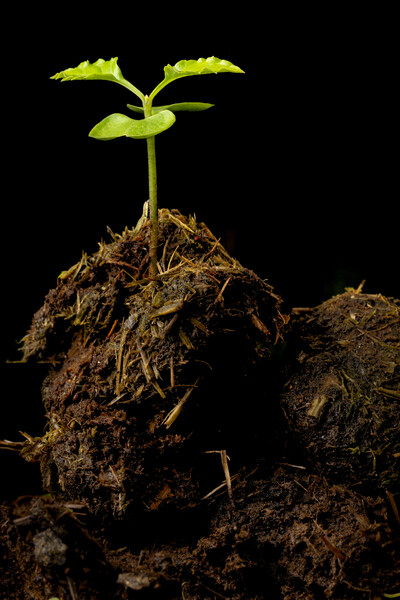
“Tapirs have literally been getting shit done for over 20 million years,” says Esteban Brenes-Mora, Re:wild Mesoamerica coordinator. “Naturally they’ve been doing all the work. Tapirs increase a forest’s capacity to sequester carbon from the atmosphere by simply pooping. From their dung comes the essential service of forest regeneration, by digesting and dispersing seeds throughout these ecosystems.”
Tipping the scale at over five hundred pounds, tapirs have a voracious appetite for forest vegetation. Eating over 200 different species of plants, tapirs have a strong preference toward succulent fruits. Using their prehensile noses they are able to reach and grasp fruits that other species can only salivate over. Because of this, they play a vital role in their ecosystems as seed dispersers, especially for the largest trees in the forest--the ones that are particularly good at sequestering carbon. With these simple fruity snacks, tapirs are helping propagate these trees with their droppings left behind as they wander the forest.
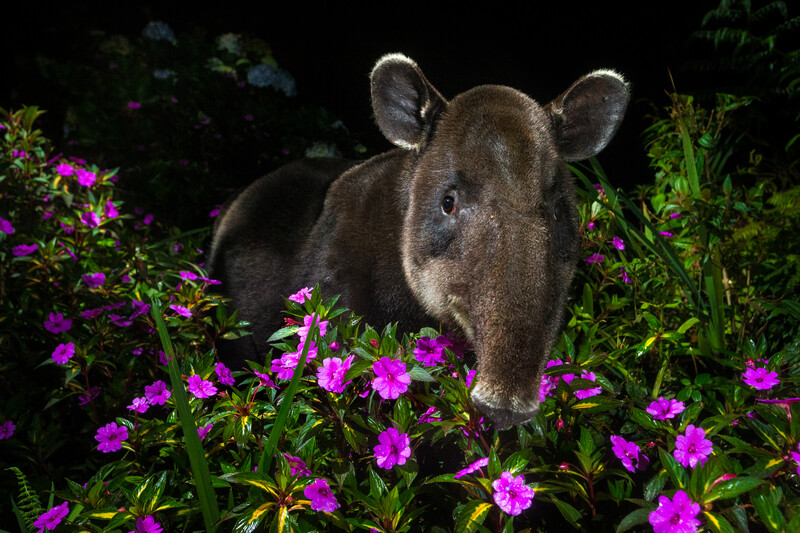
For example, the dung from Baird’s Tapirs in the Guanacaste Mountain Range of Costa Rica are key to the survival of the endangered Jicaro Danto Tree (Parmentiera valerii), a species found only in Costa Rica. Jicaro are large slow-growing trees with dense wood, which means they also store the most carbon. This species has evolved to allure tapirs by growing sweet, cucumber-shaped fruit from their massive trunks. Tapirs have championed the art of smashing the fruit’s hard shell to dine on their delicious insides. In fact, they are the only ones capable of reaching the fruits, breaking the shells, and dispersing the seeds. Tapirs are the architects of this forest ecosystem, helping spread Jicaro seeds far away from their mother trees, improving the seeds’ chances of germinating.
“Unfortunately, this lovely symbiosis is in danger,” says Brenes-Mora. “Both Baird’s Tapirs and the Jicaro Danto Tree are listed as Endangered with declining populations according to the IUCN Red List. We need to protect tapirs to save the Jicaros, and work with partners like Costa Rica Wildlife Foundation to support restore Jicaro Danto populations to protect the tapirs of this region.”
Without Baird’s Tapirs, there would be fewer Jicaro Danto Trees and less carbon locked in the forests of the Guanacaste Mountain Range.
Re:wild and our partners have established the Baird’s Tapir Survival Alliance where we are collaborating in Belize, Costa Rica, Guatemala, Honduras, Mexico, Nicaragua, and Panama to protect tapirs. This alliance works with local, regional, and national guardians dedicated to reducing and eliminating the biggest threats to Baird’s Tapirs, including unsustainable hunting, poaching, retaliatory killings of tapirs in reaction to crop-raiding, and roads built in tapir habitats. The alliance encourages its partners across Central America to work together and share experience, skills, and resources to ensure that Baird’s Tapirs are protected and continue to rewild the forests where they live.
“With an army of tapirs, we can save the world, that’s all we need to combat climate change,” says Brenes-Mora. “A world without this keystone species, is a world of unstable forests lacking essential species for them to thrive. Tapirs disappearing causes a cascade effect throughout the ecosystem. In order to best combat the effects of climate change we need to continue to protect existing tapirs and support their population growth.”

Tapirs are truly leading the way with what they are leaving behind in the fight against climate change--reminding us that the most effective solution for capturing and storing carbon is the WILD. And yes, it really stinks!

Milo Putnam
Communications Manager
Milo is a communications manager for Re:wild and has a true love of storytelling and creating compelling content that mobilizes action for our planet. He’s always looking to uncover the next best story to engage others in discovering the natural world and helping to protect it in the process. When he’s not crafting engaging content, Milo loves going on adventures near and far with his husband.