Exploration
More than 80% of Earth's species remain unknown to science. Re:wild is changing that — one expedition, one rediscovery, one breakthrough at a time.
Support Exploration
You can't protect what you don't know exists.
Download Our Exploration Strategyopens in new tab
We go where others haven't.
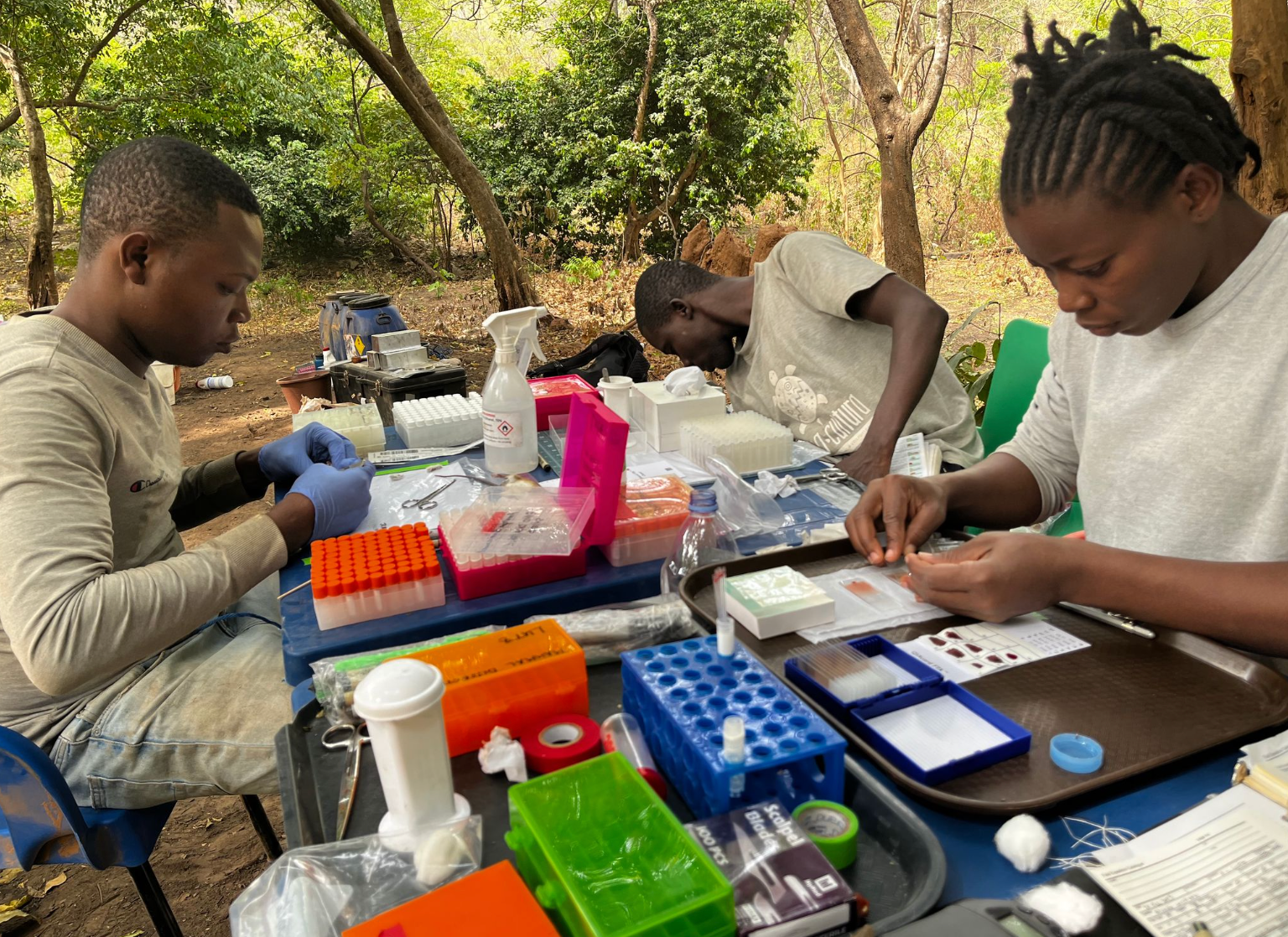
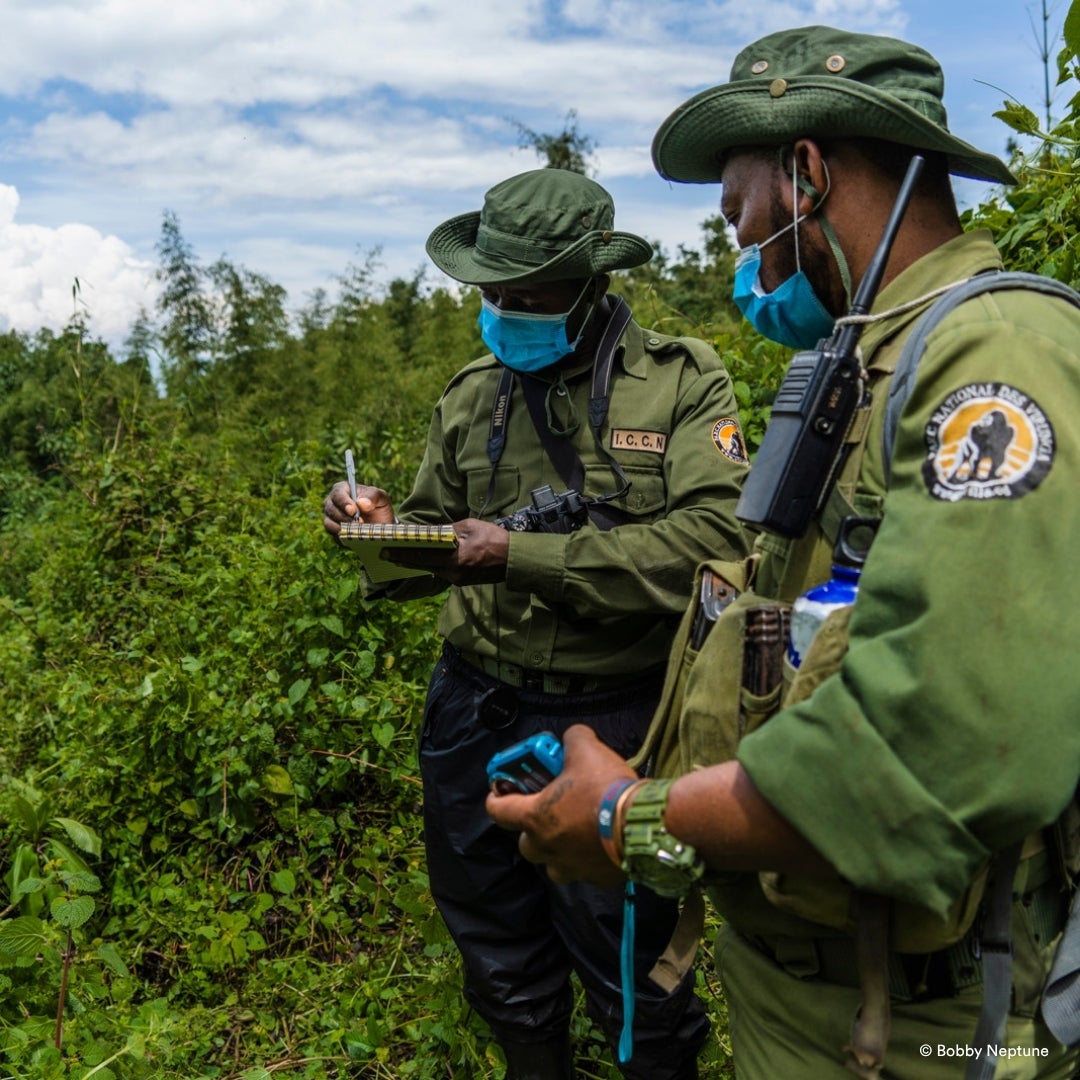
Re:wild deploys interdisciplinary teams of local scientists, Indigenous guides, international taxonomists, and cutting-edge technologies into the least-known corners of our planet. We don't just collect data; we build the tools, the training, and the partnerships that put it to work. The scale behind these numbers reflects what's possible when the right people come together around a shared goal — and there is still so much left to find.
18%
of Earth's species are known to science — leaving 82% still undiscovered
30+
expeditions launched by Re:wild since the Search for Lost Species began in 2017
12
of the Top 25 Most Wanted Lost Species found to date
5.4 billion
estimated audience reached by Re:wild's lost species stories




Programs
The Search for Lost Species
The Search for Lost Species
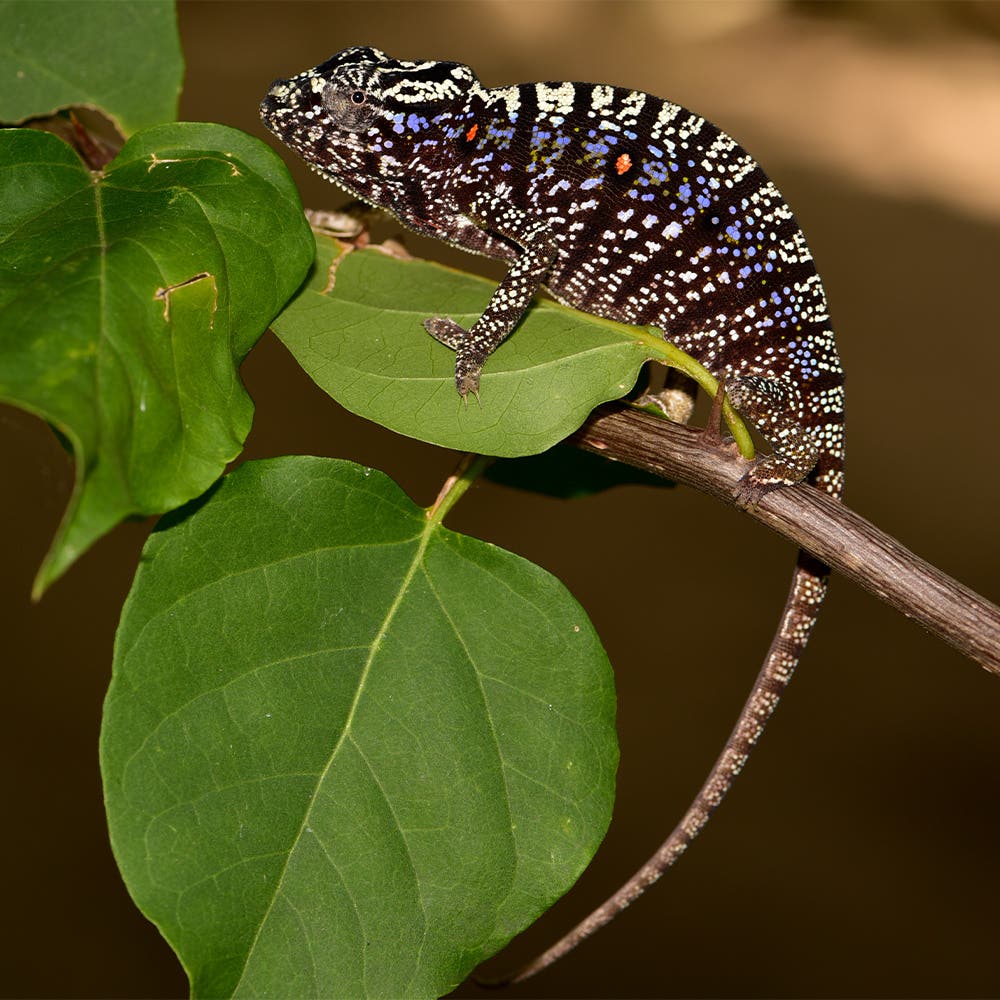
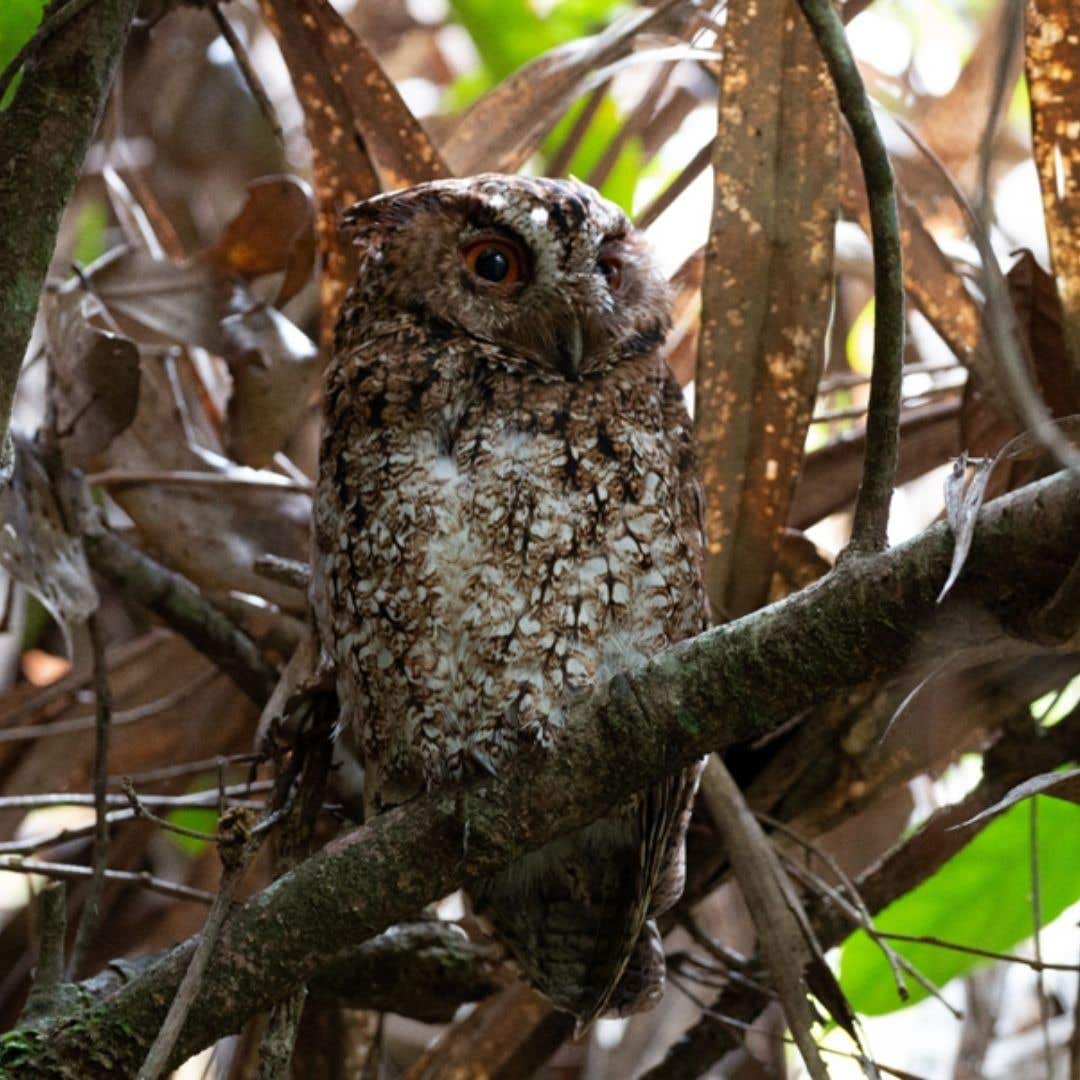
More than 2,000 species have vanished from scientific record — not confirmed extinct, just missing. Since 2017, Re:wild has executed over 30 expeditions to find them, from Madagascar to Papua New Guinea, recovering 12 of our Top 25 Most Wanted lost species.
Catalyzing New Protected Areas
Catalyzing New Protected Areas
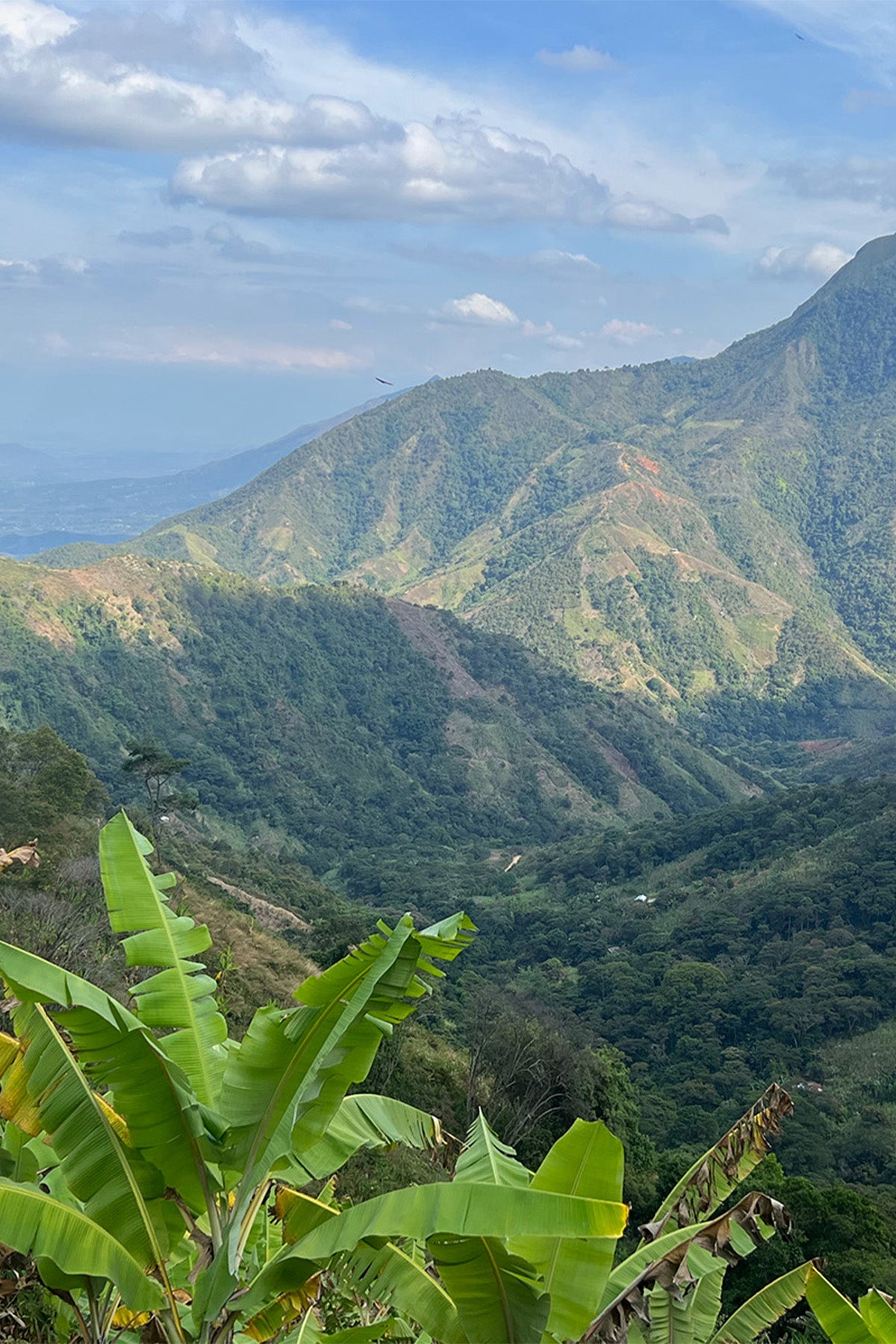
Exploration data builds the case for protection. Re:wild converts field surveys into KBA designations and new protected areas.
Expeditions into the Unexplored
Expeditions into the Unexplored
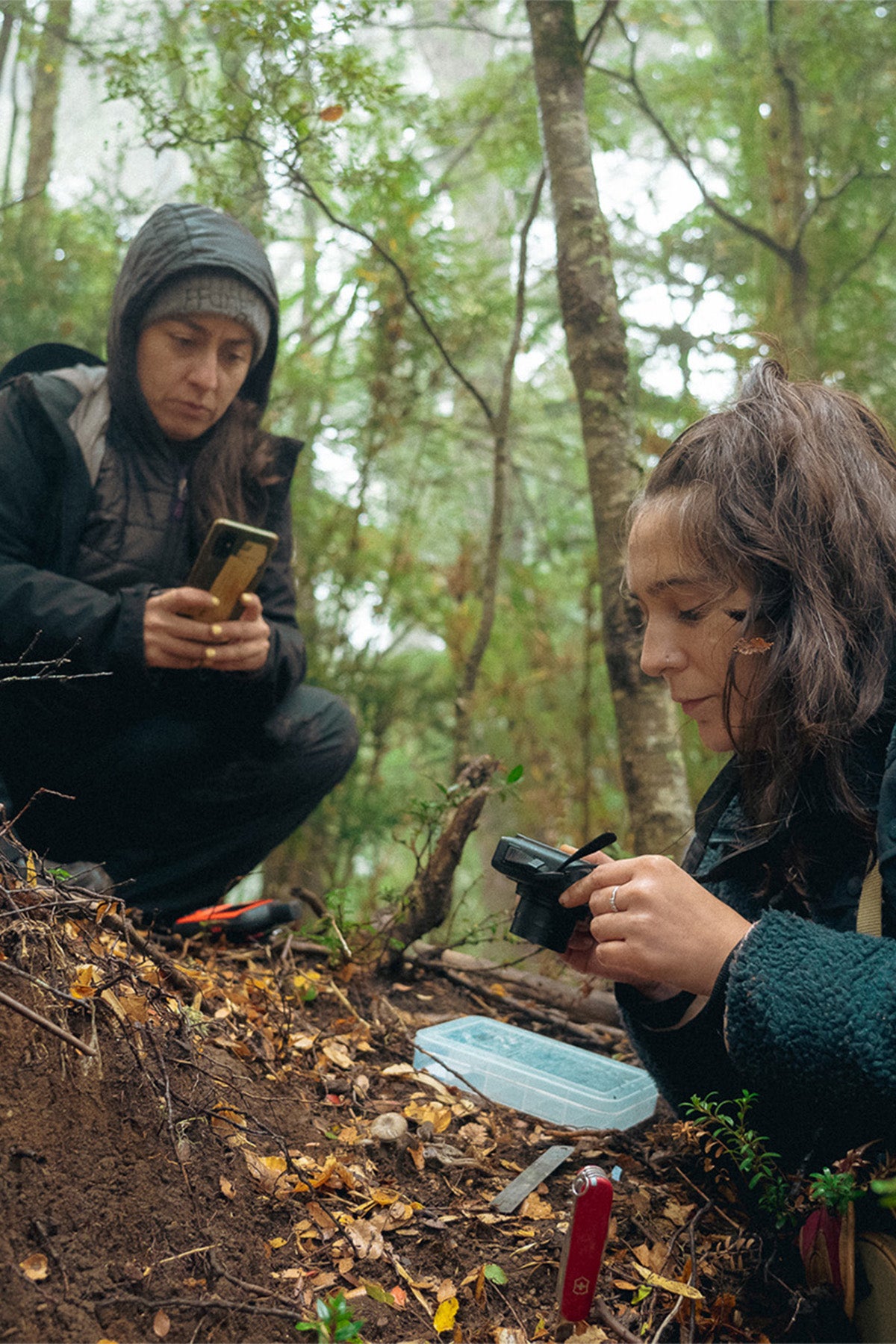
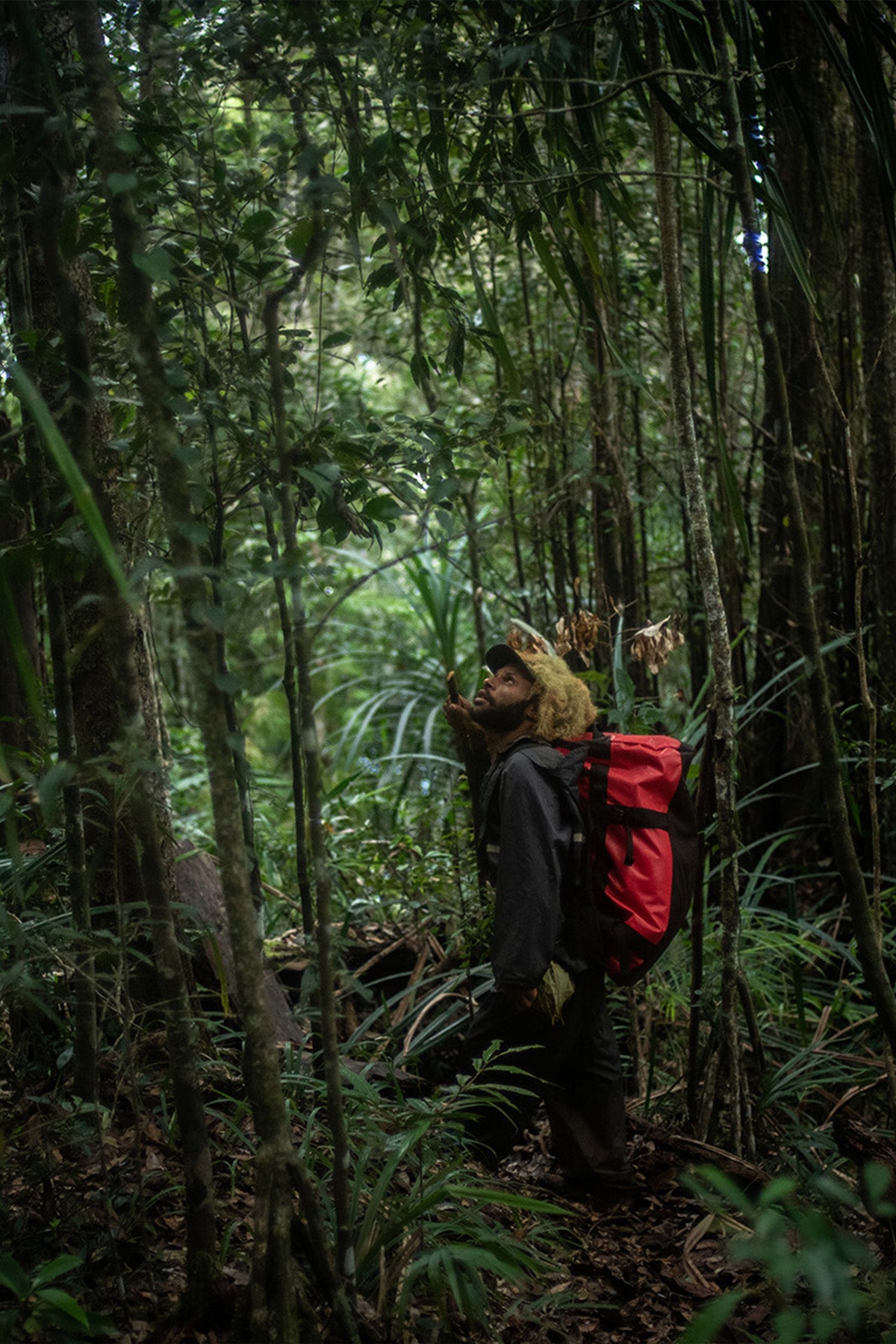
Biodiversity darkspots, where scientific knowledge is thinnest, exist inside Earth's richest landscapes. Re:wild leads locally driven expeditions into under-surveyed regions across the Congo, Amazonia, Southeast Asian islands, and beyond, always applying results to conservation action.
Species Discovery
Species Discovery
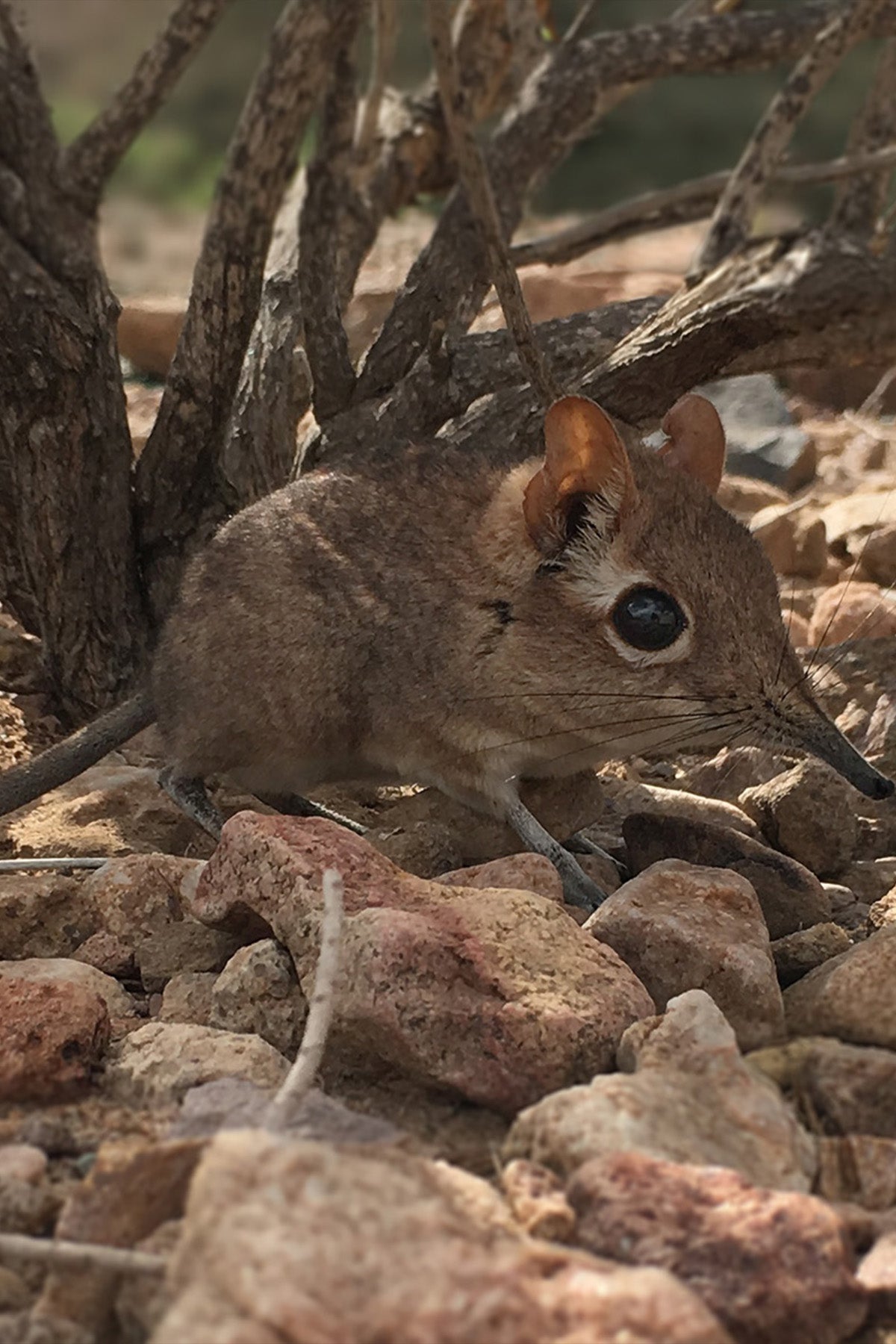
Thousands of species remain unnamed. Re:wild supports scientists worldwide to identify and assess them before they vanish.
Global Monitoring System
Global Monitoring System
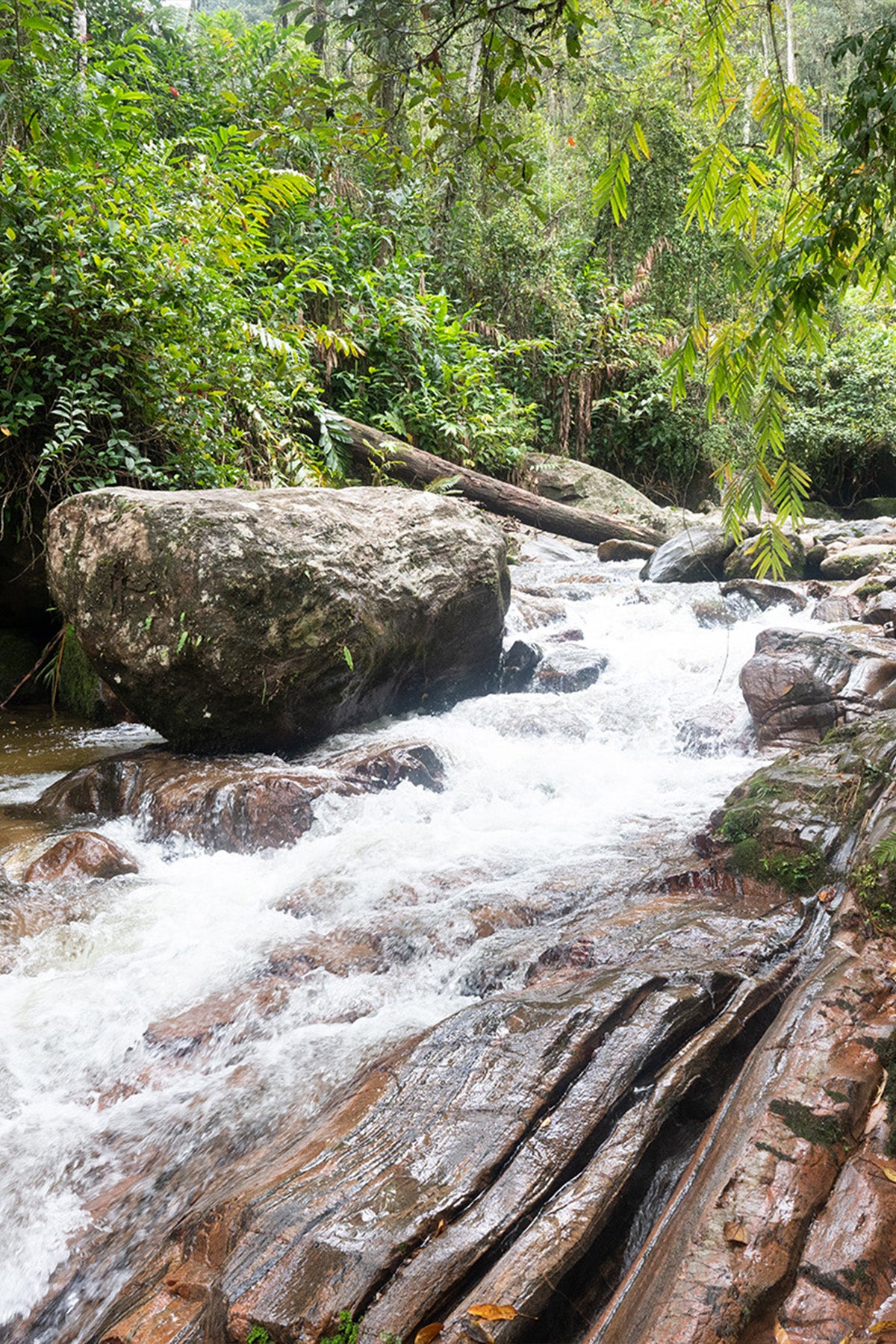
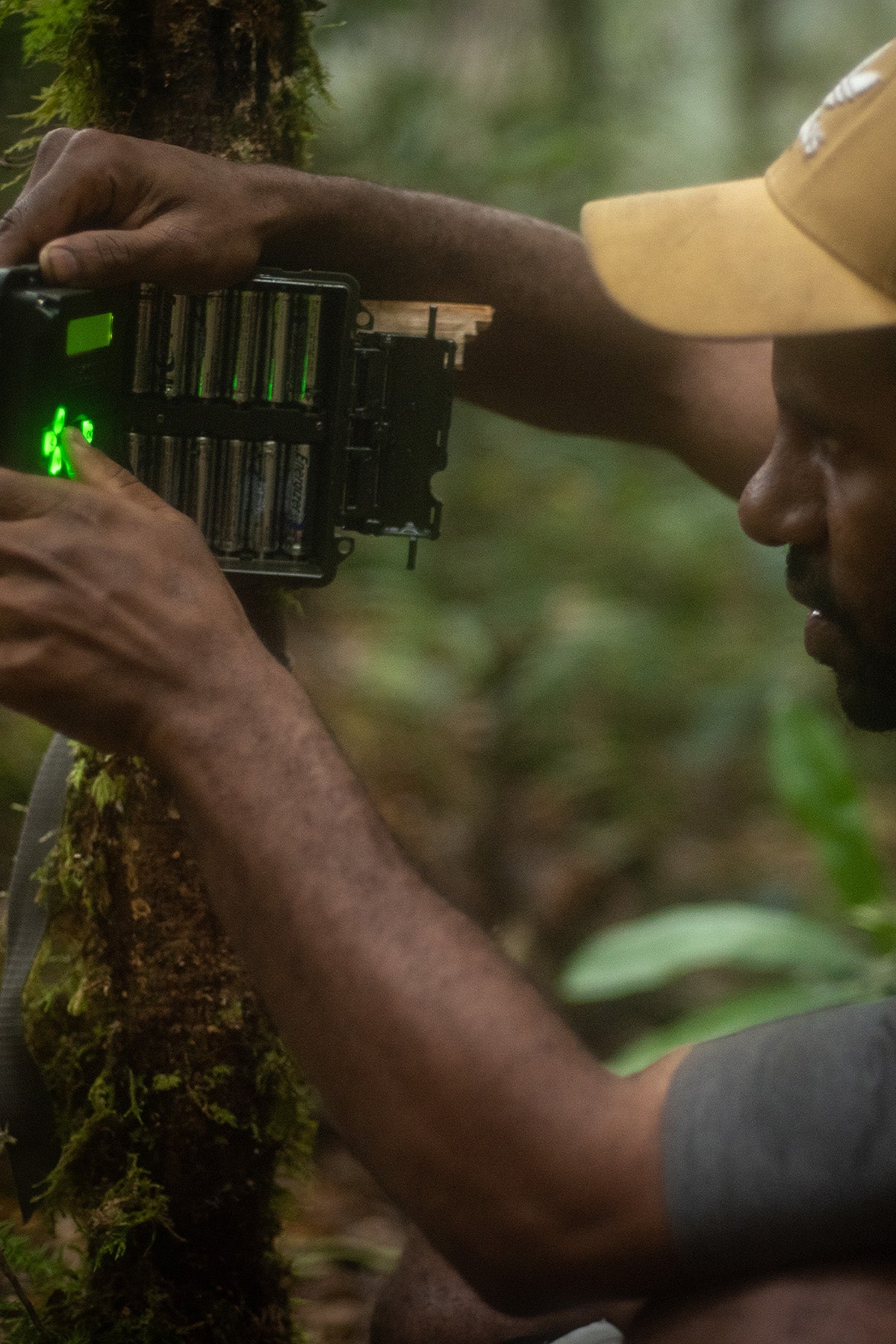
Re:wild deploys eDNA, AI, and bioacoustics for near-real-time monitoring — training local scientists to run it.
Data Driven Conservation
Data Driven Conservation
Re:wild standardizes field data with GBIF and NatureMetrics so it feeds into Red List, KBA, and IAS decisions.
Initiatives
Country-wide Lost Species Searches
Country-wide Lost Species Searches
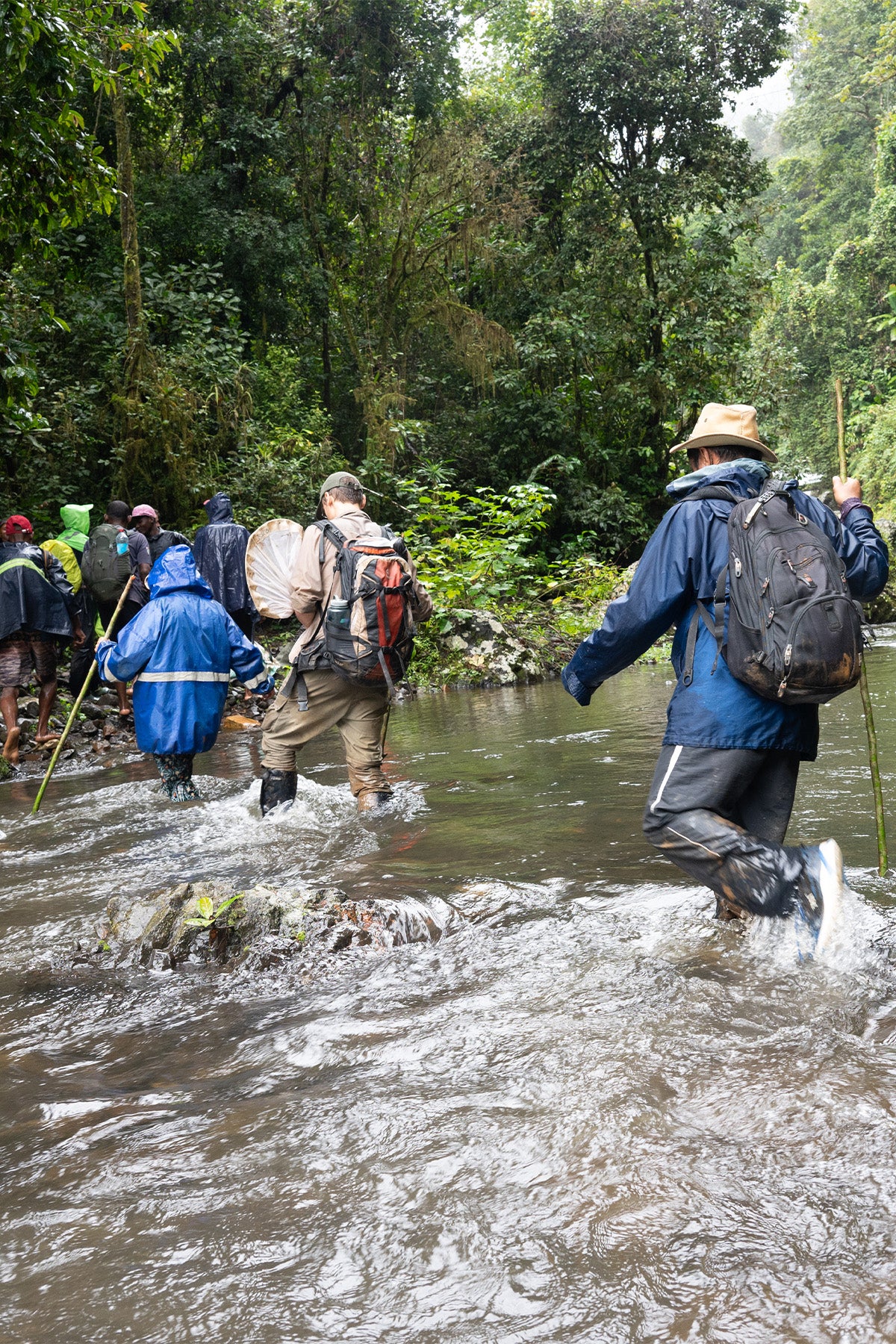
Re:wild trains per-country teams of young scientists to find overlooked species and turn discoveries into KBA designations and Red List updates. Piloting in Africa; scaling to 20+ countries.
The Search for Lost Sharks
The Search for Lost Sharks
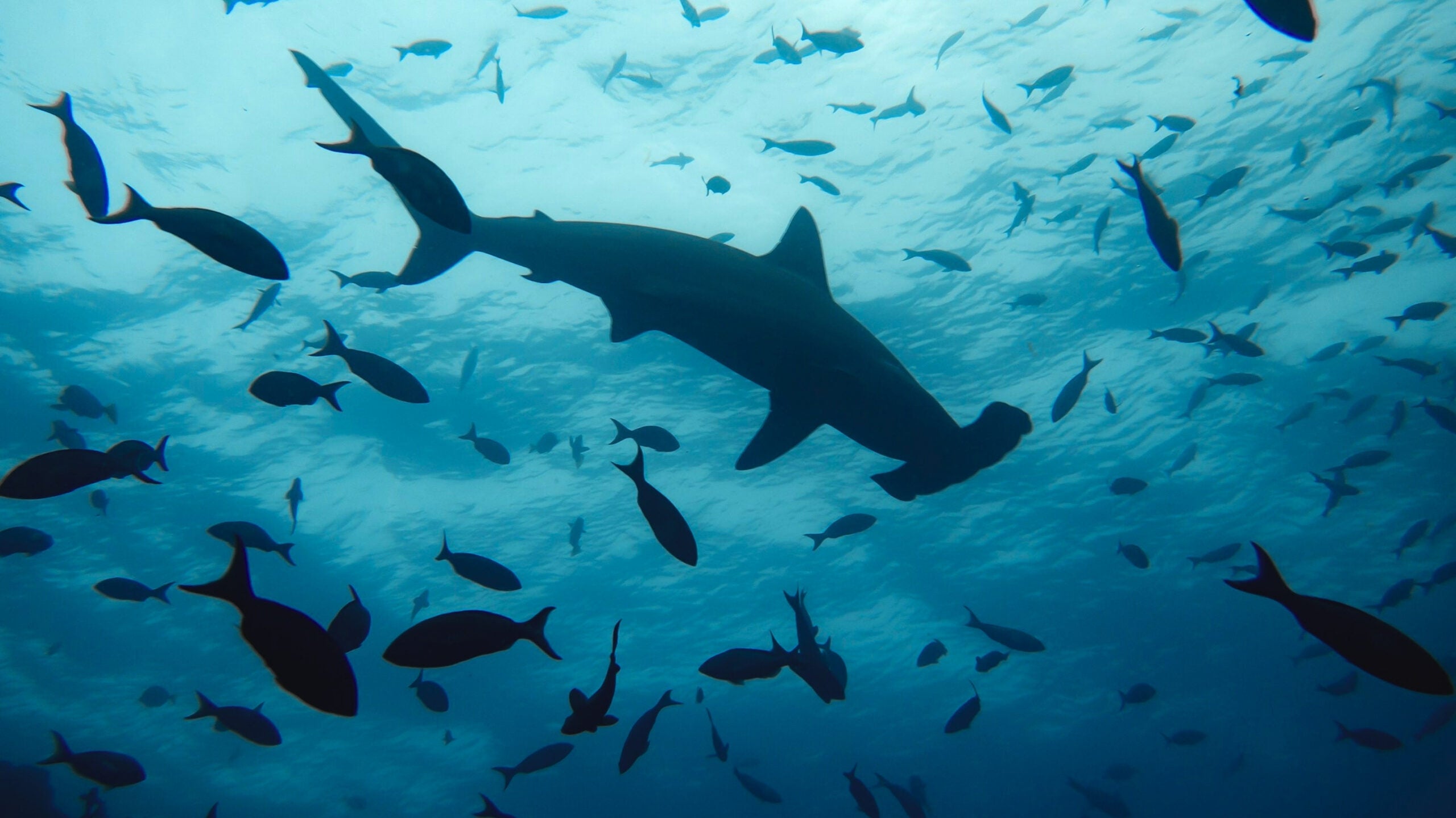
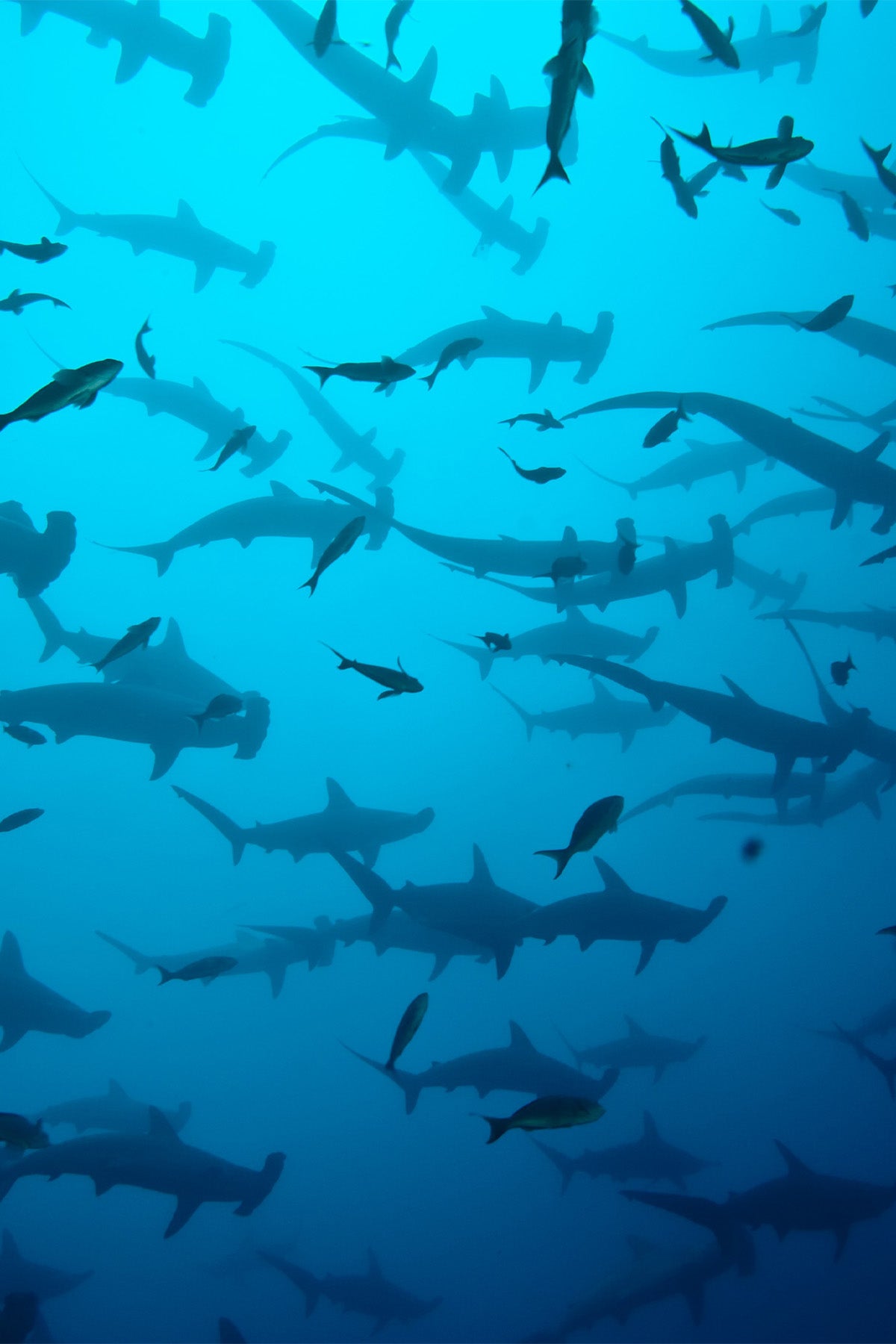
429 shark species haven't been documented in over a decade. Re:wild searches using eDNA, ROVs, and BRUVs with six global partners — turning each rediscovery into protected areas and recovery action.
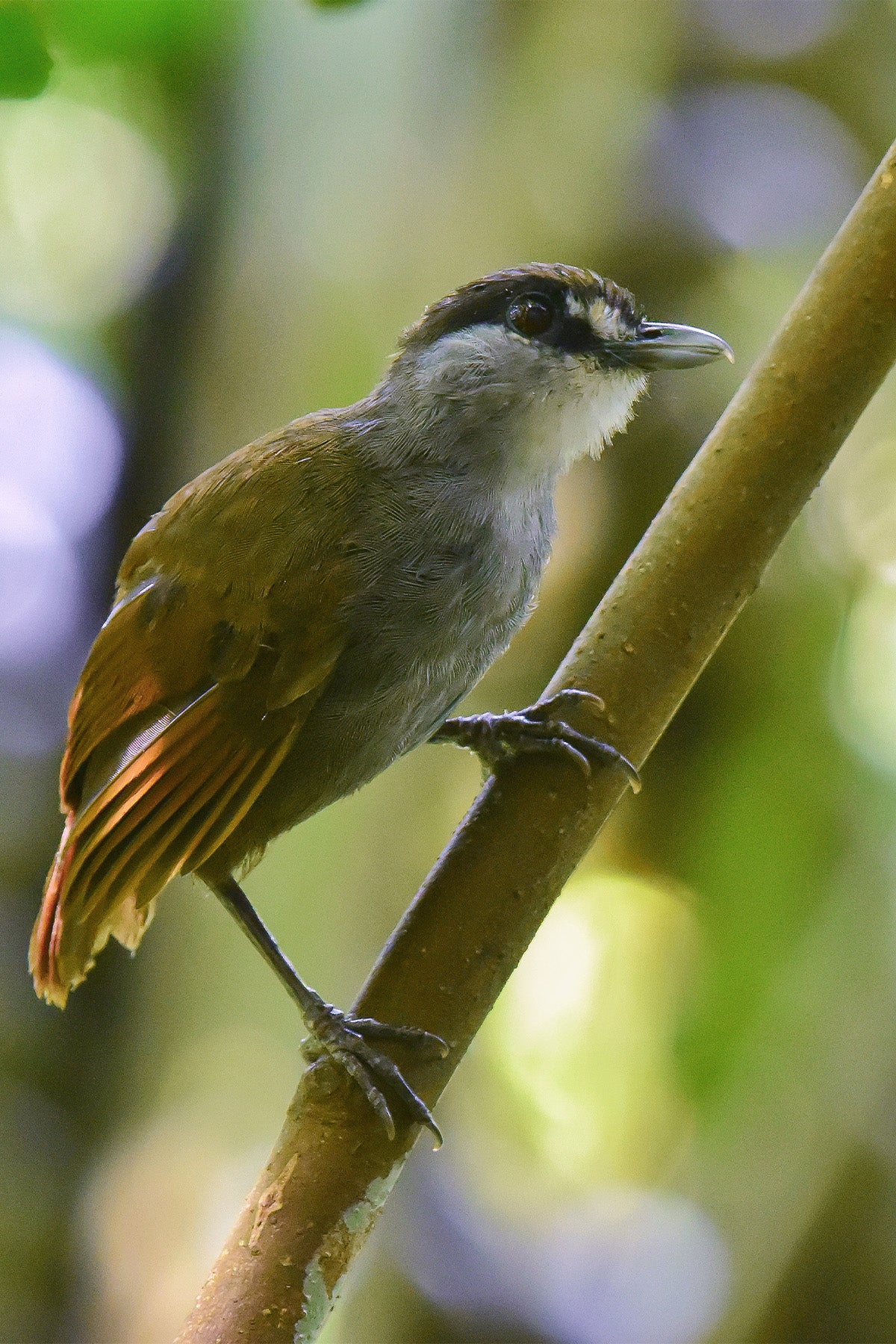
Key Biodiversity Area Pipeline
Key Biodiversity Area Pipeline
Re:wild's KBA Pipeline turns expedition data into designated protected areas — supporting local partners through every stage of the proposal process so no discovery goes to waste.
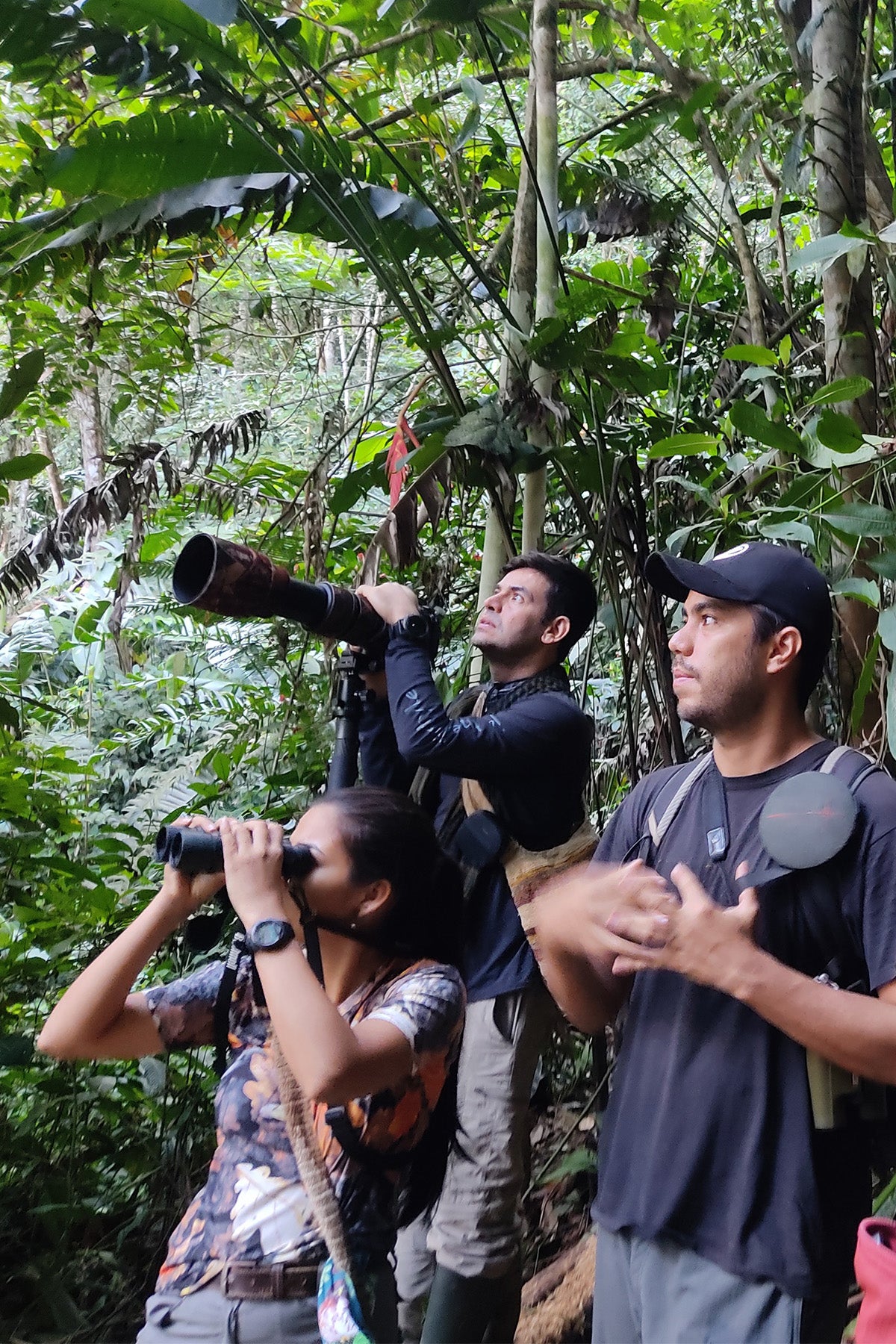
Inspiring the Public
Inspiring the Public
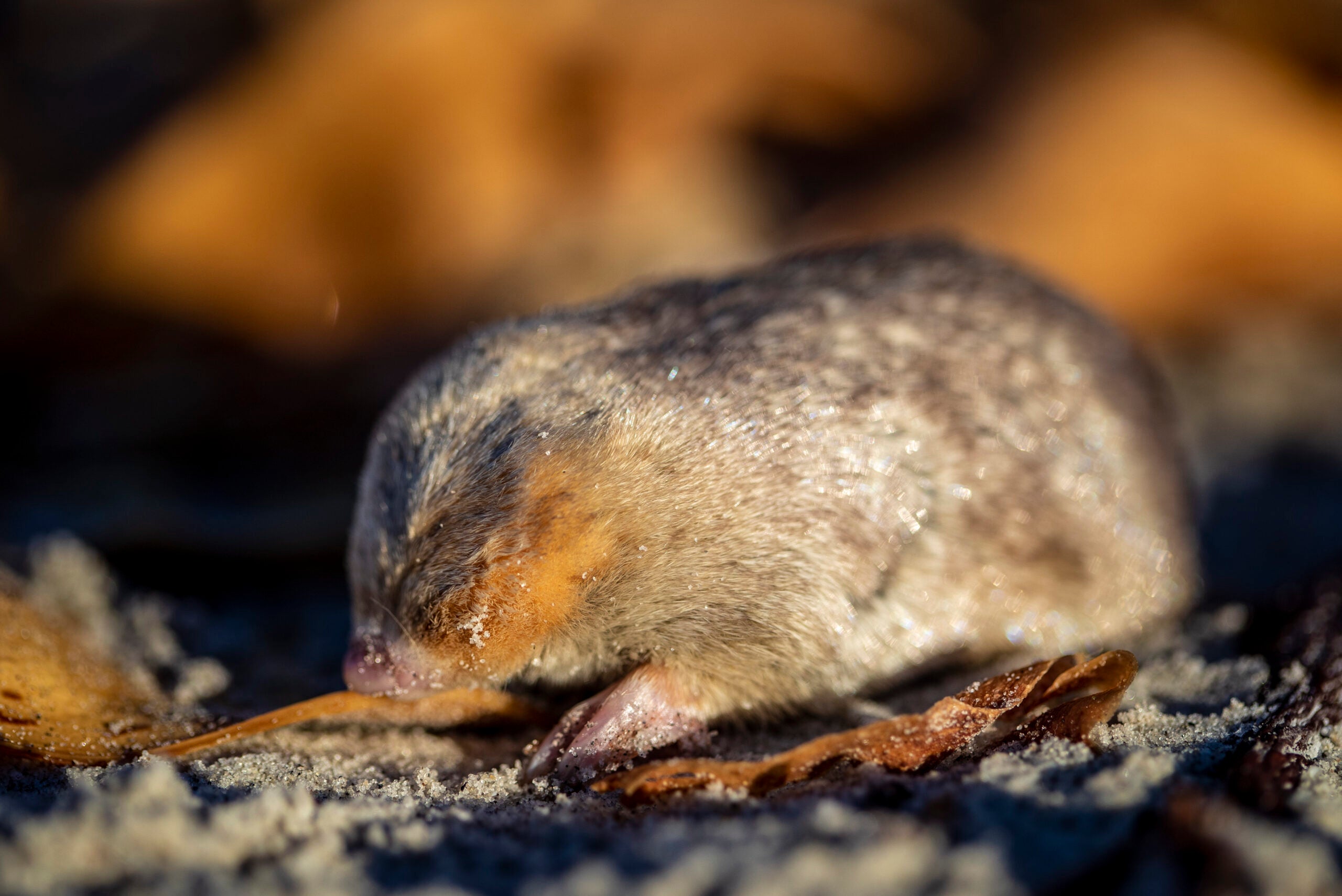
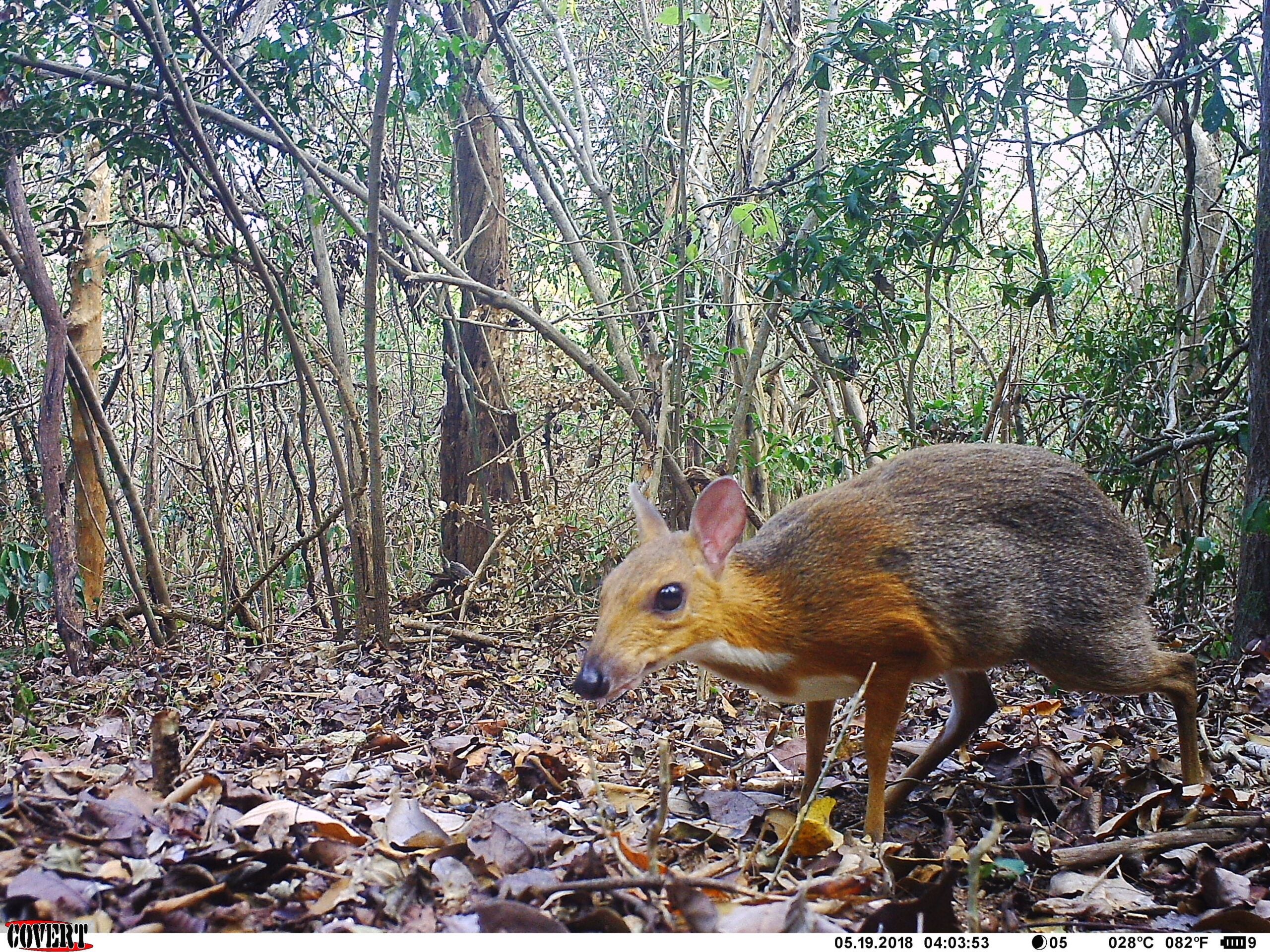
Re:wild turns rediscoveries into stories for film, press, and social media. Each narrative, from the rediscovery of Wallace’s Giant Bee to finding multiple populations of Silver-backed Chevrotain, has captivated audiences globally, resulting in an audience reach of at least 5.4 billion.
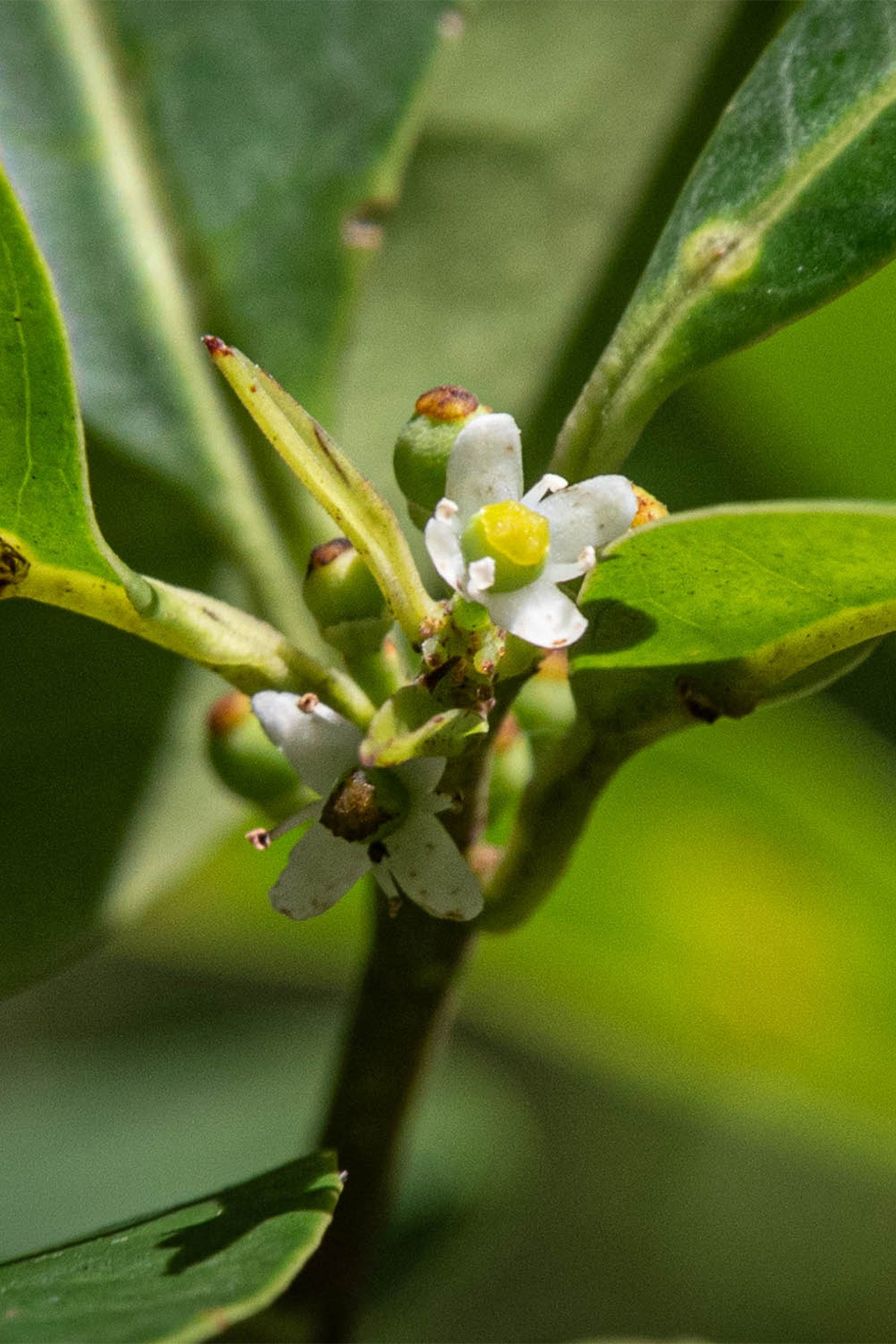
The Amazonian Exploration Initiative
The Amazonian Exploration Initiative
Re:wild works across Brazil, Peru, Colombia, and Ecuador — using canopy surveys, river eDNA, and satellites to generate the data Amazon protection demands
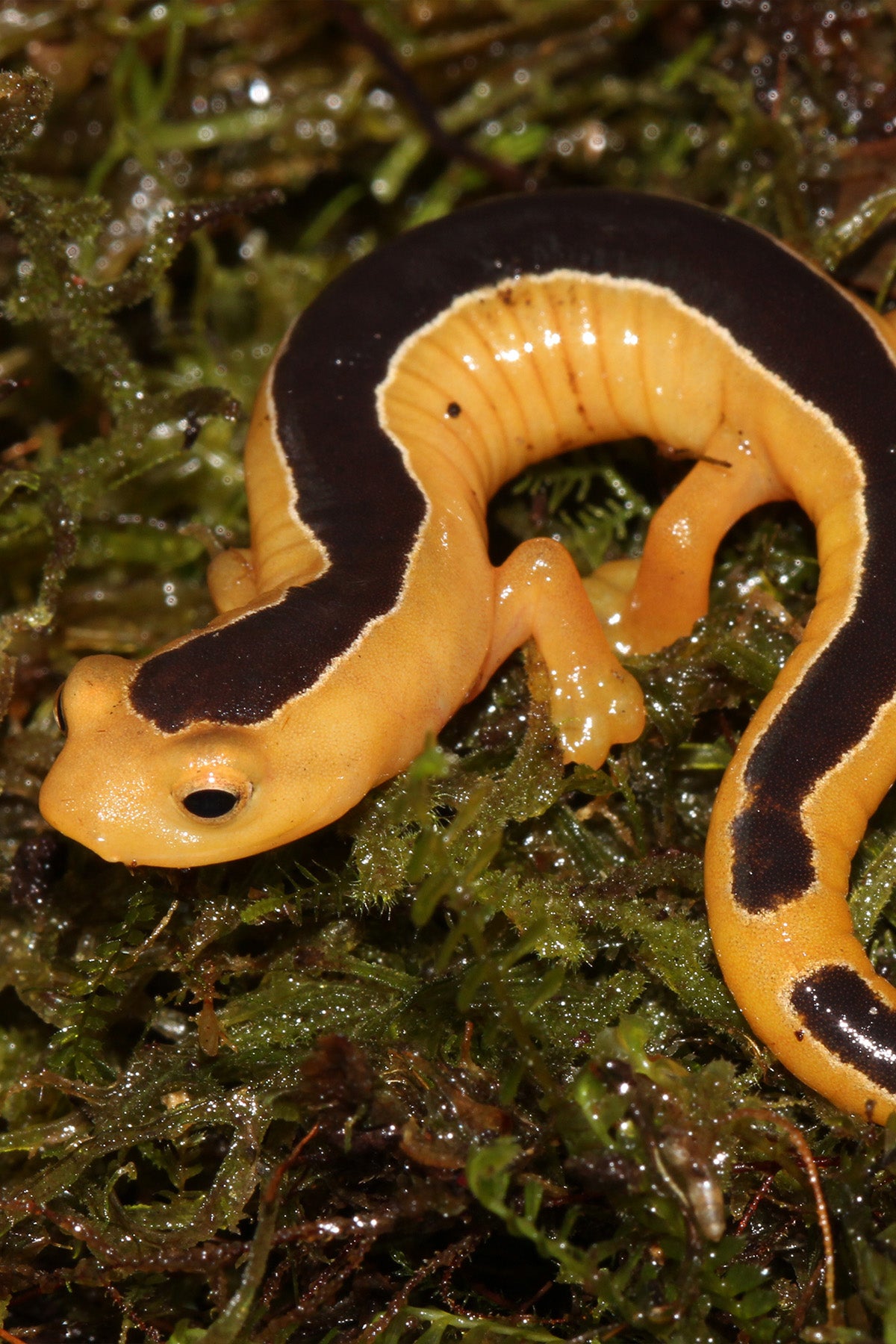
Amphibians Discovery Initiative
Amphibians Discovery Initiative
Re:wild and partners assessed 8,011 amphibians for the Red List — mapping where new species are likeliest. This initiative targets those regions with the Amphibian Survival Alliance and Amphibian Ark.
Projects
From Andean lakes to Papuan rainforests, these are the expeditions and surveys where Re:wild's Exploration Strategy is being put to work.
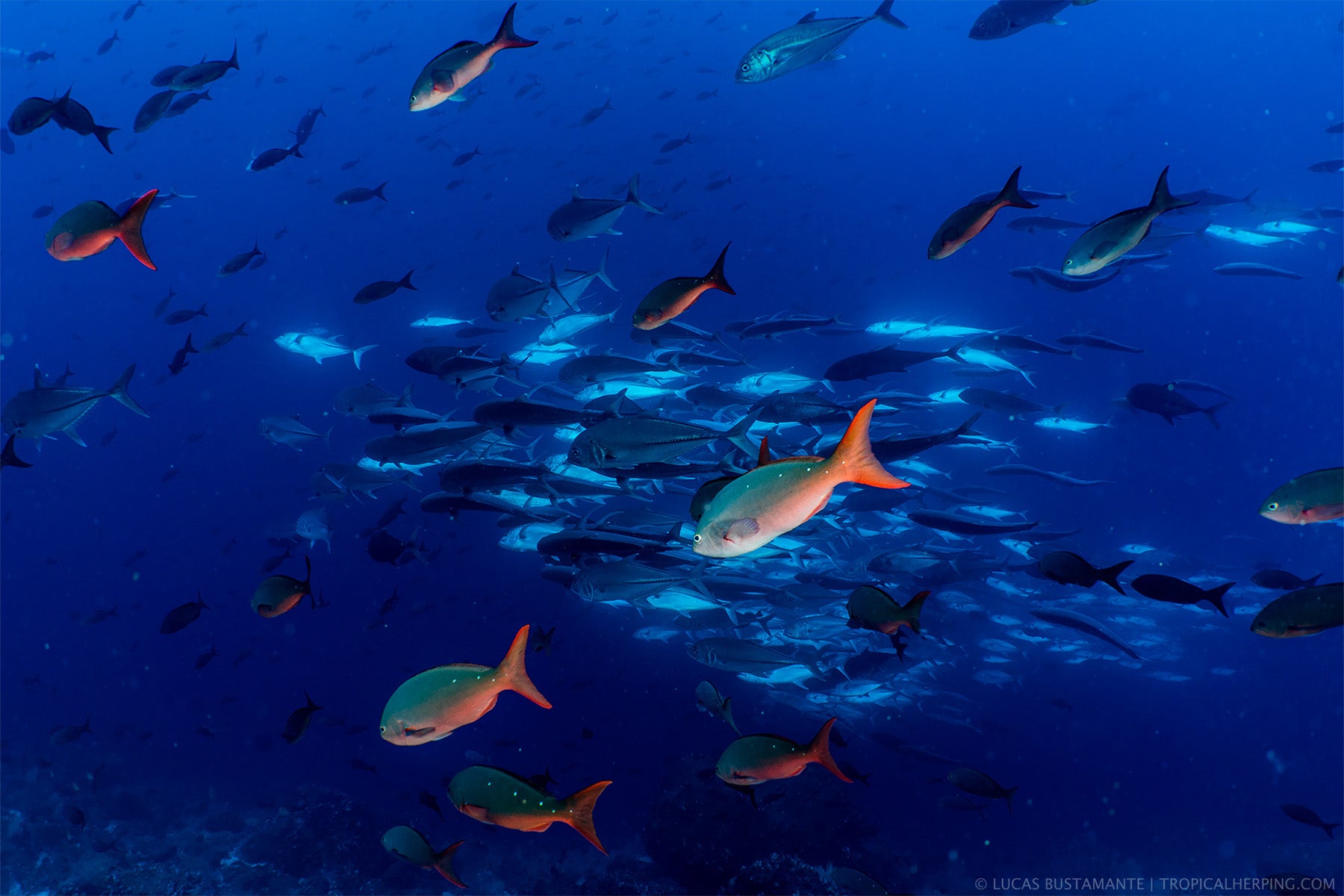
Searching for Lost Sharks — Indo-Pacific
Indo-Pacific
Of the 1,250 described shark species assessed by the IUCN Red List, 429 have not been documented in over a decade. The Pondicherry Shark, last sighted in 1979, is among Re:wild's Most Wanted. In collaboration with Save Our Seas Foundation, PADI Aware, and Mission Blue, Re:wild is deploying eDNA sampling, ROVs, and baited underwater video cameras across the Indo-Pacific to find this critically endangered species before time runs out. A discovery would unlock immediate protections such as Marine Protected Areas and stronger fishing regulations for the shark and its ecosystem.
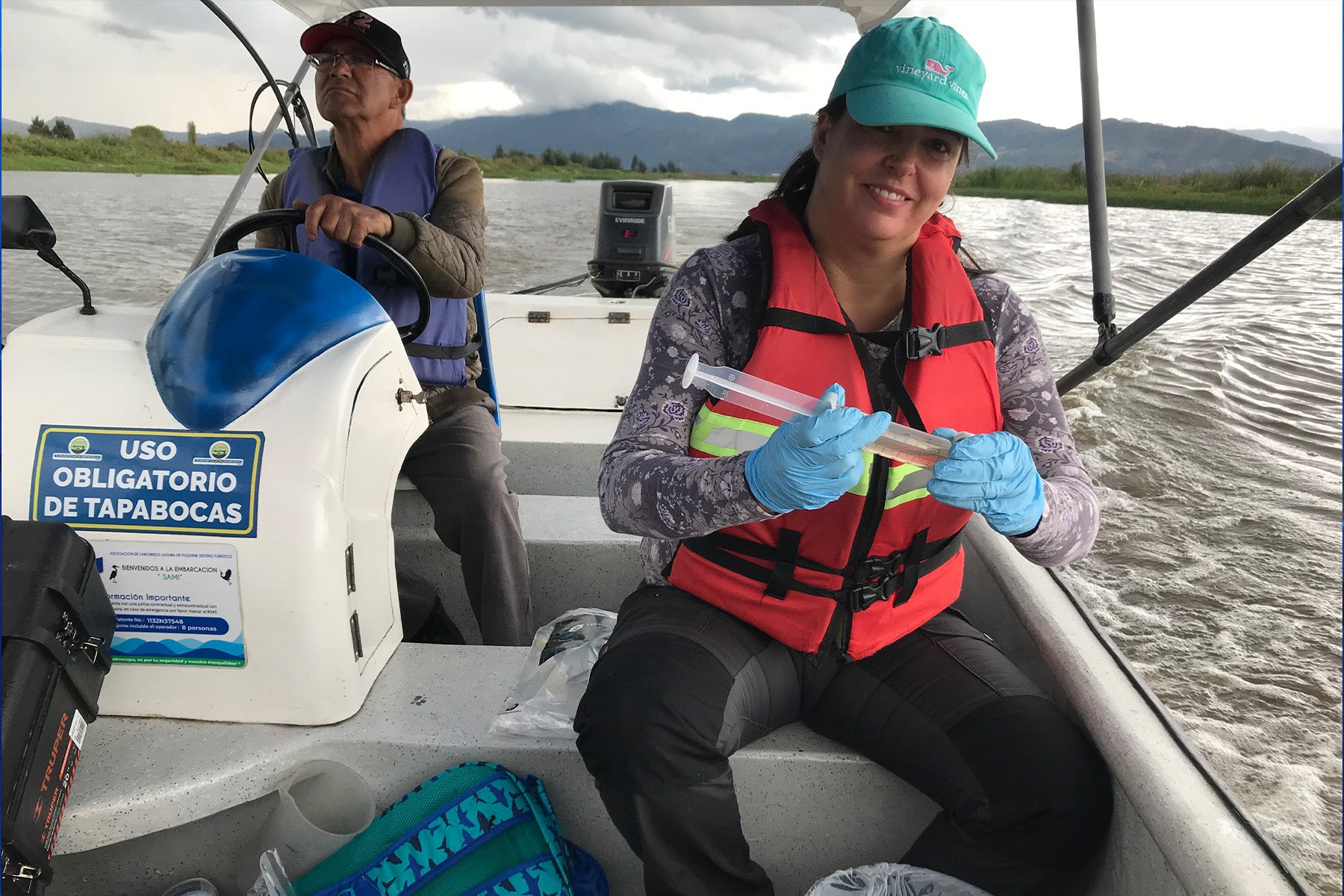
Fat Catfish and eDNA Technology — Lake Tota, Colombia
Lake Tota, Colombia
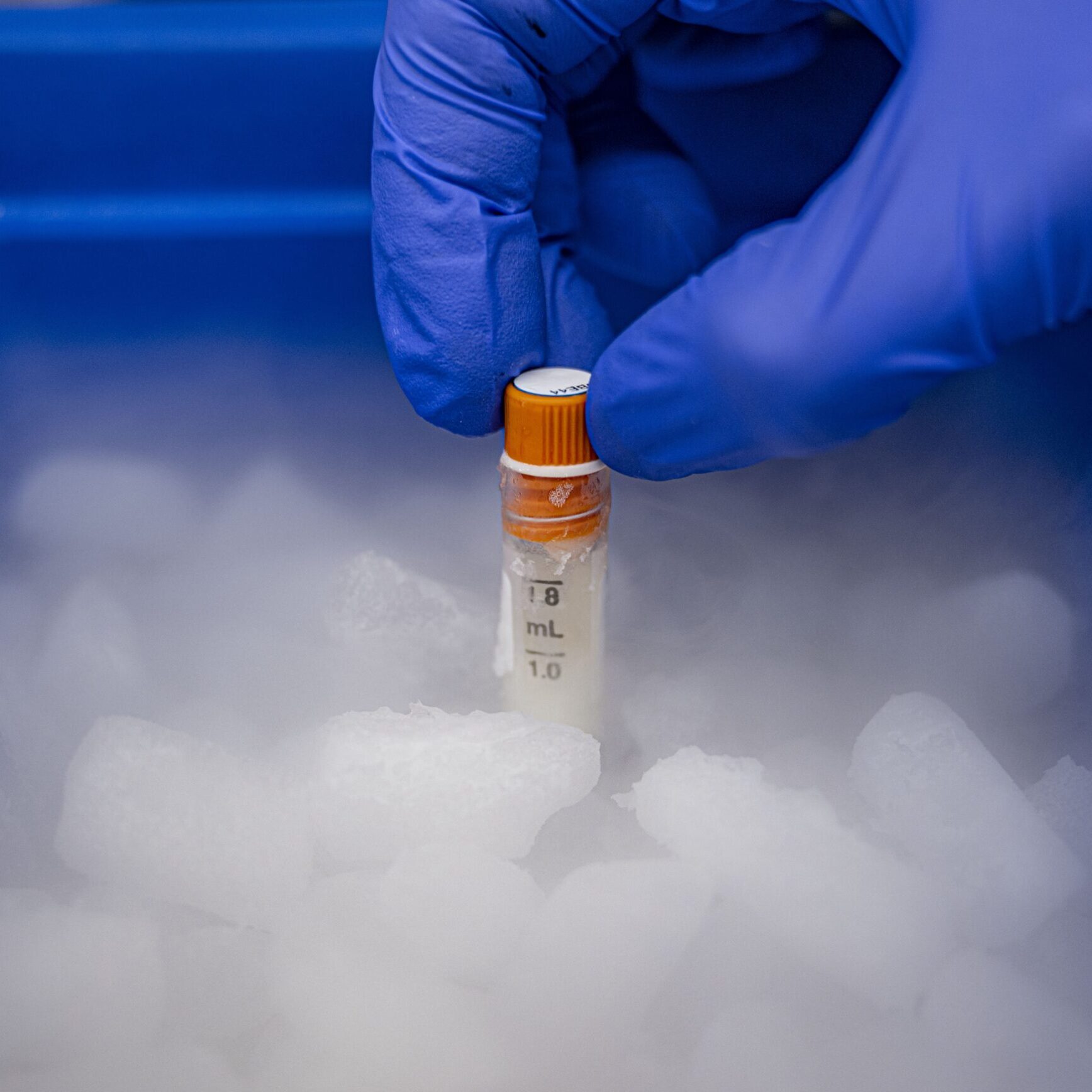
Once abundant in Lake Tota, the Fat Catfish now exists only as a few museum specimens. Since 2023, Re:wild has run five field expeditions with local authority Corpoboyacá, combining collection methods with environmental DNA sampling. Technology from Colossal Biosciences offers new hope for producing the species' genetic sequence, potentially confirming whether the Fat Catfish still survives. Whatever the outcome, the surveys will inform future water resource management for this critical Andean lake.
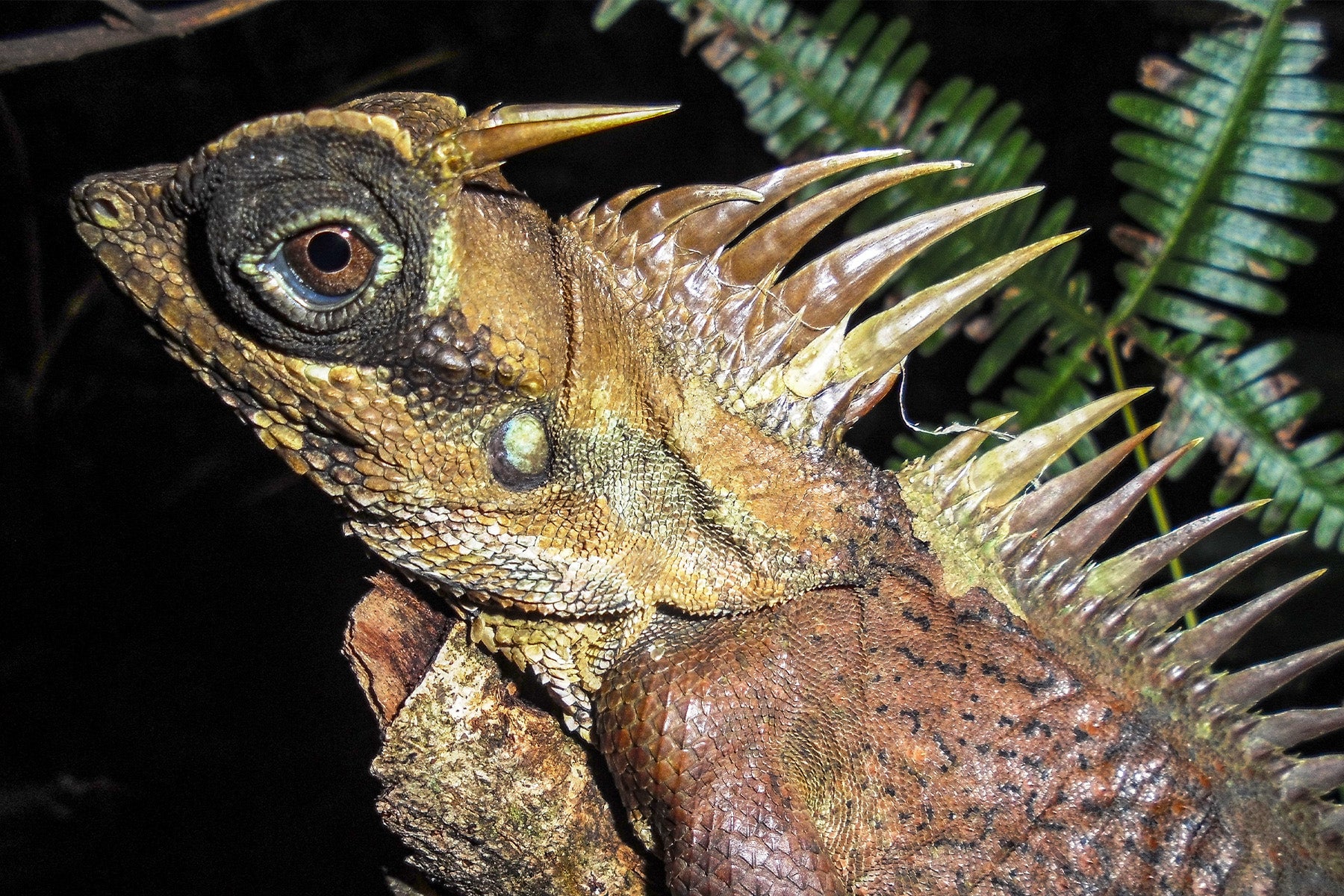
Protecting New Ground — Phou Ayon, Laos
Phou Ayon, Laos
Southeast Asia's biodiverse forests hold enormous potential for new discoveries and new protected areas. Re:wild's engagement in Phou Ayon, in collaboration with WWF-Laos, Wyss Foundation, and Rainforest Trust, is conducting an extensive feasibility study of this vast, remote forest block — combining camera-trapping across a wide habitat gradient with deep consultation with local communities. The goal: a comprehensive biodiversity data set and a compelling case for Phou Ayon's designation as a protected area.
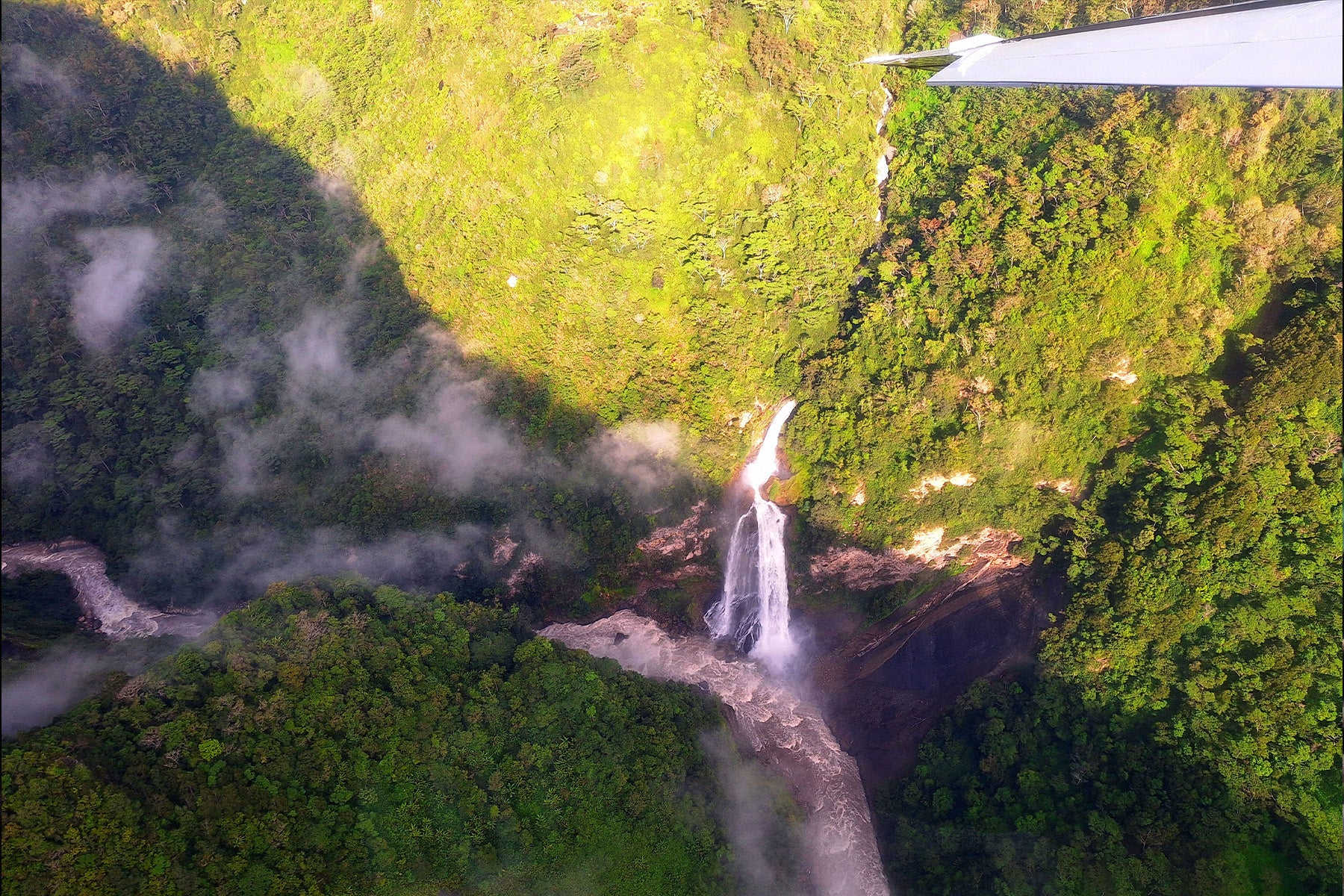
Assessing the Health of Forest and River Systems — Papua New Guinea
Papua New Guinea
The Pegunungan Cyclops Nature Reserve and Pegunungan Jayawijaya Wildlife Reserve in Papua hold some of the most unique biodiversity on Earth — and significant knowledge gaps remain. Re:wild works with local government agencies, Yappenda, and the University of Papua and Cenderawasih University to document the distinct flora and fauna, establish baseline ecological health data, and identify key threats. Indigenous Papuan stakeholders are central to the process — their knowledge contributing culturally grounded insights to both local conservation and the global monitoring discourse.
21 Species Rediscovered in a Single Expedition — Makira, Madagascar
Makira, Madagascar
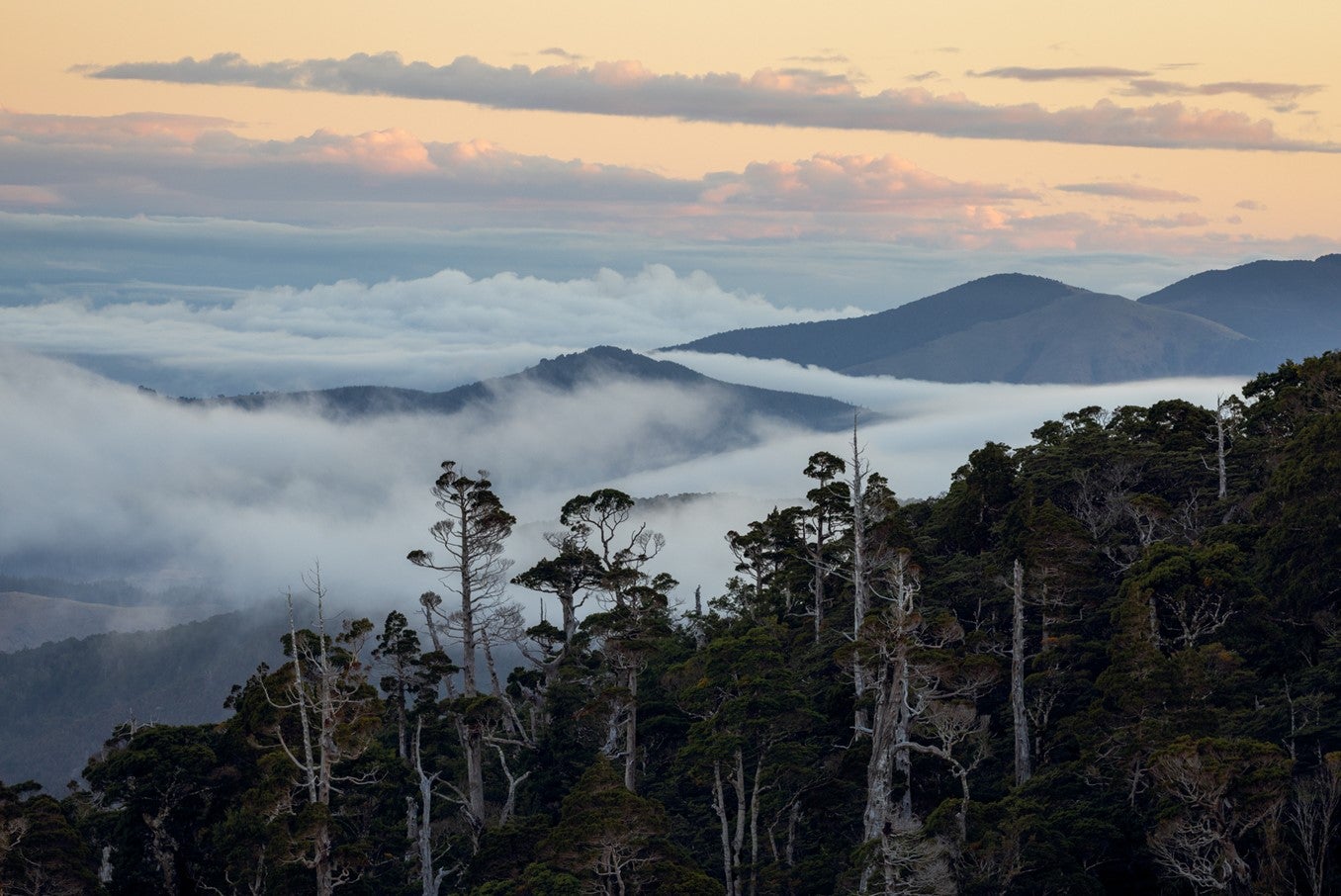
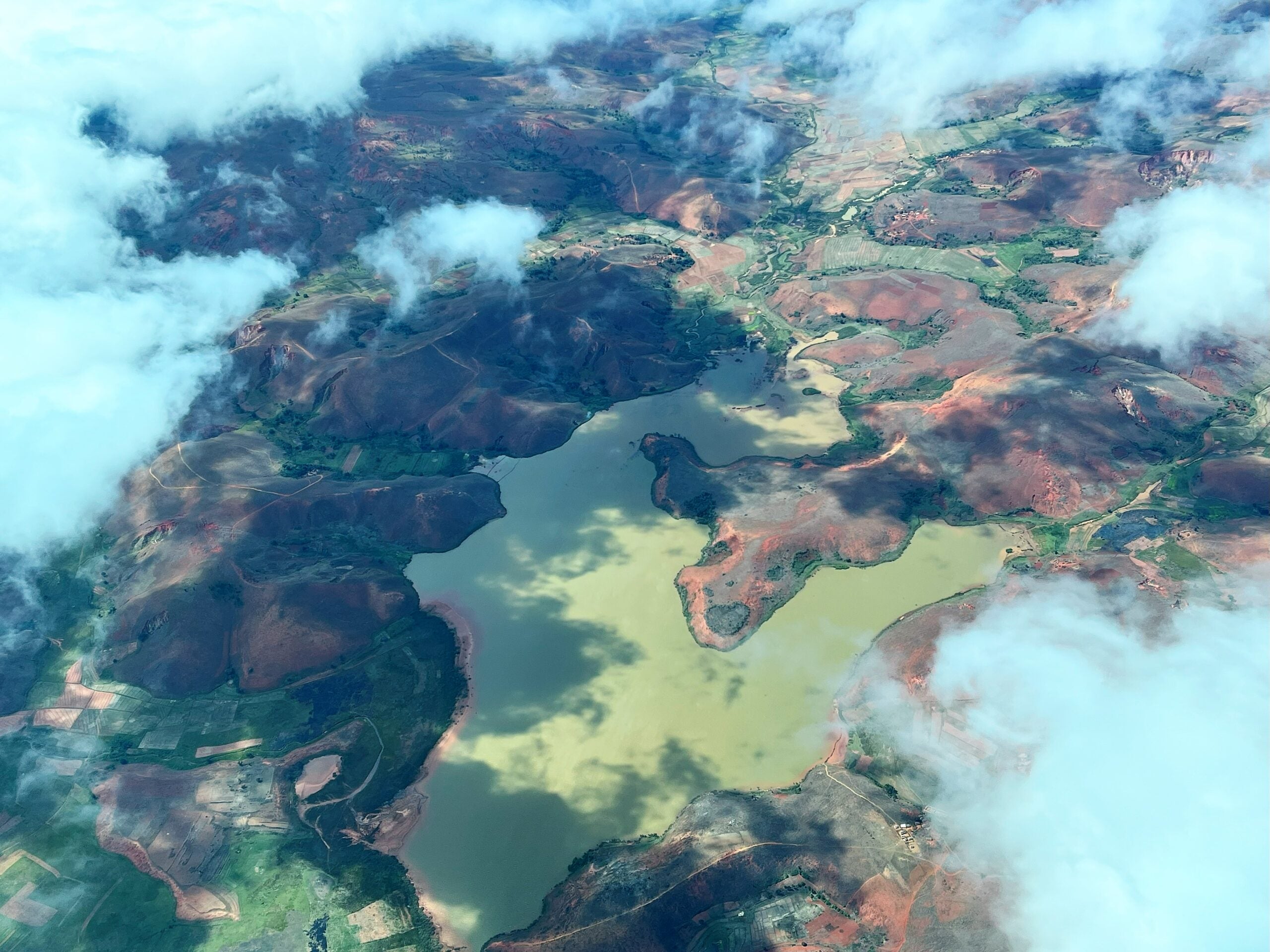
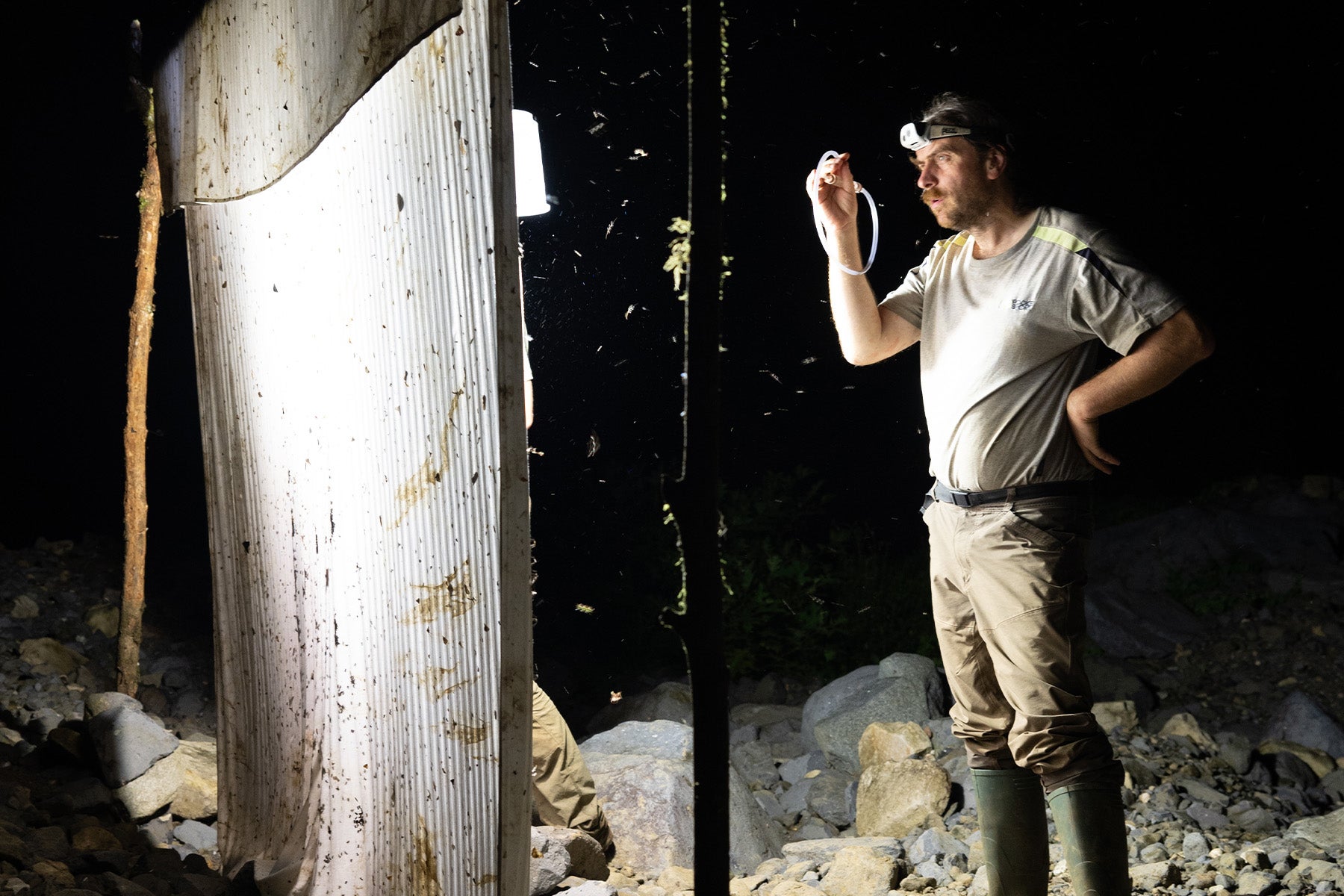
Makira Natural Park covers over 372,000 hectares of Madagascar's last intact rainforest but huge knowledge gaps remain, particularly among invertebrates. Re:wild assembled taxonomic experts from American Bird Conservancy, Wildlife Conservation Society, and Biodiversity Inventory for Conservation (BINCO) for a rapid multi-taxon biological inventory. 21 lost species were rediscovered and dozens of new species described in a single expedition. Scientific papers are under review and the data is already feeding critical IUCN Red List updates.
Lost Species Metrics - Worldwide
Worldwide
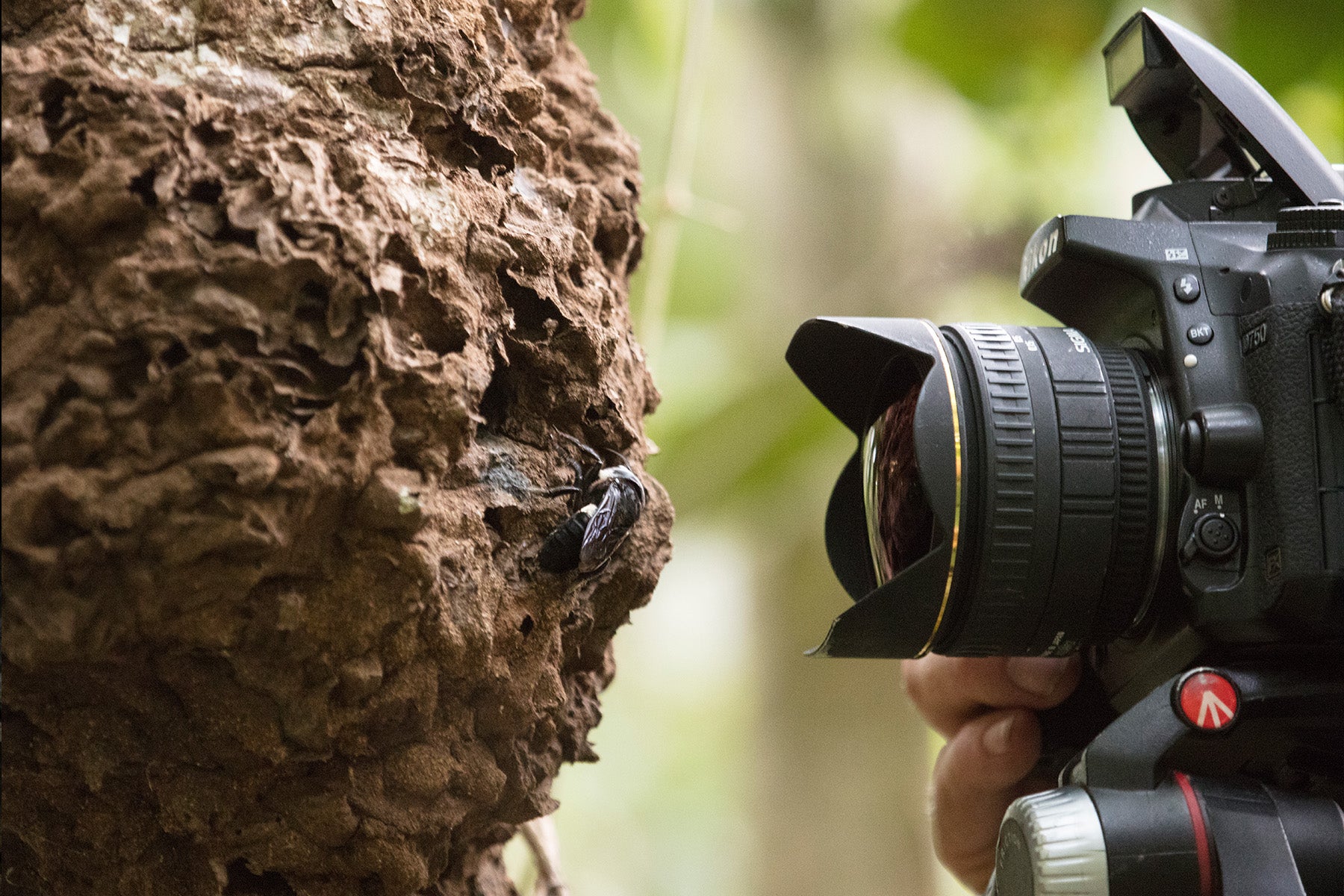
Re:wild works with IUCN SSC Specialist Groups and in-country taxonomists to build comprehensive, publicly available lists of lost species — all taxa, all metadata, published annually in a permanent data repository. From these lists, Re:wild sources distribution data and develops heat maps of search priority that direct expeditions to where they're most needed. The goal: an open, replicable system that enables any organisation or researcher anywhere in the world to undertake their own lost species searches.
Partners
Re:wild's Exploration Strategy runs on collaboration. These are the partners whose expertise, technology, and networks help us go further and find more than any of us could alone.