Re:wild x Colossal
Where conservation and cutting-edge technology combine
A partnership for a wilder world
Watch the Videoopens in new tabBetter : Together
We are using cutting-edge technology to protect and restore the most ancient technology that keeps our planet going: the wild.
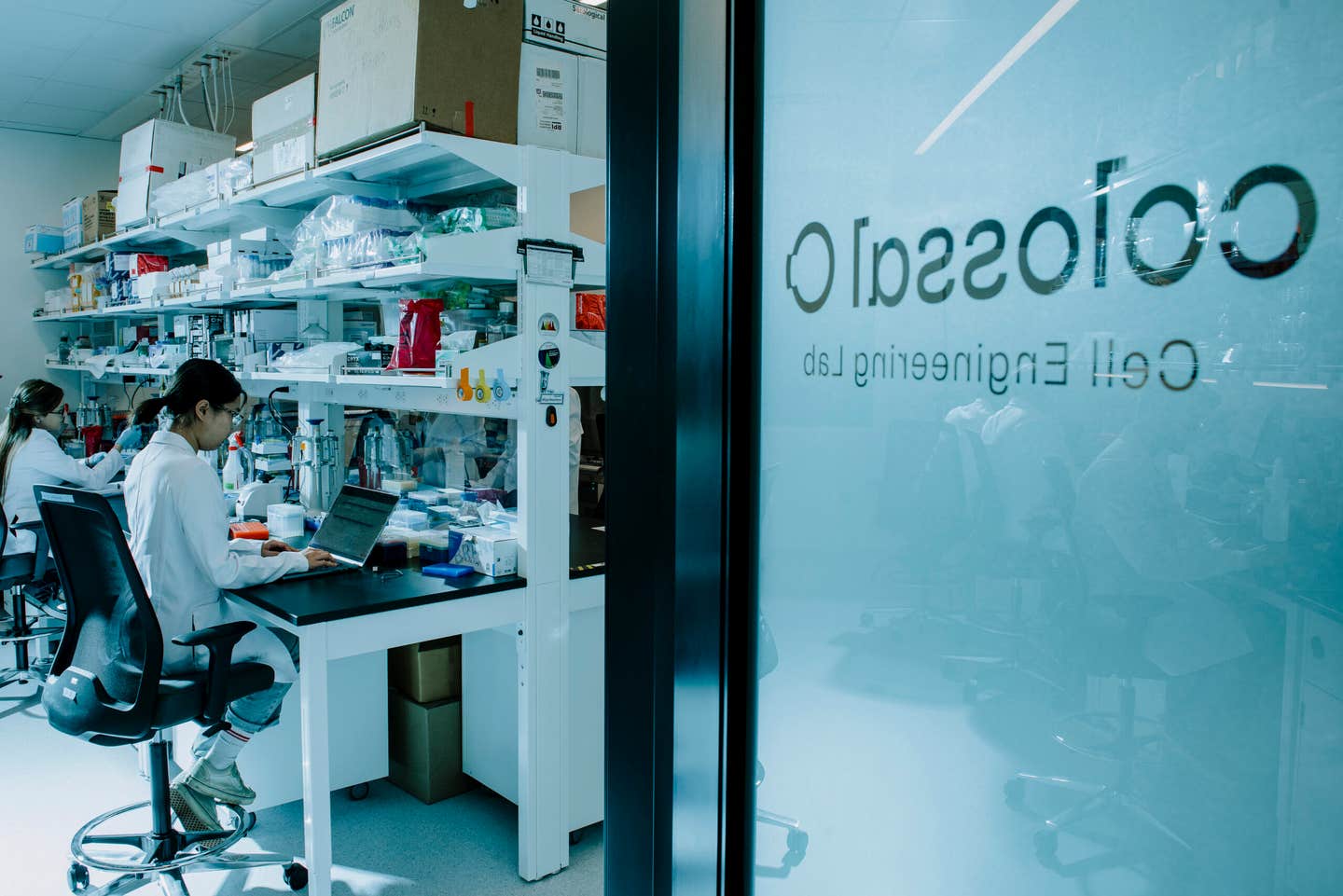
Where conservation and cutting-edge technology combine
Explore the TechToday we're working together, and with local partners, to protect and restore:

African and Asian Elephants

Black Lion Tamarins

Bolson Tortoises

California Condors

Golden Skiffia

Harlequin Toads

Northern Rhinos

Northern Quolls

Pink Pigeons

Red Wolves

Saola

Sumatran Rhinos

Tasmanian Devils

Vaquita

Victorian Grassland Dragons

Vietnam Pheasant
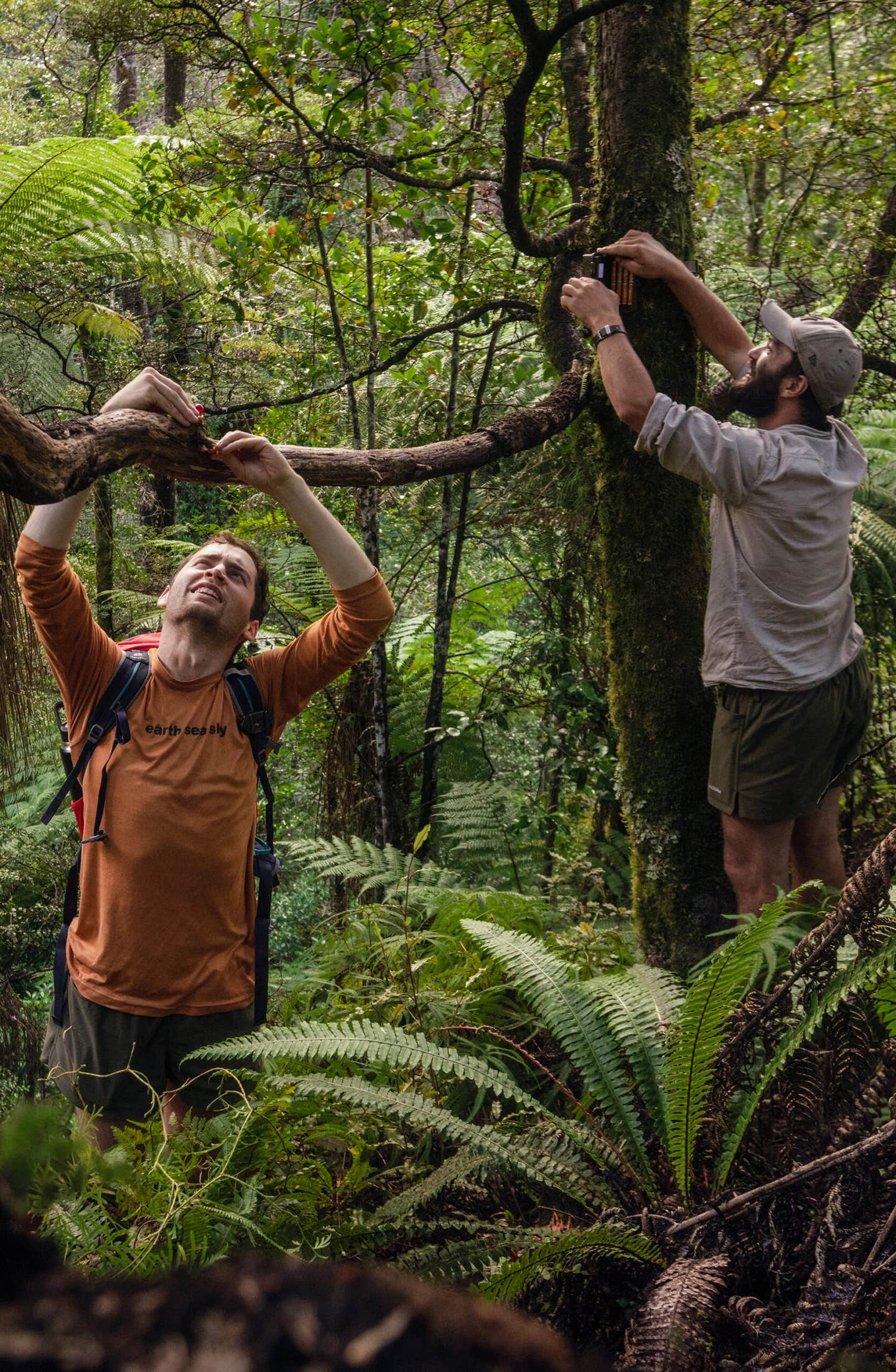
We cannot help restore species and protect their habitats unless we know where they are – and that they still exist.
Search for Lost Species
Together we are...
Re:wild will advise Colossal on the ecological feasibility of introducing re-built de-extinct species to their native ecosystems, while governments and other experts will advise on the legal, social and ethical feasibility. All of this work will be done in close collaboration with local communities, governments, organizations and Indigenous peoples.
Advancing Conservation Breeding
Supporting or creating conservation breeding programs with local partners to utilize Colossal’s de-extinction technologies to help Endangered and Critically Endangered species, and support their reintroduction into the wild.
Reintroducing Threatened Species
Supporting local partners to reintroduce more than 30 threatened species back to their native ecosystems as part of a new species reintroduction fund.
Searching For Lost Species
Supporting local conservationists in the search for at least 50 lost species — species that have not been documented in 10 or more years, but could still exist. Colossal is a key supporter of Re:wild’s Search for Lost Species program.
Restoring Vital Ecosystems
Working with local partners and governments to restore at least three key sites.
Frequently Asked Questions:
How did Colossal and Re:wild connect?
Do we need this technology to stop biodiversity loss?
How long will this all take? When will we start seeing the impacts of this technology on the planet?
Bringing back species from extinction seems audacious! Is this really possible?
How do you select which species on the brink to work on together?
Colossal has already engaged local partners and is helping conservation breeding efforts for the Northern White Rhino, Asian Elephant, African Forest Elephant, African Savanna Elephant and the Victorian Grassland Earless Dragon.
Since its founding, many of Re:wild’s conservation efforts have focused on threatened and little-known species, as well as restoring sites in Asia, Africa, Oceania, the Caribbean, and South America.
In 2020, Re:wild, Aussie Ark and WildArk, reintroduced Tasmanian Devils to mainland Australia. It was the first time the species was back on the mainland since 3,000 years ago. Re:wild also supports efforts to protect and restore Endangered species in Australia, such as the Eastern Quoll, and the Manning River Turtle.
In Africa, Re:wild works with partners that are protecting critical habitats for elephants and rhinos from Virunga National Park, to the Okavango River Basin, to the Zambezi River Valley.
Re:wild supports efforts led by the government of Indonesia to protect Sumatran Rhinos and move individuals living in isolation from each other to conservation breeding centers.
As the partnership progresses, we expect the number of species on the brink we will work to rewild will grow.