A Planet on the Brink

Re:wild x Colossal

We are at risk of losing more than 1 million species to extinction.

Biodiversity loss is occurring at an unprecedented rate and the climate is reaching a tipping point. While we know that traditional conservation efforts work effectively, we need every possible tool to scale up the protection and restoration of the planet.
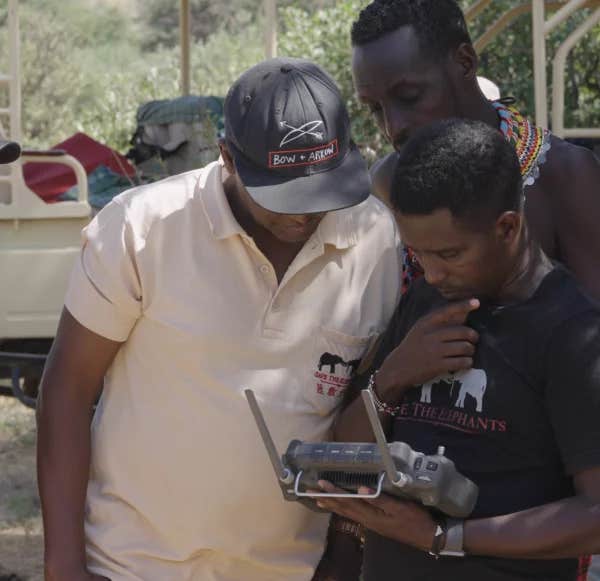
people looking at a device in the field

Enter Colossal + Re:wild

Colossal is developing de-extinction technology to bring back the iconic Thylacine, Dodo and Woolly Mammoth from extinction as re-built de-extinct species.

By deploying Colossal’s innovative and game-changing technology and combining that with Re:wild’s extensive experience working with local partners to restore and protect the planet, we’ll be able to save species on the brink of extinction more rapidly than with current conservation efforts alone.
Explore the Tech

“For some Critically Endangered species, this technology may be the last best hope for their survival. For many others, this technology may be the difference between merely surviving and actually thriving.”

- Barney Long, Re:wild Senior Director of Conservation Strategies
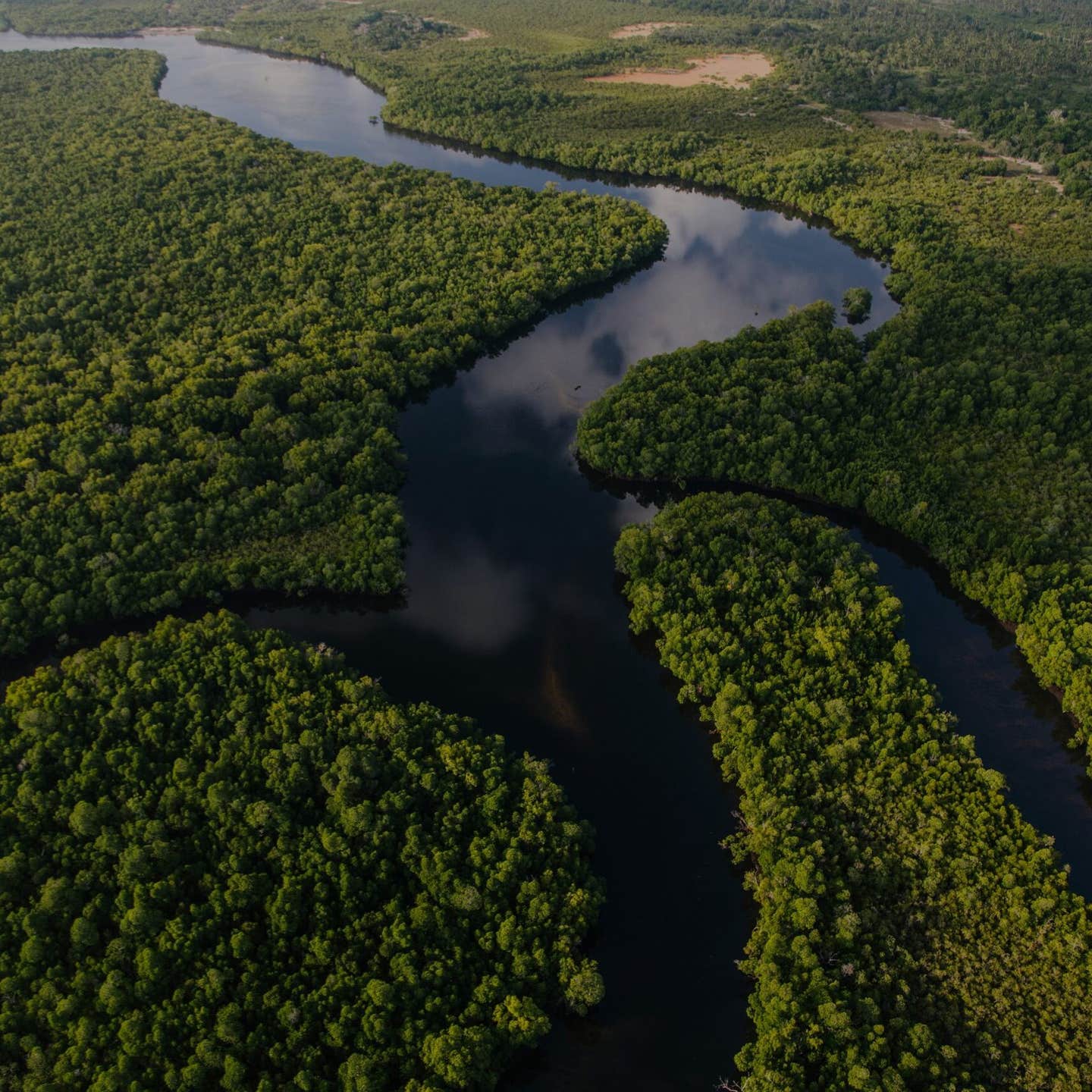
Restoring species is a nature-based solution that helps capture carbon.

We know that restoring species to their natural habitats is a critical nature-based solution to the interconnected biodiversity loss, climate change, and human wellbeing crises.

Research shows that protecting and rewilding even a small, targeted group of wildlife species would help facilitate the capture and storage of enough carbon to contribute towards the goal of keeping the global rising temperature below the 1.5-degree Celsius tipping point.
Learn Moreopens in new tab

Species our work supports

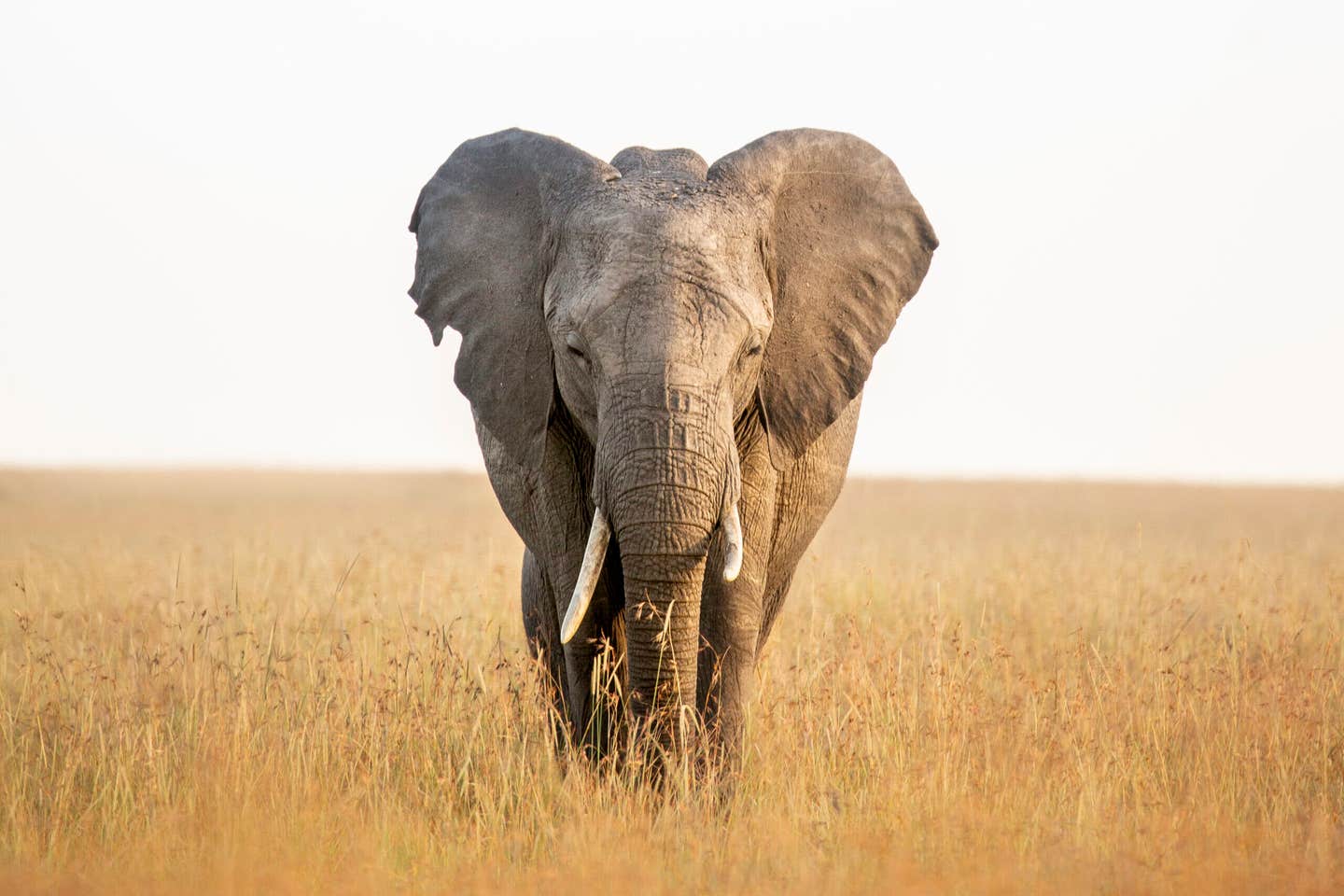
Asian and African Elephants
From developing an Elephant Herpes Virus vaccine, to understanding the genetic diversity of these species, to using AI technology to understand elephant movement and behavior and reintroduce orphan elephants to the wild, we are working on multiple elephant conservation initiatives.

As part of their de-extinction work for the mammoth, Colossal has achieved the world's first elephant iPSC (induced pluripotent stem cell), which is a foundational technological step toward unlocking the potential of elephant biobanks and can provide us with a pathway towards leveraging synthetic biology tools for elephant conservation.

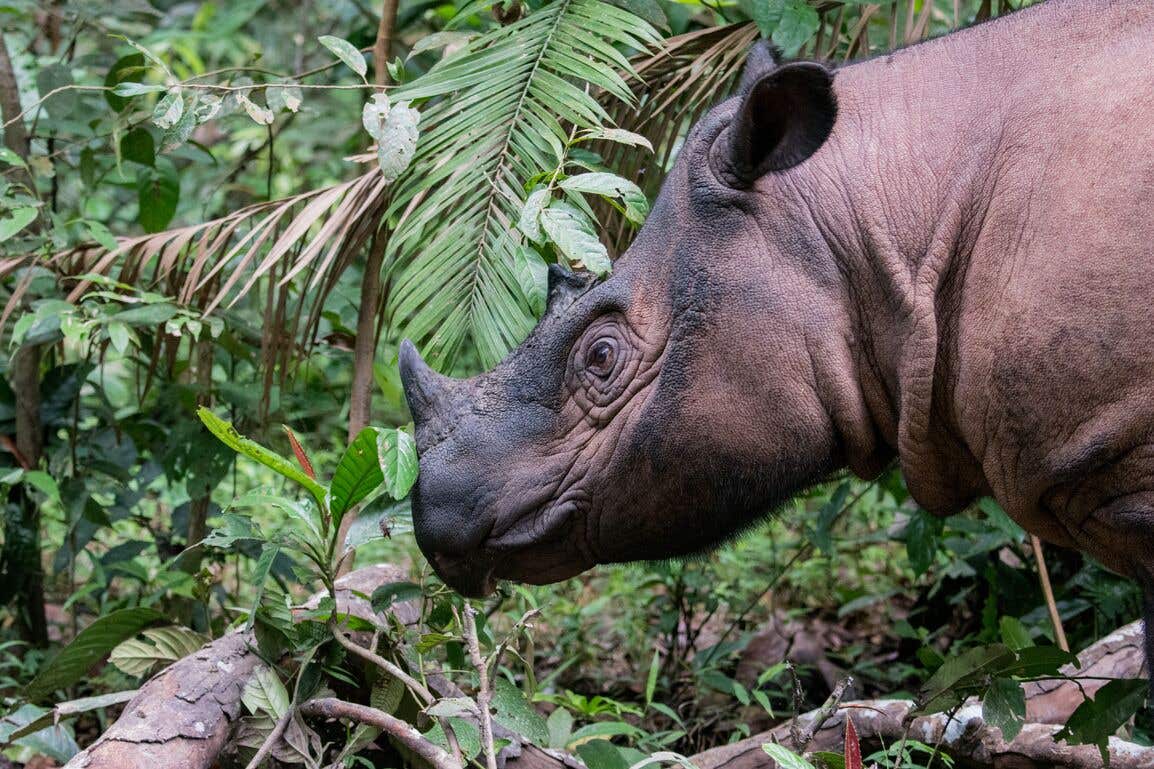
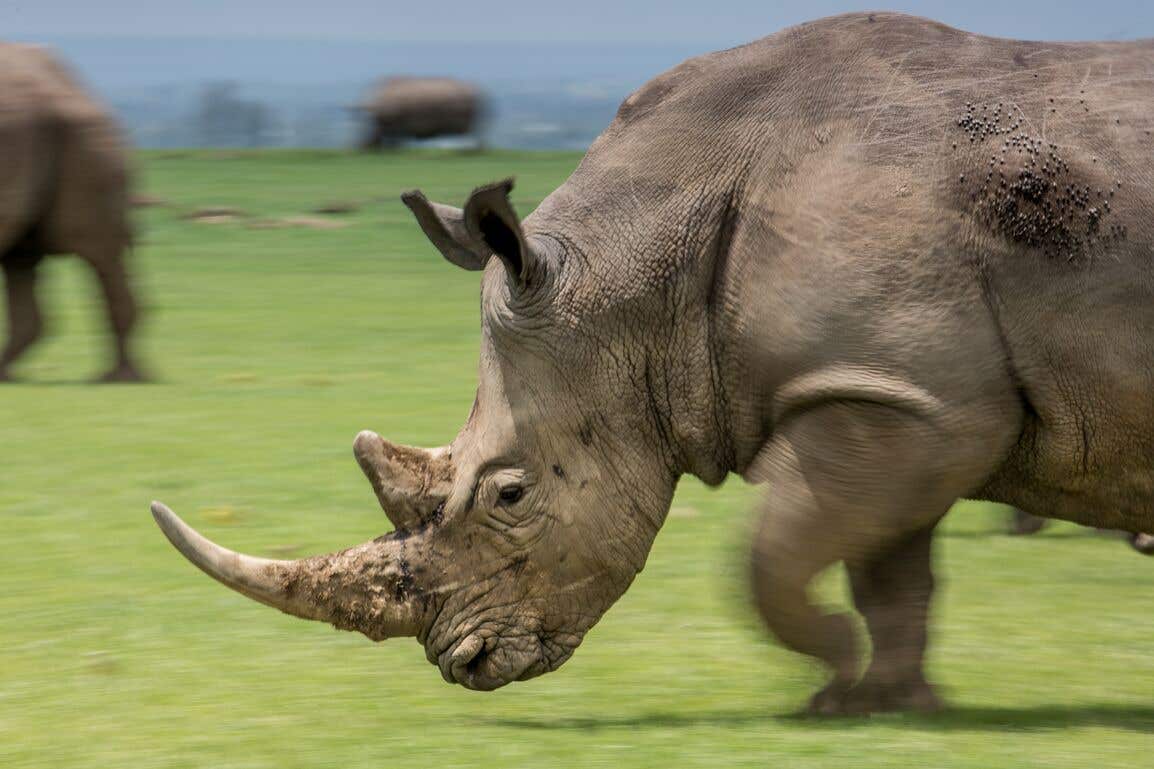
Northern White Rhinos

Colossal is working hand-in-hand with BioRescue's dedicated international team to employ genetic engineering technologies in a crucial genetic rescue mission. This effort includes sequencing all available historic Northern White Rhino genetic material to identify lost genetic diversity.

With this information, we can restore lost diversity by leveraging gene-editing techniques in future Northern White Rhino cell lines, thereby restoring a genetically resilient population of this rhino species.

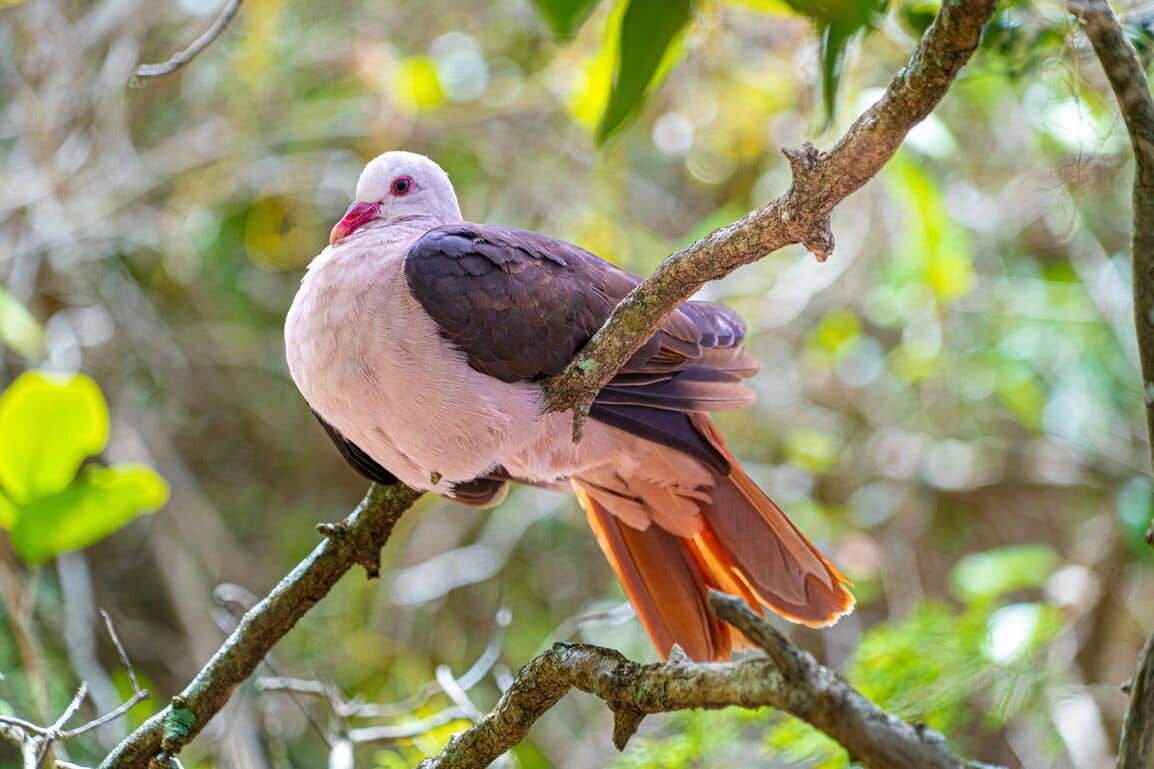
Pink Pigeons

Colossal is a proud partner and supporter of the Mauritian Wildlife Foundation’s efforts to restore the native flora and fauna in key ecosystems of Mauritius and its isles. These efforts will have a cascade of ecological benefits for all Mauritian species. Additionally, we will collaborate with the Mauritian Wildlife Foundation in the genetic rescue of the Pink Pigeon.

By sequencing historical samples from museums and private collections, we can identify lost genetic diversity not represented in the current population and leverage breakthroughs in gene editing and assisted reproductive technologies to restore this crucial diversity. Re:wild will be providing ongoing expertise and advice on this project.

Pink Pigeons

Colossal is a proud partner and supporter of the Mauritian Wildlife Foundation’s efforts to restore the native flora and fauna in key ecosystems of Mauritius and its isles. These efforts will have a cascade of ecological benefits for all Mauritian species. Additionally, we will collaborate with the Mauritian Wildlife Foundation in the genetic rescue of the Pink Pigeon.

By sequencing historical samples from museums and private collections, we can identify lost genetic diversity not represented in the current population and leverage breakthroughs in gene editing and assisted reproductive technologies to restore this crucial diversity. Re:wild will be providing ongoing expertise and advice on this project.

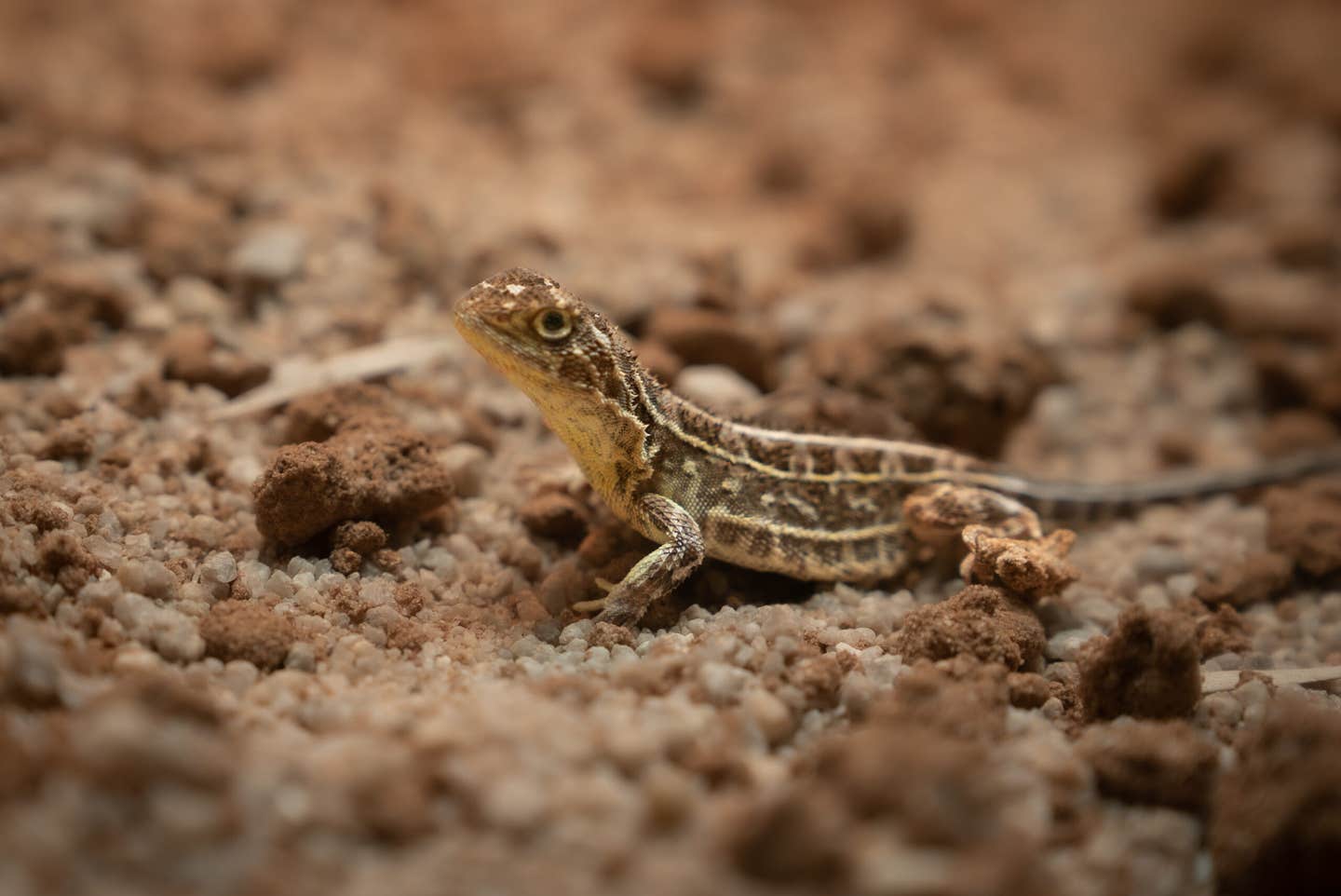
Victorian Grassland Earless Dragon

Colossal has teamed up with Zoos Victoria to create an interim insurance and conservation breeding program at the Melbourne Zoo for these dragons, which had been lost to science since 1969 and rediscovered in 2023.

The partnership also includes initial funding for the fit out of interim quarantine housing and care for the dragons, and, in collaboration with other partners such as Museums Victoria Research Institute, sequencing the genome of the rediscovered dragons and mapping the genetic relatedness of individuals to inform conservation breeding. Re:wild will be providing ongoing expertise and advice on this project.

Tasmanian Devil

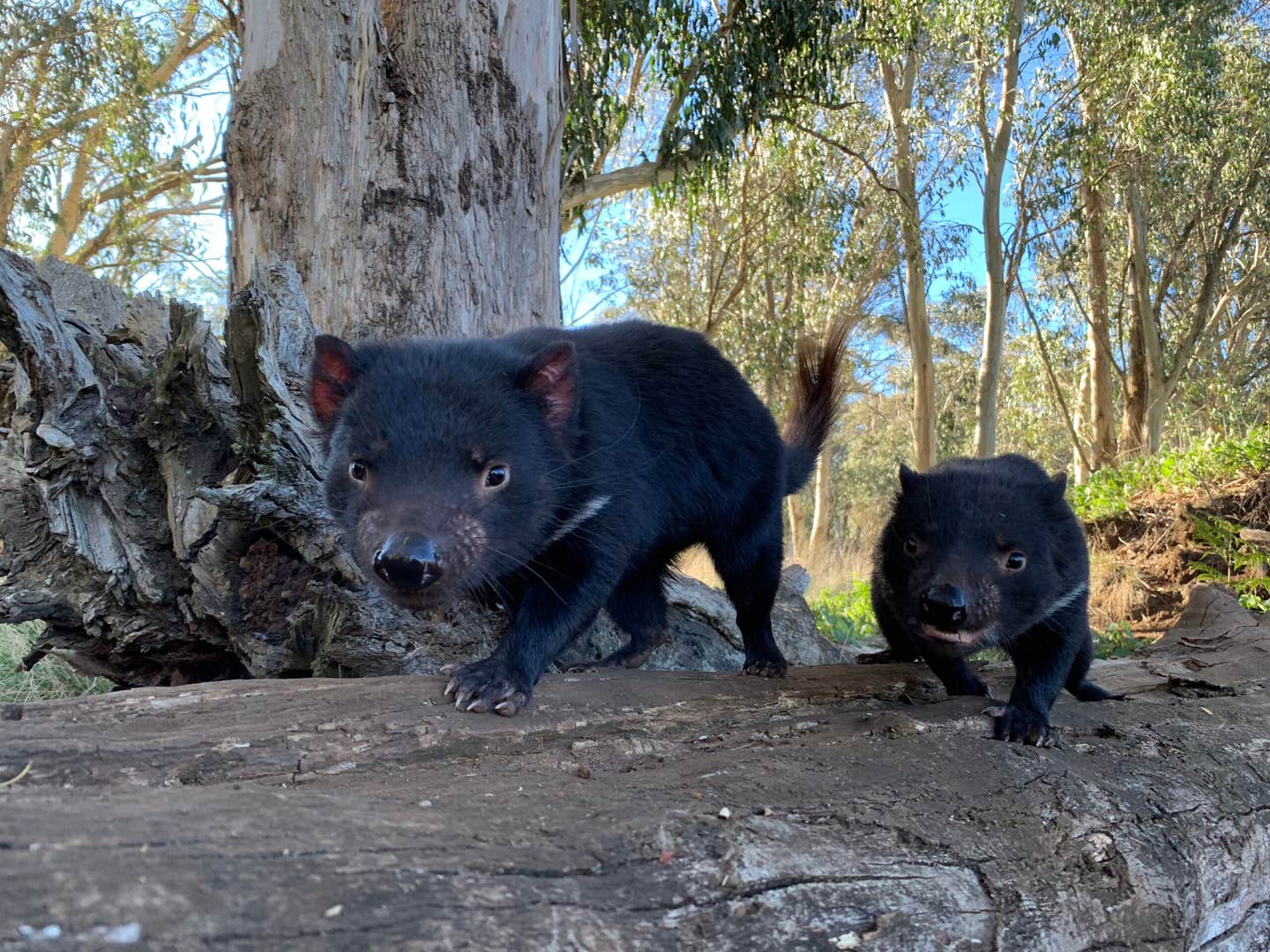
Colossal, Re:wild and our partners at Aussie Ark are collaborating to return the iconic Tasmanian Devil to the Australian mainland. Together, we will collaborate to restore habitat at Barrington Tops for the eventual rewilding of these carnivorous marsupials and other species.

Additionally, Aussie Ark will work with Colossal to implement and test Colossal’s artificial pouch technology on select marsupials. This would offer an immense and immediate lifeline to many threatened marsupial species.

We also see tremendous potential for this technology to support:
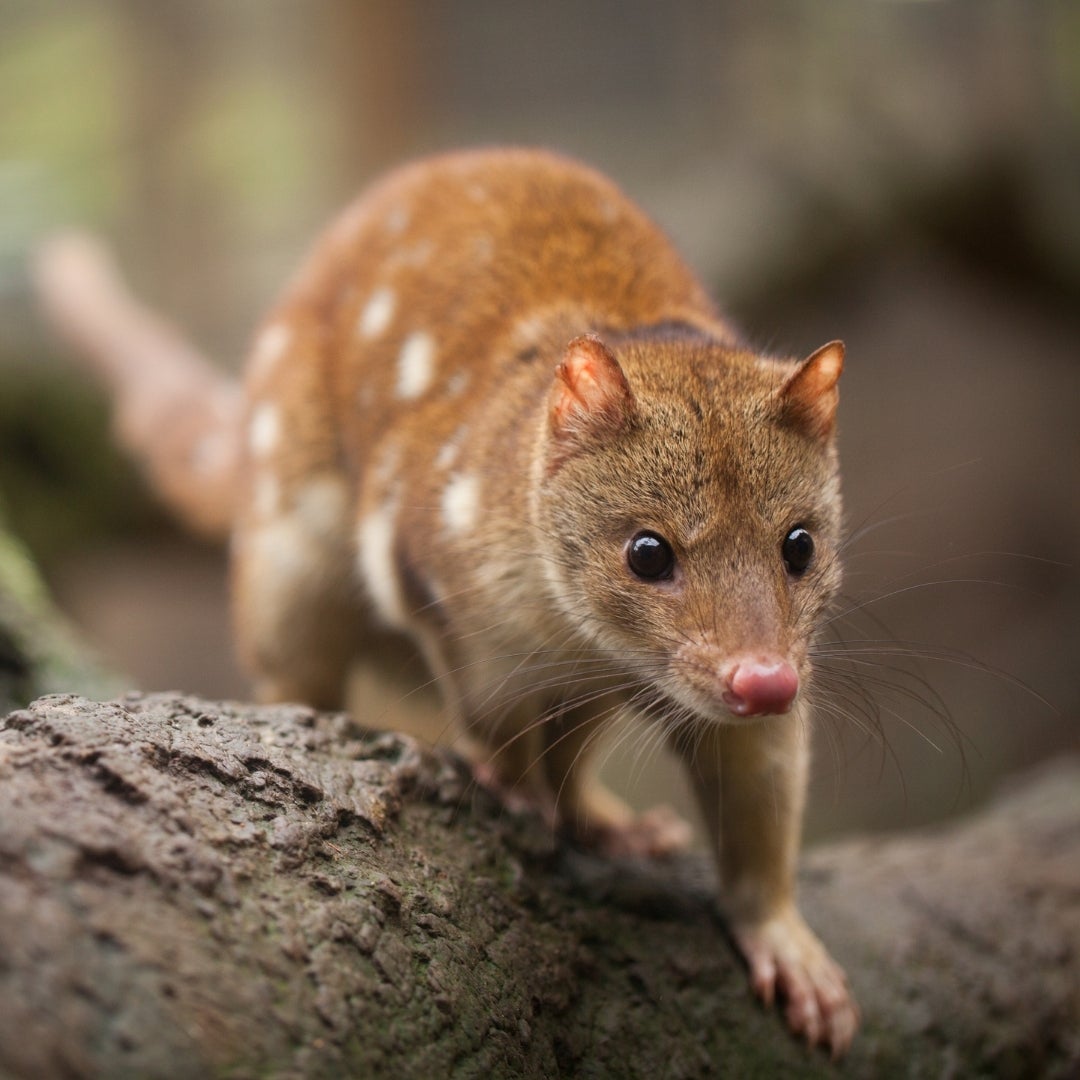
  • northern quoll in autumn woodland

    Northern Quoll

    Colossal is deploying its innovative de-extinction toolkit to engineer genetic resistance in Northern Quolls to the Cane Toad's deadly toxin.
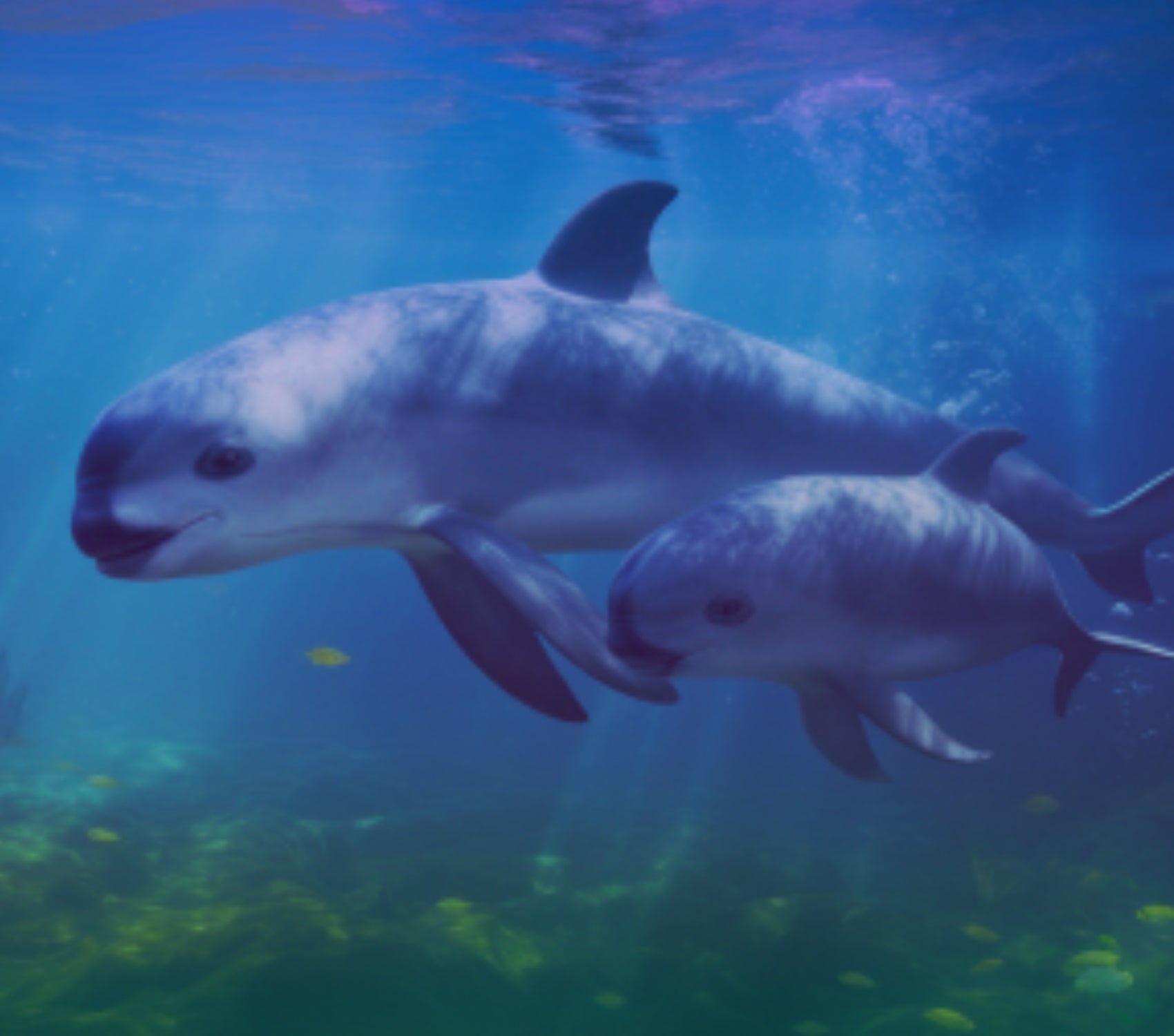
  • Vaquita

    We are discussing with the government of Mexico how to secure the full genetic diversity of the Vaquita, the world’s most threatened cetacean.
  • Amphibians

    We’re looking at the possibility of developing solutions to build resistance to pathogens responsible for wiping out entire groups of species, such as harlequin toads.

Stay in touch.

Get exclusive stories, behind-the-scenes updates, and ways to help—delivered to your inbox.

Donate for the wild.

Support real conservation impact—saving species, restoring ecosystems, and rewilding our world.

Donate