The drivers of poaching, the illegal hunting of wildlife, are complex and varied. They range from local and cultural traditions, to the need to hunt for protein, to international markets for pets and trophies.
GWC is focused on working with local communities around the globe to prevent poaching—a type of wildlife crime—before it takes place. There is no single solution, no one-step action that will prevent wildlife crime. The Zero Poaching Toolkit lays the groundwork for implementing long-term, comprehensive solutions that are both proactive and responsive.
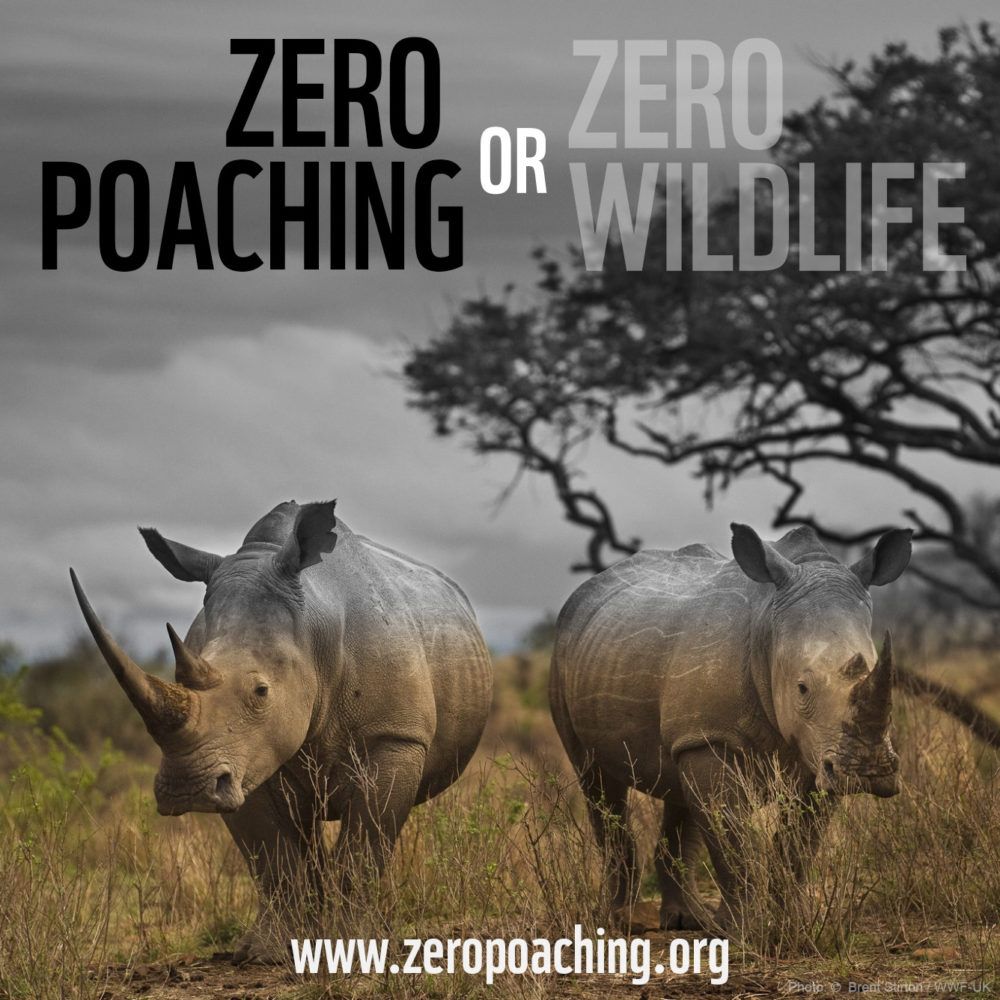
Scientific information and interdisciplinary knowledge are the foundations for GWC'S approach to conservation, particularly for wildlife crime prevention. Local partners can help provide all of this knowledge to build crime prevention approaches that align with local customs of the communities living within and surrounding a protected area. In adapting the local communities' systems for interacting with their surrounding environments, we're able to target the factors that create opportunities for wildlife crime and have a lasting impact.
GWC's Wildlife Crime Prevention Officer is James Slade. He leads GWC's crime prevention work on the ground, in each of the locations where GWC works, to increase the capacity of local partners and rangers to protect their biodiversity. Slade works in partnership with University of Maryland's Dr. Meredith Gore, an expert in the science of Conservation Criminology. The two recently sat down to talk about why prevention can be an effective approach to reducing poaching, in combination with traditional enforcement, and how the science of Criminology is leading to innovations in the field.
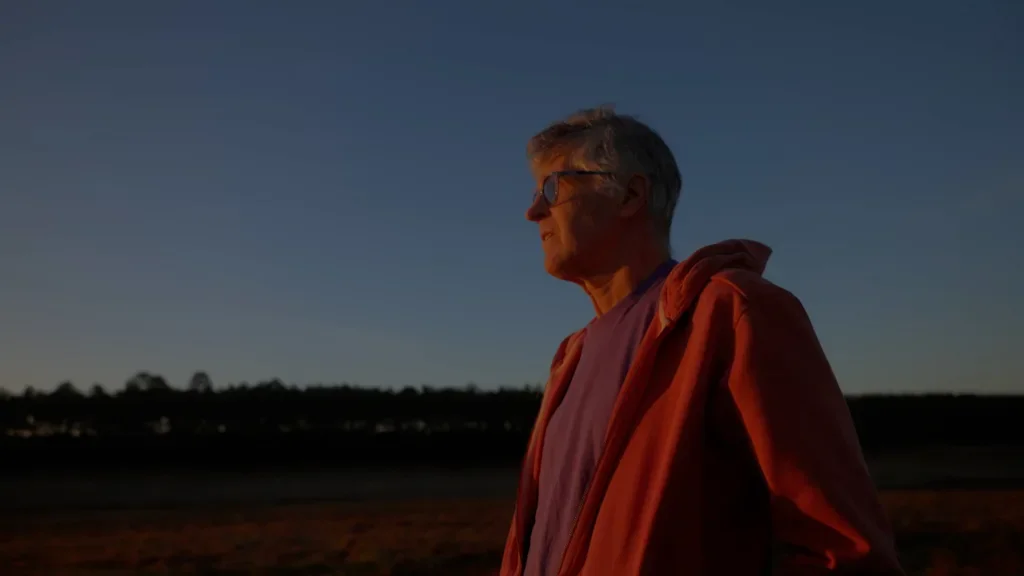
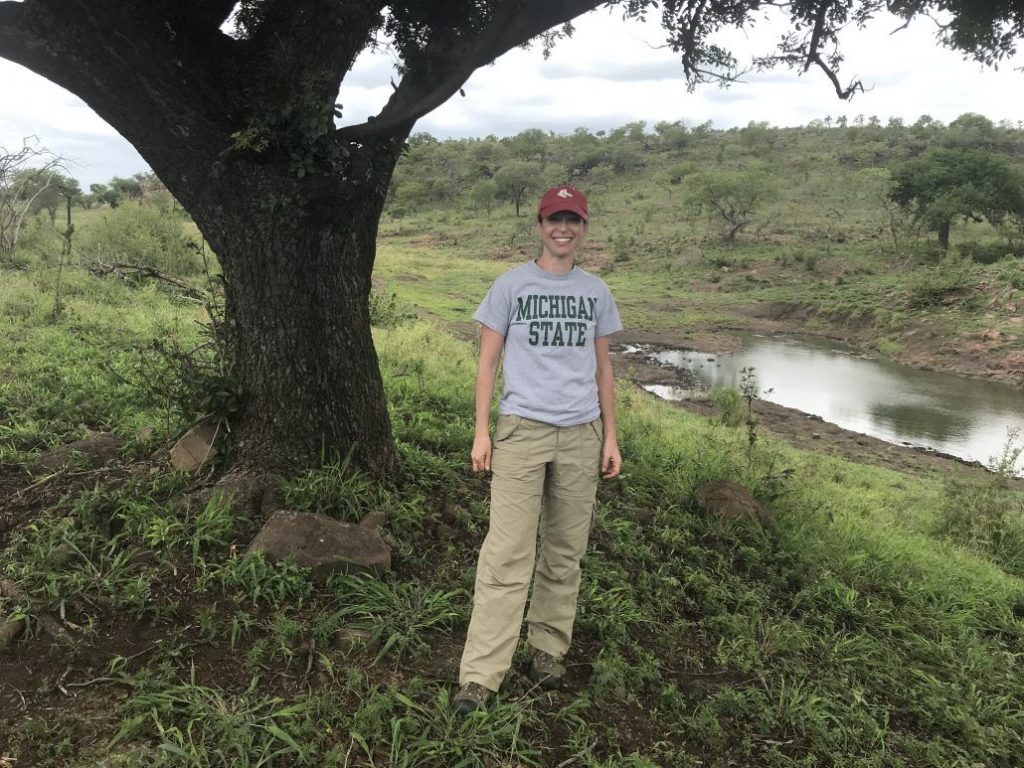 The University of Maryland's Dr. Meredith Gore is an expert in the science of Conservation Criminology. (Photo courtesy of Meredith Gore)
Dr. Gore: We're dealing with human behavior and irreplaceable living things and natural resources. Crime prevention offers one way to prevent poaching before it happens. A key component of wildlife crime prevention is engaging local people. These communities are the best ones to guide us to what prevention steps need to be taken in the local context
Slade: Often enough, the activity might not necessarily be illegal, but it is damaging to the environment. It could be being conducted by community members that aren't aware of any other options. We can prevent that damage from happening by focusing on preventative measures.
Dr. Gore: On the ground, we're really talking about harms to wildlife -- and people that interact with wildlife. We don't want to use the word 'crime' lightly. Harm prevention can be more accurate in conservation, because that's what we're trying to do in this context – not focus on who is poaching, but how they are doing it. For example, what locations are used for entering and exiting the forest and are those exits monitored well? Does poaching happen more during a new moon? We don't always want to criminalize people, for a range of justice and conservation reasons.
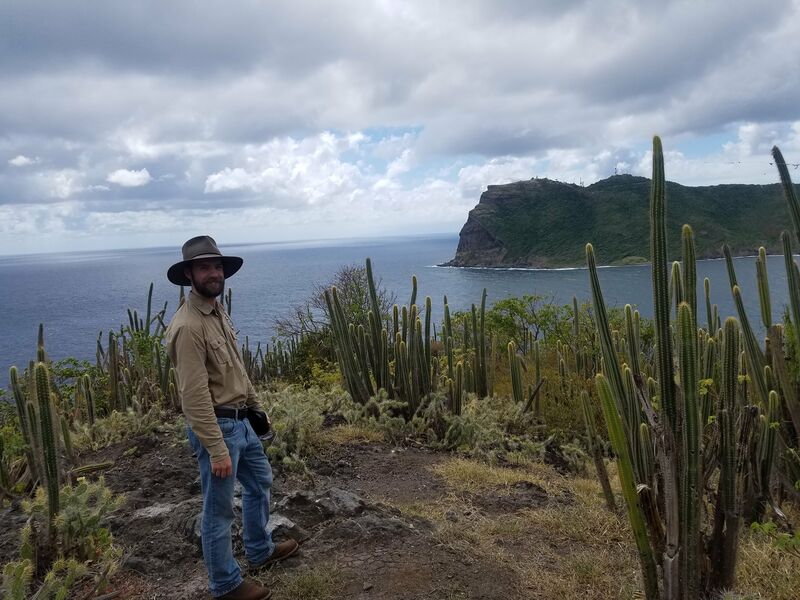 GWC's Wildlife Crime Prevention Officer James Slade interviews Dr. Meredith Gore about her work with communities. (Photo by Adams Toussaint)
Slade: Taking this proactive approach to mitigating the factors that enable the harm or crime, with the goal of preventing the crime itself, also averts many other detrimental effects often associated with the crime such as the transmission of zoonotic diseases. By increasing the risk of a poacher's detection for example, we make the rewards harder for the would-be poacher to justify. We can also discourage participation in poaching activities through alternative livelihoods or compliance support from the would-be poacher's friends and family. Though such proactive measures, we have a better chance at stopping the next harmful activity before it happens.
Dr. Gore: Yes. We can begin by looking at the conditions on the ground that enable crime to occur in the first place and trying to modify those conditions.
'Crime prevention through environmental design' involves steps like installing streetlights, cutting back brush so that there's line-of-sight, screening entrance and exits of a protected area, posting rules or putting a gate over a logging road.
And there are high-tech options, like drones or microchipping pangolin scales. At the end of the day, it's about what's going to work with the local community and location.
Slade: We also speak about "situational crime prevention" techniques.
Dr. Gore: Yes. These include techniques like controlling drugs and alcohol, or controlling tools and weapons to increase the effort or remove excuses for engaging in crime. These strategies help in some regions. But in others, drugs and alcohol really aren't an issue, or the tools harming animals are made from materials too ubiquitous to control, like snares made of bicycle wire or fencing materials. So it fundamentally entails a collaboration with local partners to understand the context. We ask questions like, how do you increase surveillance, how do you increase the risks of engaging in poaching, how do you reduce the rewards? The tactics we employ, and strategies implemented, are highly tailored and location-specific.
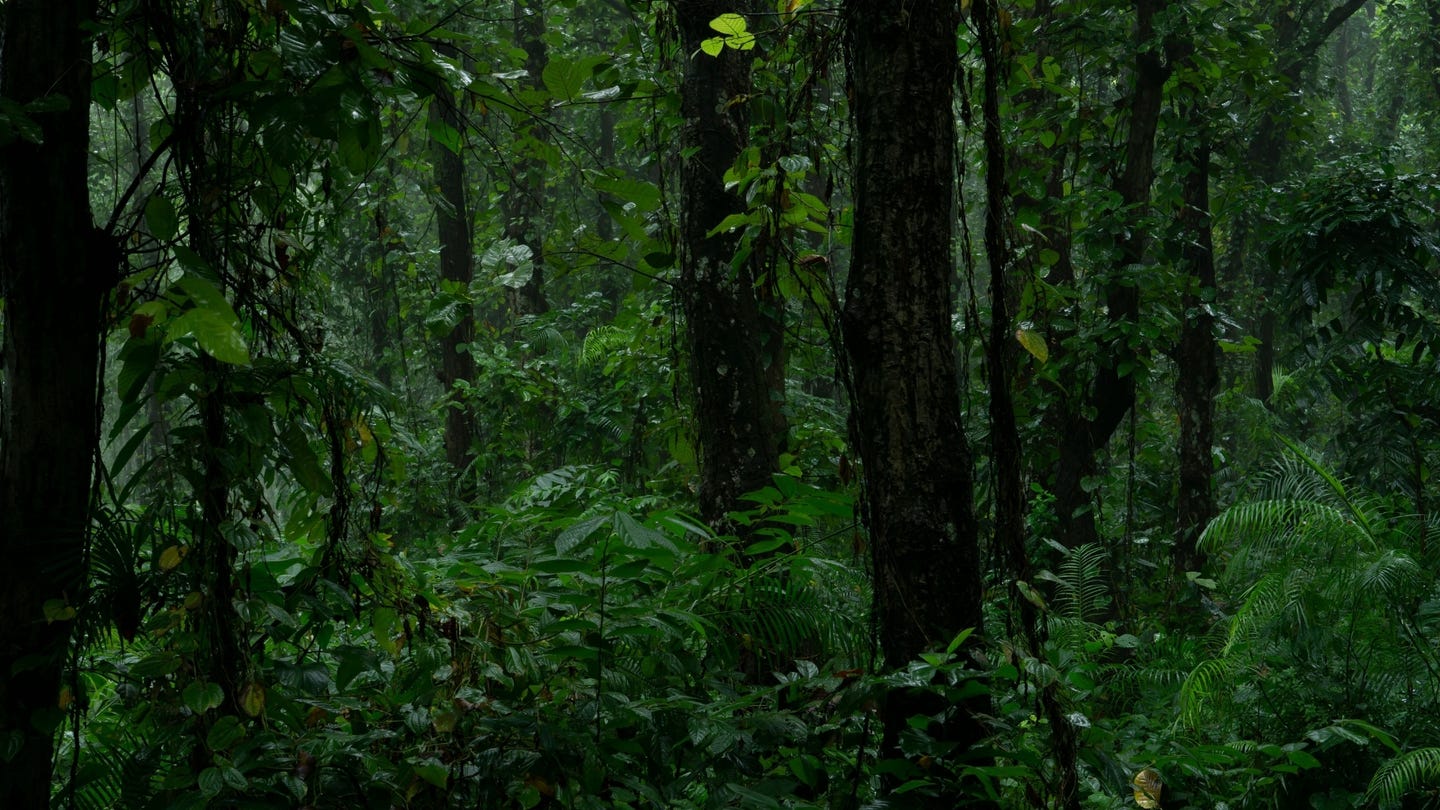
James: In Vietnam, for example, we've helped bring in community members as informal guardians, putting them in positions to help protect their own resources and environment. By collaborating in this way, we're able to work with those in the local community who have a much more intimate knowledge of the forest and the people that use it. Community conservation teams help with everything from the biological monitoring down to the enforcement aspect, such as sharing what are the most likely routes and areas where people set traps. We're also starting to focus outside the park by asking, 'Where is the crime or the harm coming from, and why is it happening here?'
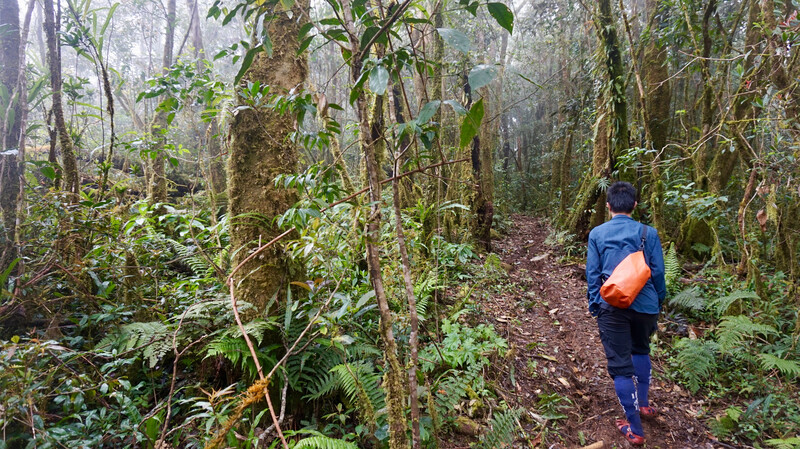 Rainforest of Vietnam (Photo courtesy of Bidoup Nui Ba NP)
Meredith: The conservation community is adapting from the criminological playbook, but at the same time, we're giving back. What the conservation community does really well is engage communities, and that is not something the law enforcement community is as well-known for.
James: Yes, we mold situational crime prevention methods for use in conservation, which absolutely relies on community support for success. We also layer in awareness and education initiatives to help increase that community's attachment and connection to the natural environment. In the Philippines, for example, the endemic Tamaraw has been printed on their money, used as school mascots, and promoted as the national animal, strengthening the human connection to the species. Now a local icon, it's become a lot less acceptable for someone to hunt or target the species. We're building on this work with local partners, including Indigenous communities to protect the Tamaraw within Mounts Iglit-Baco Natural Park.
Dr. Gore's work is really helping the conservation world acknowledge the criminological approach to prevention as a means for finding solutions, instead of the traditional approach of capacitating protected area staff and operating in a primarily reactive manner. Reaction means the harm has happened, the animal has been killed, the tree has been cut. Being proactive and preventative means we're trying to stop it before it happens, by looking outside of protected areas as well as in. This is a win for all involved, I feel.
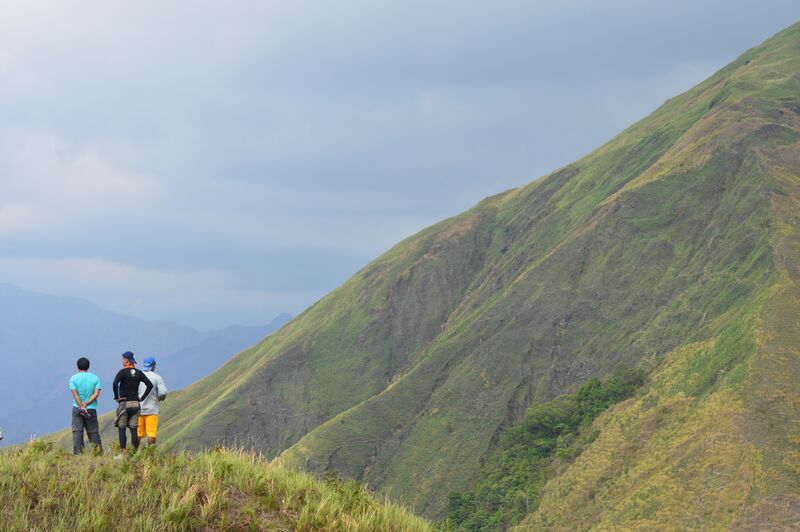 SMART training in Mts. Iglit-Baco Natural Park. (Photo by James Slade, Global Wildlife Conservation)
Meredith: That's one of the reasons I think working with GWC is so exciting, because there is a real commitment to this evidence-based adaptation and a real desire to innovate.
James: Through the addition of crime science and going down the path of prevention, we're not only trying to benefit the lives of individuals who might be affected by a pure law enforcement approach, but we're also building better relationships between the protectors of the environment (formal guardians) and those (informal guardians) who live in and around these areas that have been classified as protected. Employing prevention techniques helps break down the 'us vs. them' barrier.
What we are trying to do as conservationists is share with the world that we are working towards the survival of the whole planet and not just a specific species. We work to protect biodiversity and everything that keeps us alive on this earth.
GWC conserves the diversity of life on Earth by safeguarding wildlands, protecting wildlife and supporting guardians. We maximize our impact through scientific research, biodiversity exploration, habitat conservation, protected area management, wildlife crime prevention, endangered species recovery, and conservation leadership cultivation.