Yesterday, July 30th, 2021, Bayer—the company producing cancer-causing Roundup—committed to end the sale of glyphosate-based herbicides to U.S. homeowners by 2023. This move comes as a result of years of pressure from many brave plaintiffs and activists including Re:wild Your Campus Advisor, Lee Johnson, whose legal action against Monsanto, now owned by Bayer, publicized the carcinogenic effects of glyphosate to the world. Without plaintiffs like Johnson, and thousands upon thousands of others who have used Roundup and developed non-Hodgkin lymphoma, this decision by Bayer to stop selling glyphosate-based herbicides to consumers would not have happened. In response to mounting litigation, Bayer has also pledged an additional $4.5 billion to settle claims alleging their weedkiller causes cancer. The pharmaceutical company has now provisioned a total of $15.4 billion to address the mounting health repercussions resulting from long-term use of the product.
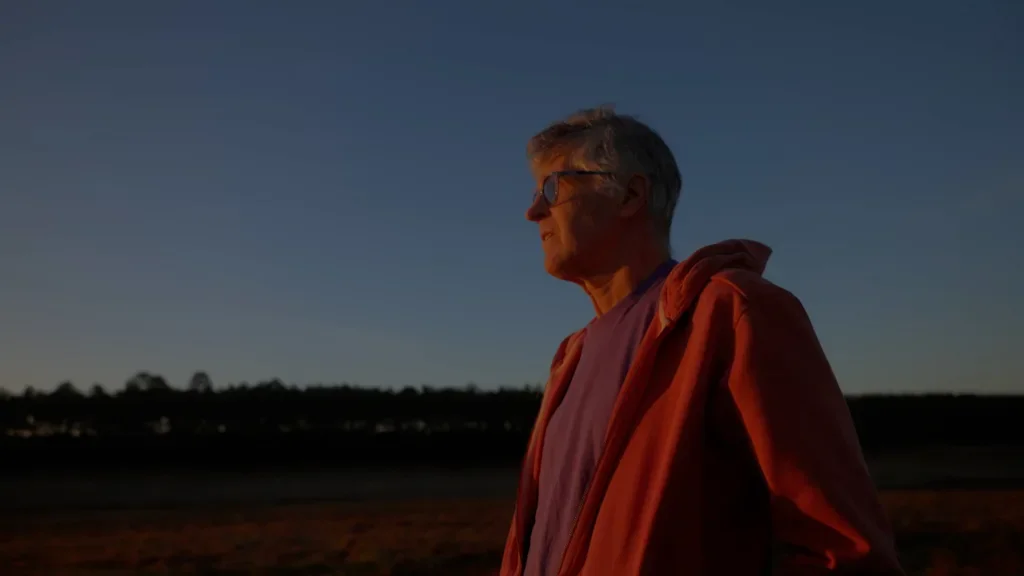
Bayer, which acquired Monsanto in 2018, has been producing glyphosate-based herbicides since 1973. After a diagnosis of non-Hodgkin lymphoma from repeated exposure to Ranger Pro, a glyphosate-herbicide, on the job, Lee Johnson, a former groundskeeper for the Benicia Unified School District was the first to win a suit against Monsanto. Since his court case, Lee has continued the fight to eliminate the use of glyphosate in land management; in partnership with Re:wild Your Campus, he has helped to ban glyphosate from all University of California campuses and ban all herbicides from Hawai’i public schools. Since Lee’s monumental case against Monsanto/Bayer, the company has been ordered to pay billions of dollars to plaintiffs around the United States, further emphasizing the widespread and toxic effects of glyphosate on human health.
Bayer’s commitment to end the sale of these products to U.S. homeowners is long past due, but we breathe a sigh of relief in knowing that fewer communities will experience the detrimental health impacts of this chemical.
Although yesterday’s decision to remove glyphosate-based herbicides only pertains to U.S. lawn and garden care, Re:wild Your Campus is hopeful that this signals a shift away from glyphosate-use for institutions, agricultural businesses and other entities.
"This is a win against the toxic chemical market," said Christie Jones, President of Re:wild Emory. "We the people hold the power and, with this news, we are more motivated than ever to continue working with our campuses to eliminate synthetic herbicide use."
Bayer’s recent commitment is in reference to the specific chemical, glyphosate, for which there are similar chemicals that are equally—if not more—harmful for both environmental and human health.
"We will not accept a toxic replacement for glyphosate," said Rose Williamson, President of Re:wild Loyola Marymount. "We must continue to fight for safe, non-toxic, and organic alternatives that end the supply of harmful killing agents. This is an incredible victory for the end of glyphosate use, but there is still so much work to be done."
Re:wild Your Campus will continue to fight for non-toxic communities and college campuses to support both environmental and human health.

Sheina Crystal
Co-Director
Sheina Crystal is Co-Director of Re:wild Your Campus. While a student at UC Santa Barbara, she founded a chapter of Re:wild Your Campus and worked with groundskeepers and restoration management as she advocated for the reduction of herbicide use on campus. As one of the main UC-wide organizers, she helped achieve a glyphosate ban at all 10 University of California schools. In addition to directing communications at RYC, she helped spearhead the Green Grounds Certification, a groundbreaking ecological landscaping certification by RYC to certify school campuses. Crystal’s work has appeared in The New York Times, U.S. News and World Report, Axios, Mother Jones, and more. Sheina works directly with students across the country, giving them resources and coaching as they advocate to make their campuses safer and healthier spaces for all living beings.