We don't need to reinvent the planet. We need to rewild it.
Re:wild protects and restores the wild. We do this because the solutions to our most pressing challenges — climate change, biodiversity loss and threats to human health — lie in nature.
Donate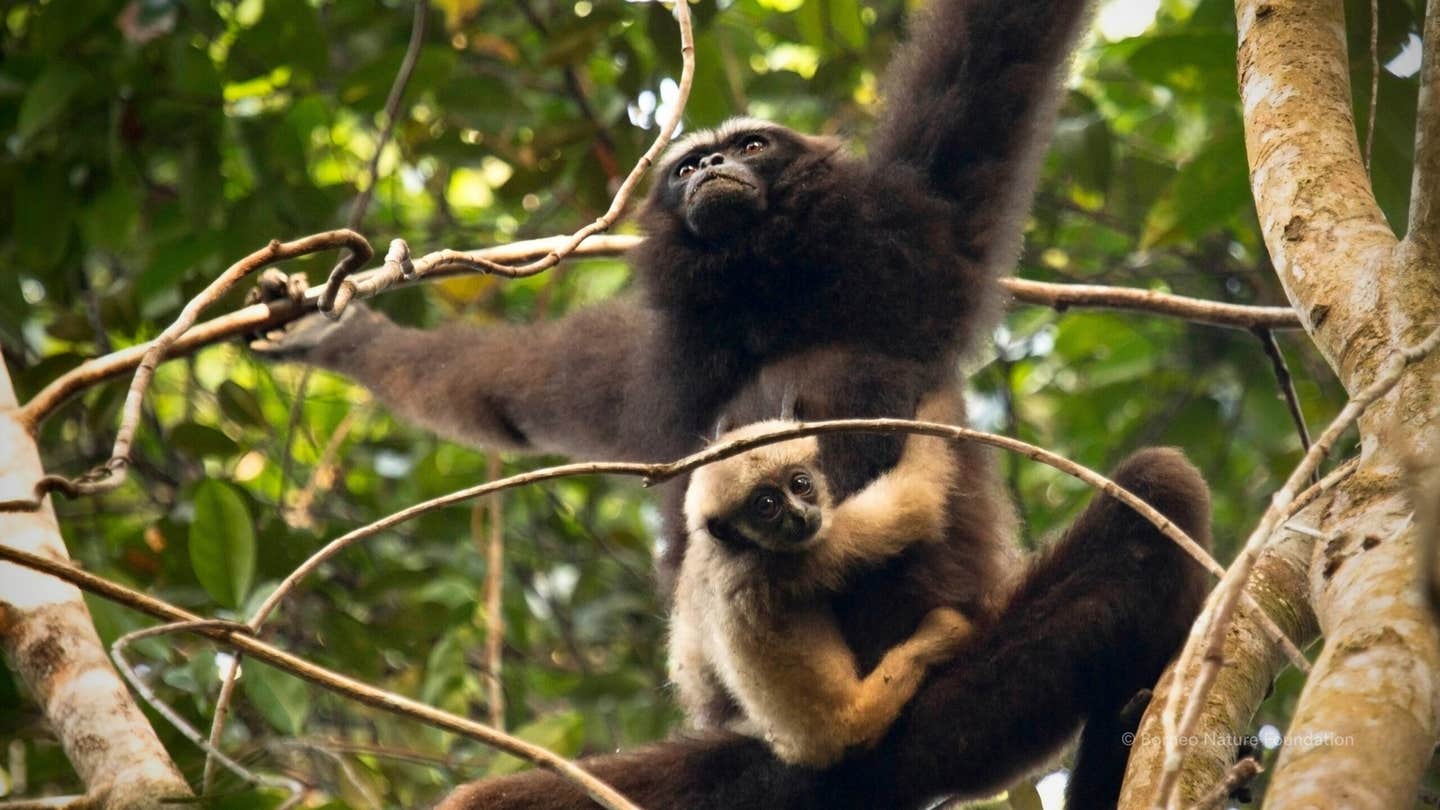
Fires are devastating Borneo and Sumatra, destroying forests and threatening Critically Endangered Bornean Orangutans and gibbons. Join Re:wild in supporting the teams fighting the fires on the ground.
Support Relief Efforts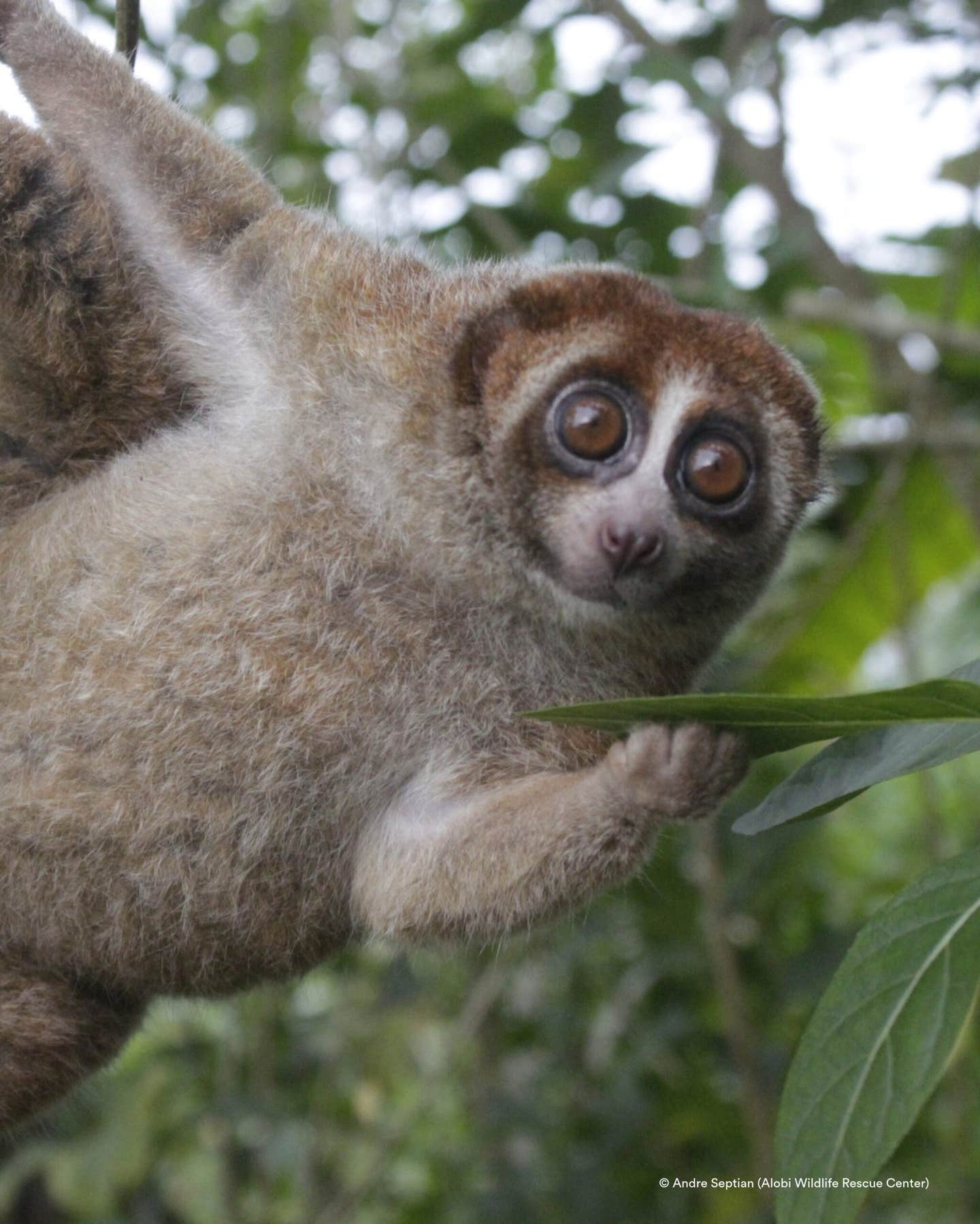
Latest: Venomous primate lost to science for nearly a century found hiding in backyards
Read More
Together, we are making a difference.
See how your support helps protect wildlife and restore ecosystems around the world.
640+ million
acres in active conservation with partners
226+ million
acres of new conservation areas being created
261
threatened species being actively conserved
40,000+
species benefiting




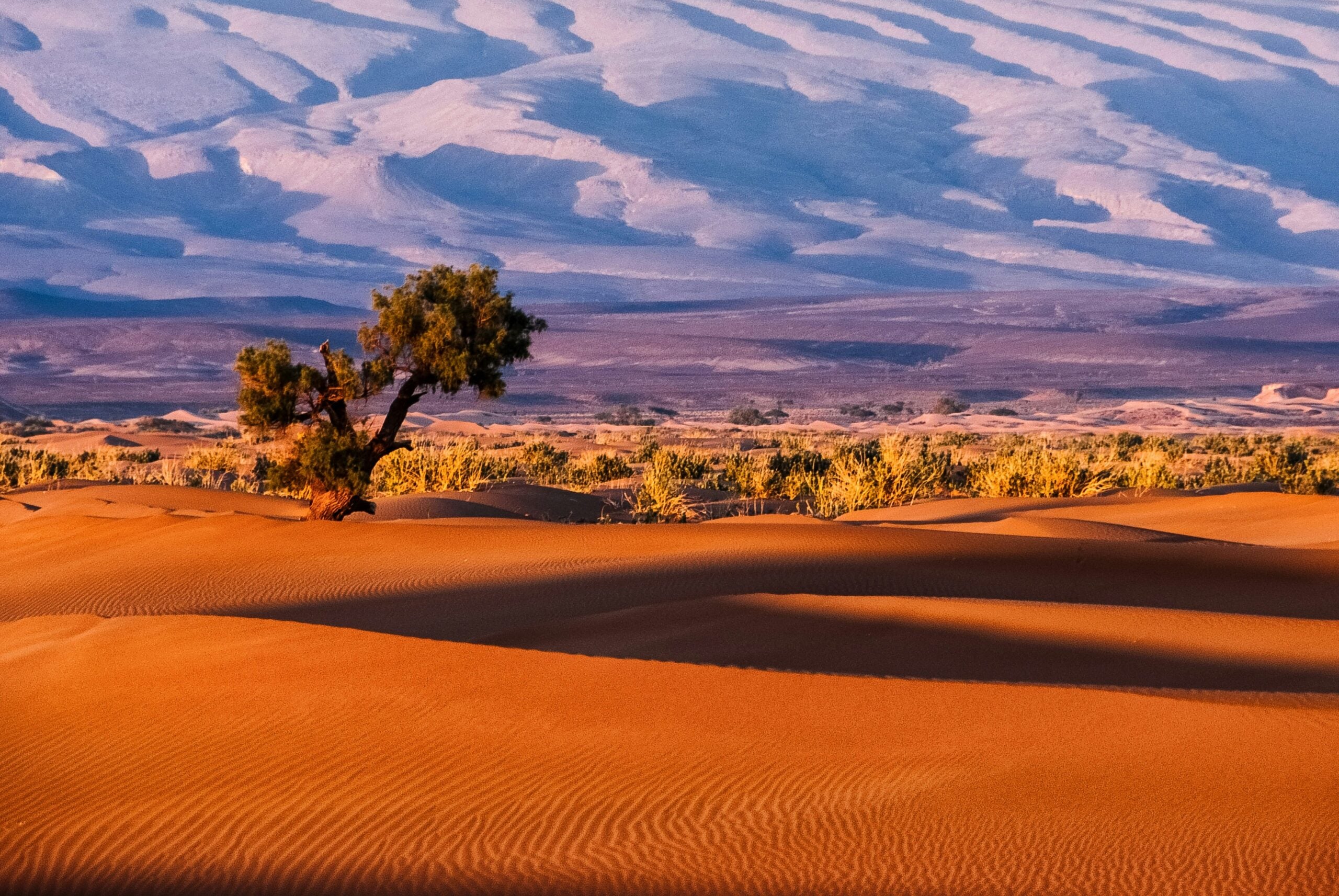
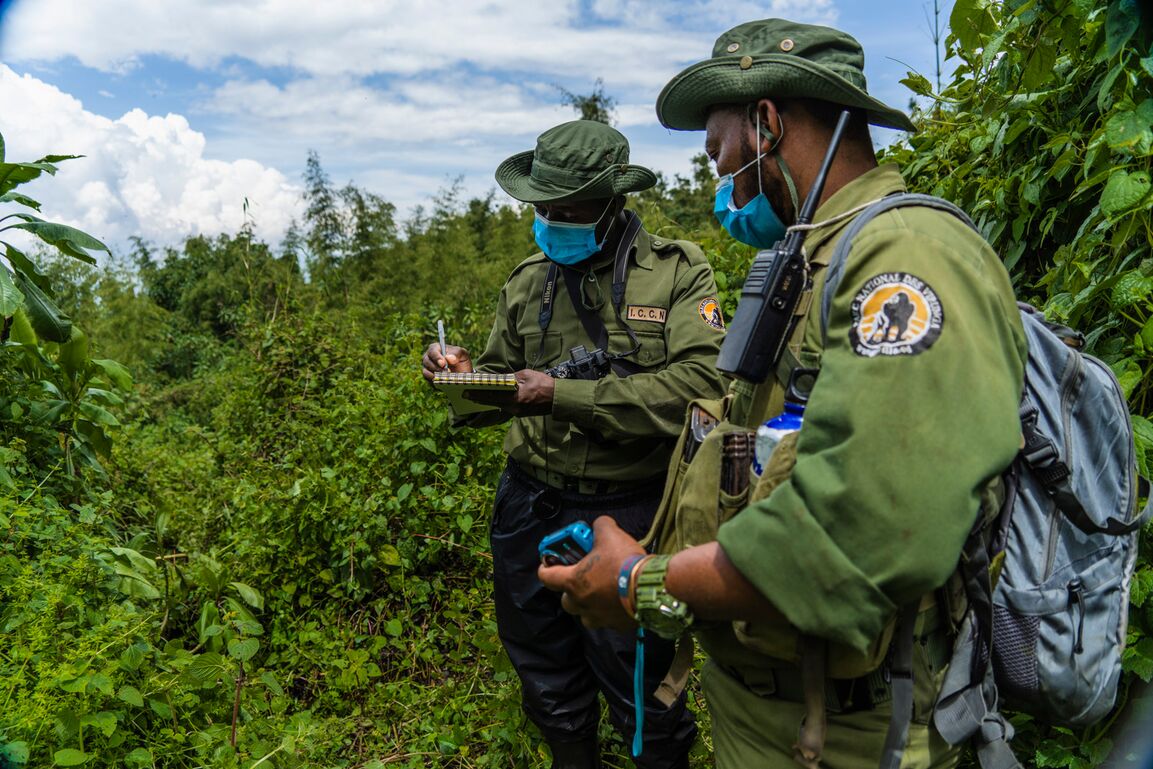

A wilder future is possible—but only if we take action now.
Our 2030 Strategic Plan lays out a bold path to protect critical places, recover species, support conservation guardians, and build a global movement.
Through ambitious targets and transformative action, Re:wild and partners are scaling up solutions to rewild the world.
Learn MoreThrough ambitious targets and transformative action, Re:wild and partners are scaling up solutions to rewild the world.

Protect and restore the world's most irreplaceable places.

Conserve and recover the world's most threatened species.

Help embolden and equip the world's conservation guardians.

Build a global movement to catalyze action at scale.
Urgent Appeals
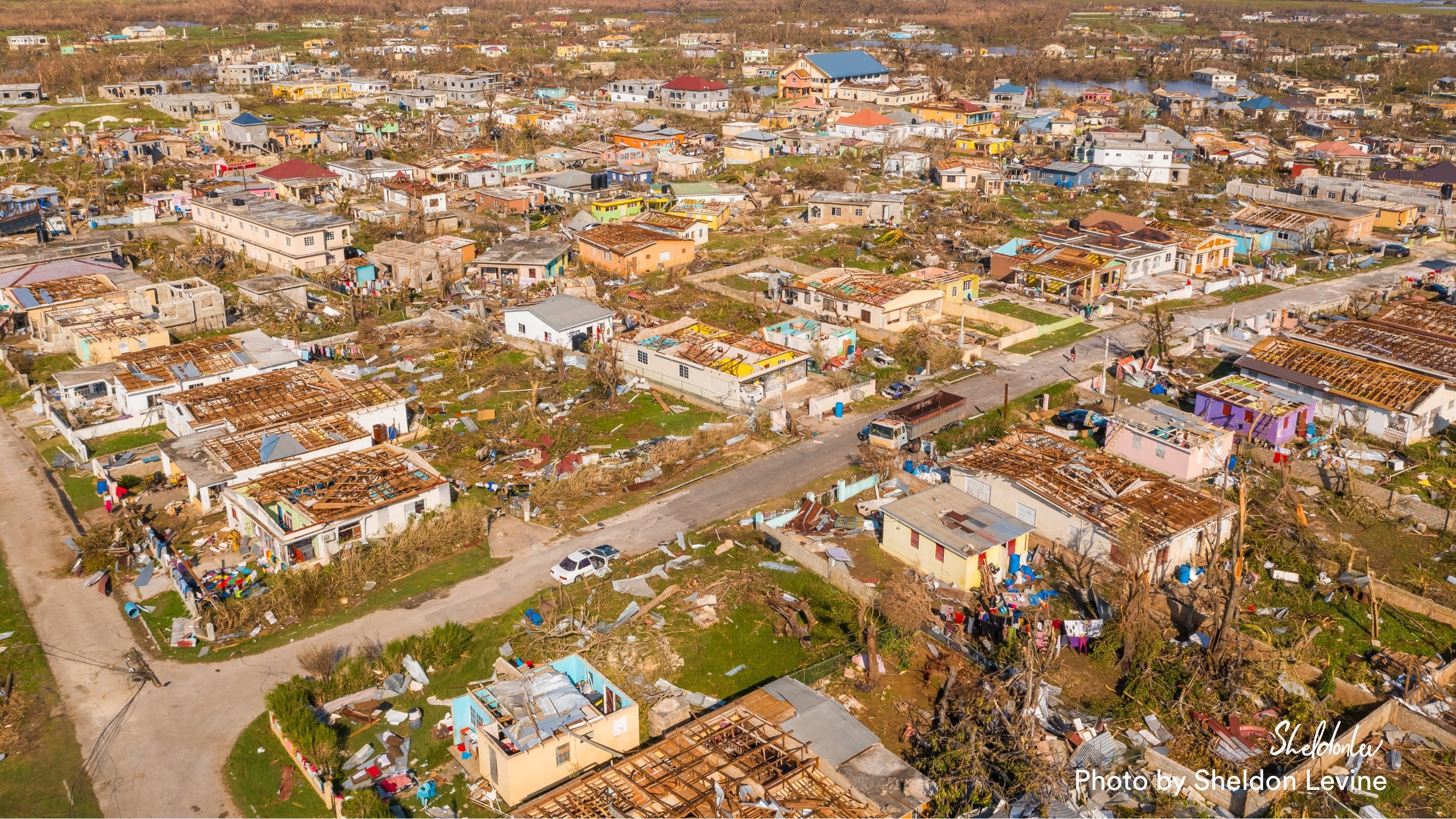
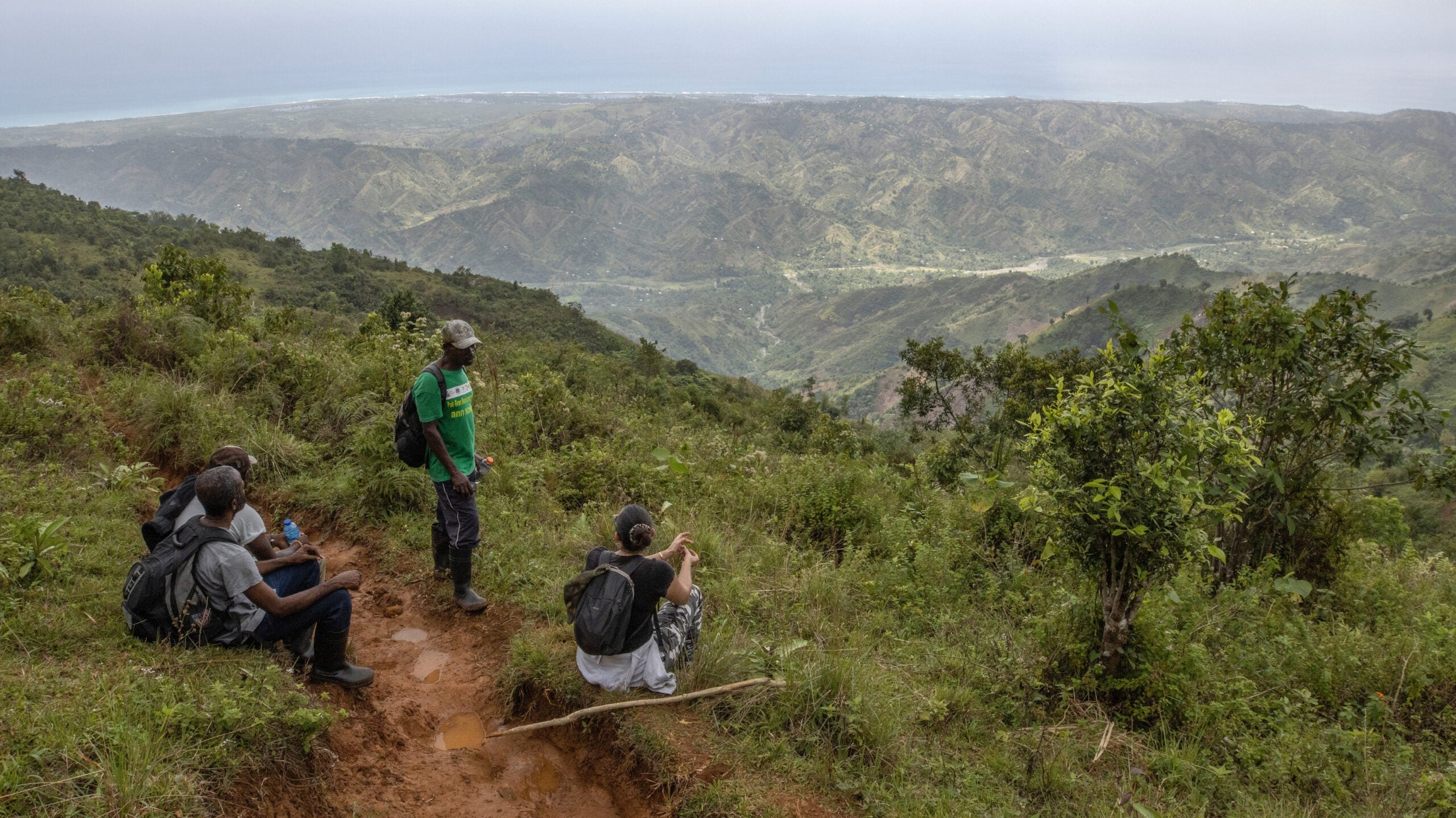
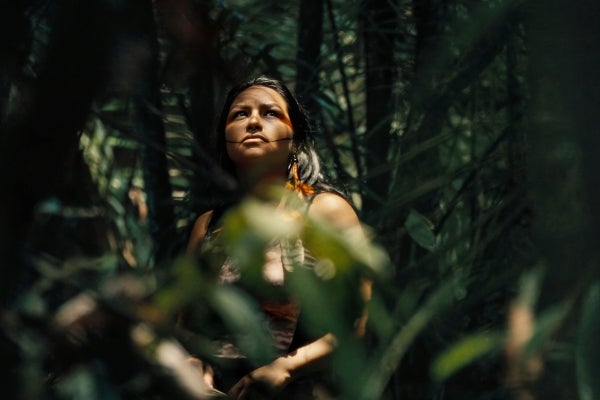
Latest from Re:wild
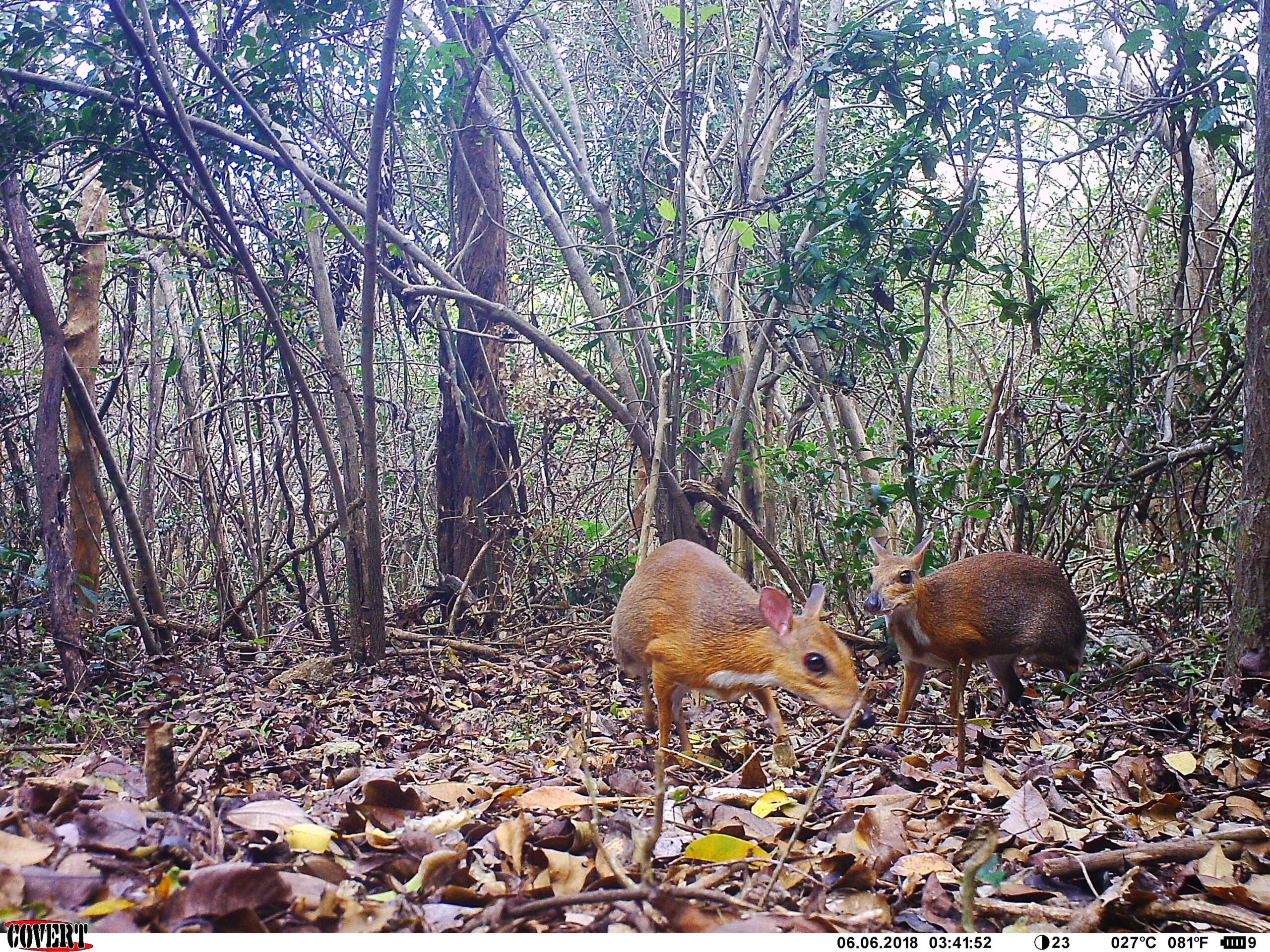
Blog | Back from the lost: Meet the Silver-backed Chevrotain
For nearly 30 years, the Silver-backed Chevrotain was lost to science. Researcher Quy Lê Tấn shares the story of its rediscovery in Viet Nam and why it still needs help.
Read Blog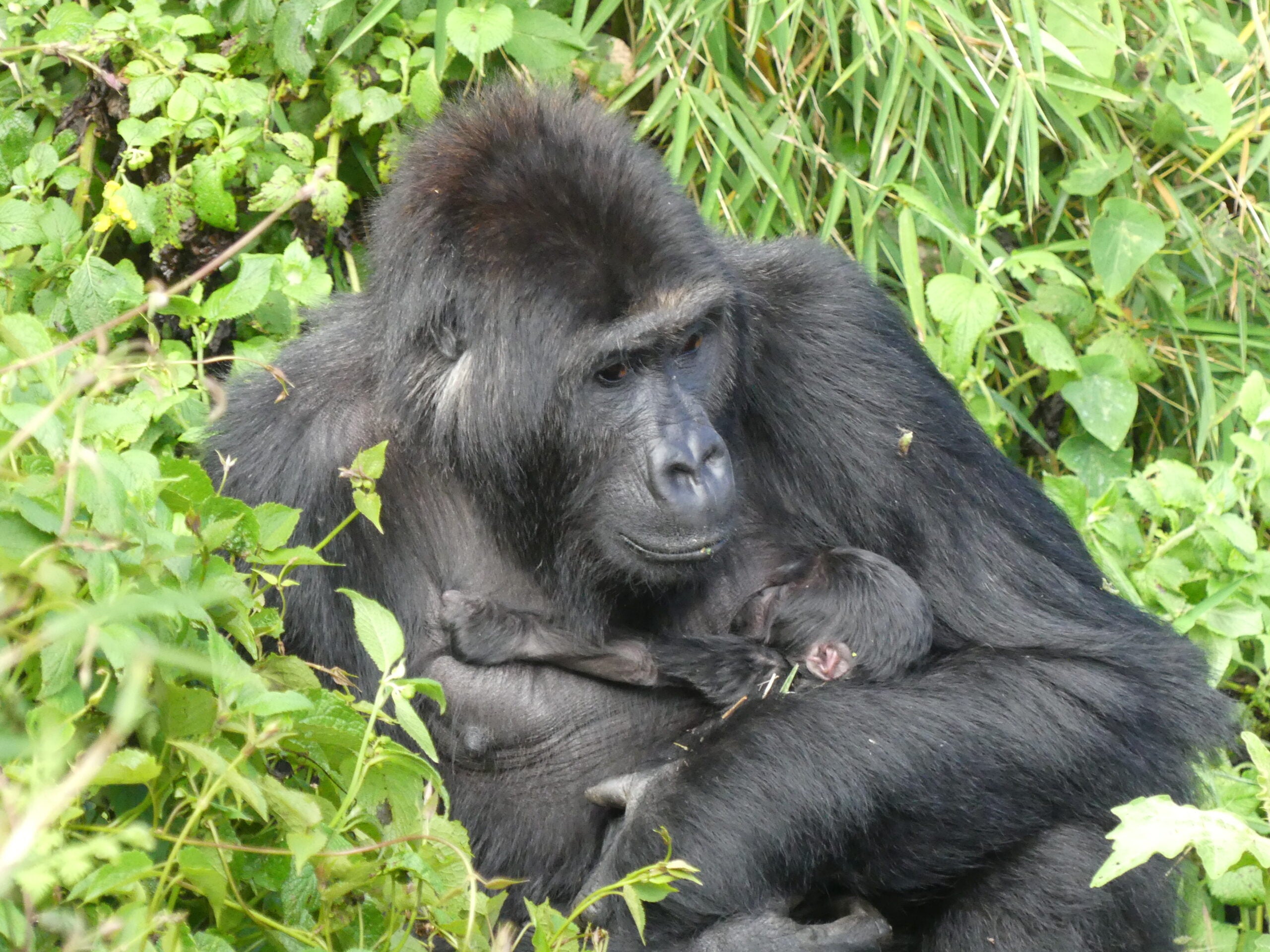
Press | Critically endangered gorilla orphaned as a baby gives birth after historic return to the wild
Read Story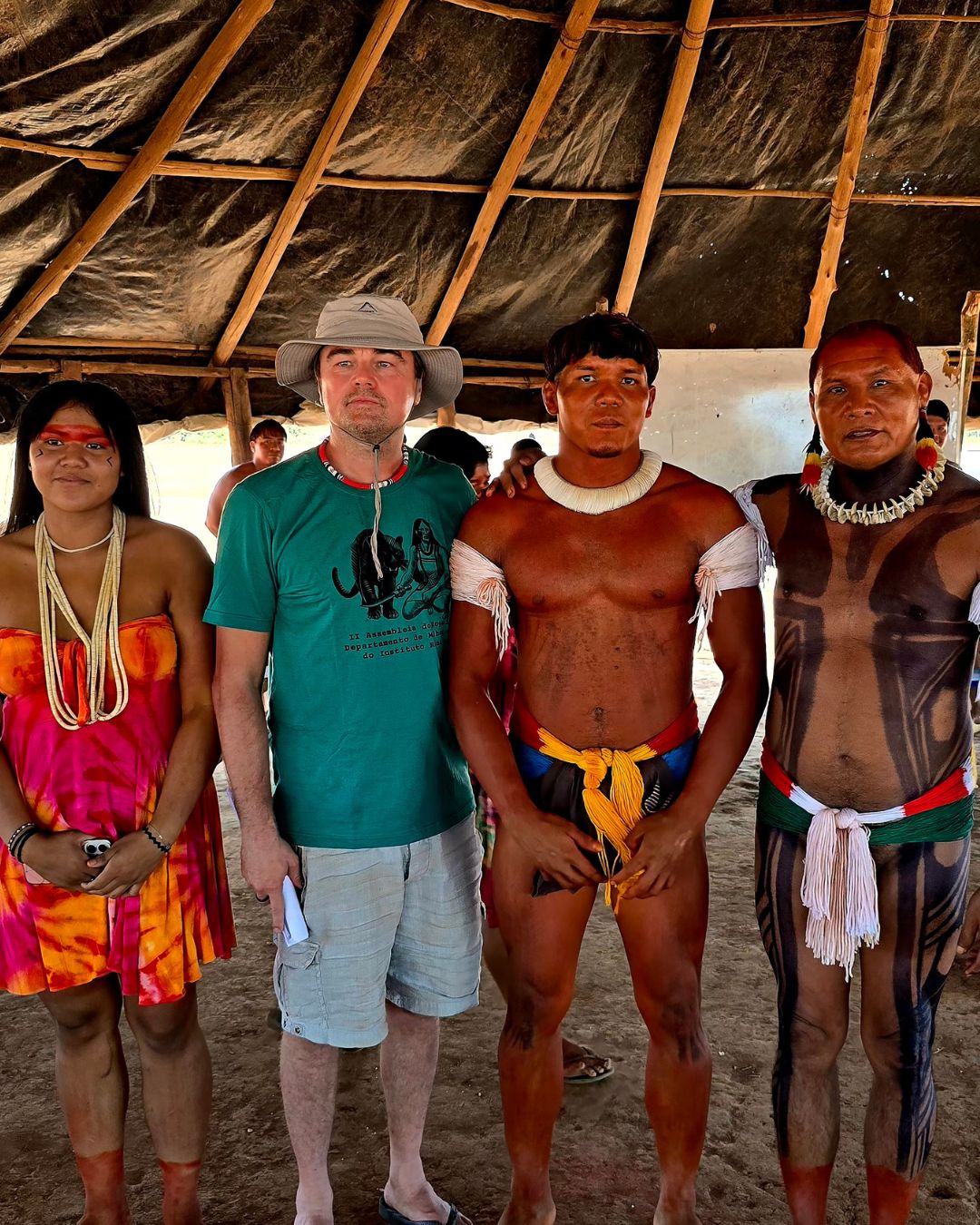
Press | Leonardo DiCaprio, founder of Re:wild, visits Brazil to celebrate Chief Raoni Metuktire and meet with frontline defenders & government leaders working to protect nature
Read StoryGet Involved
Conservation needs more than organizations. It needs people. Here is where to start.

The world is watching.
The wild is counting on it.
Featured In