Indio Maíz-Tortuguero

Two of Central America's most important protected areas, linked by intact wild land stretching from Nicaragua to Costa Rica. Re:wild and Indigenous partners are defending them from illegal cattle ranching and encroachment.

Support Conservation in Indio Maiz-Tortuguero
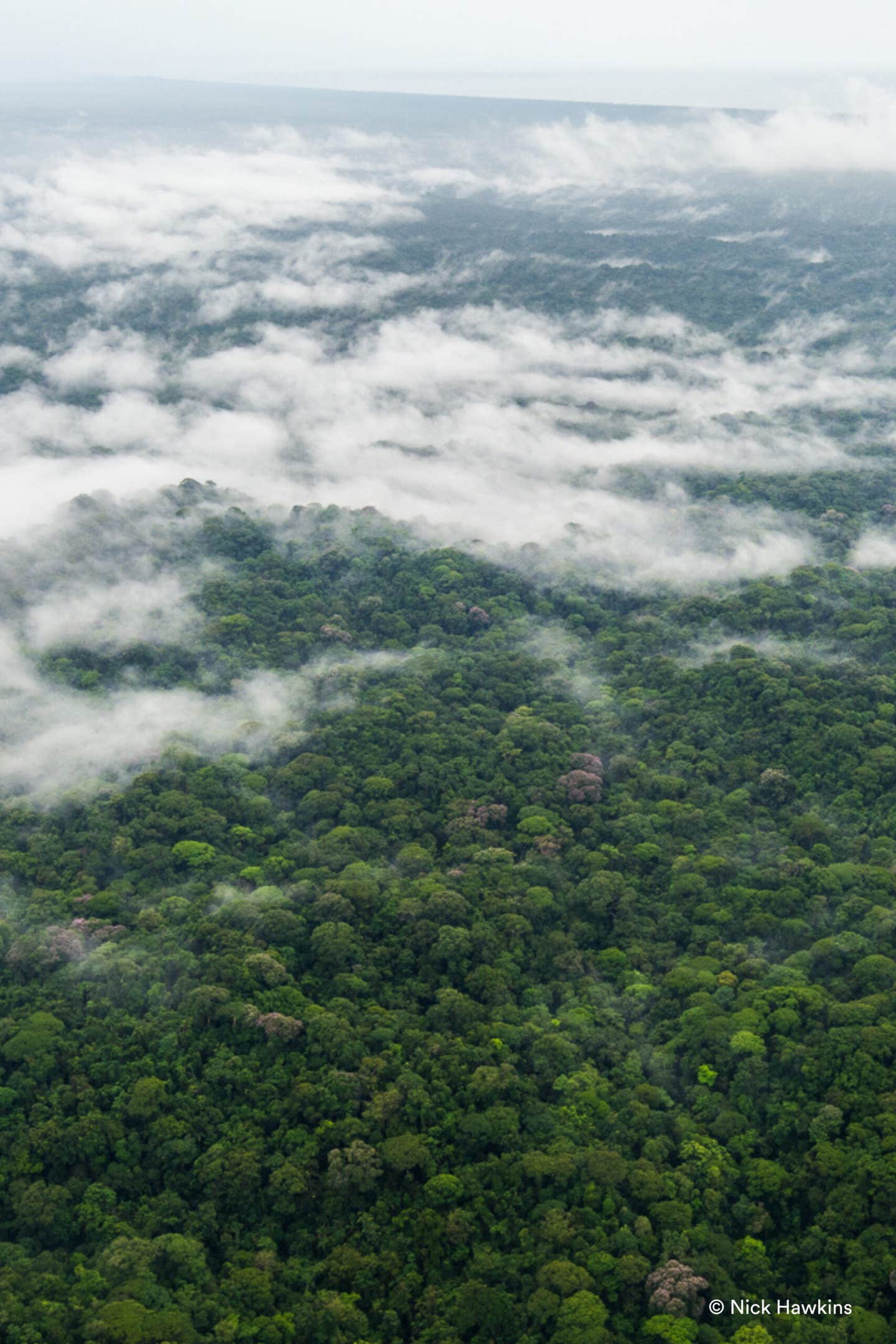
Protecting a paradise of biodiversity in Nicaragua
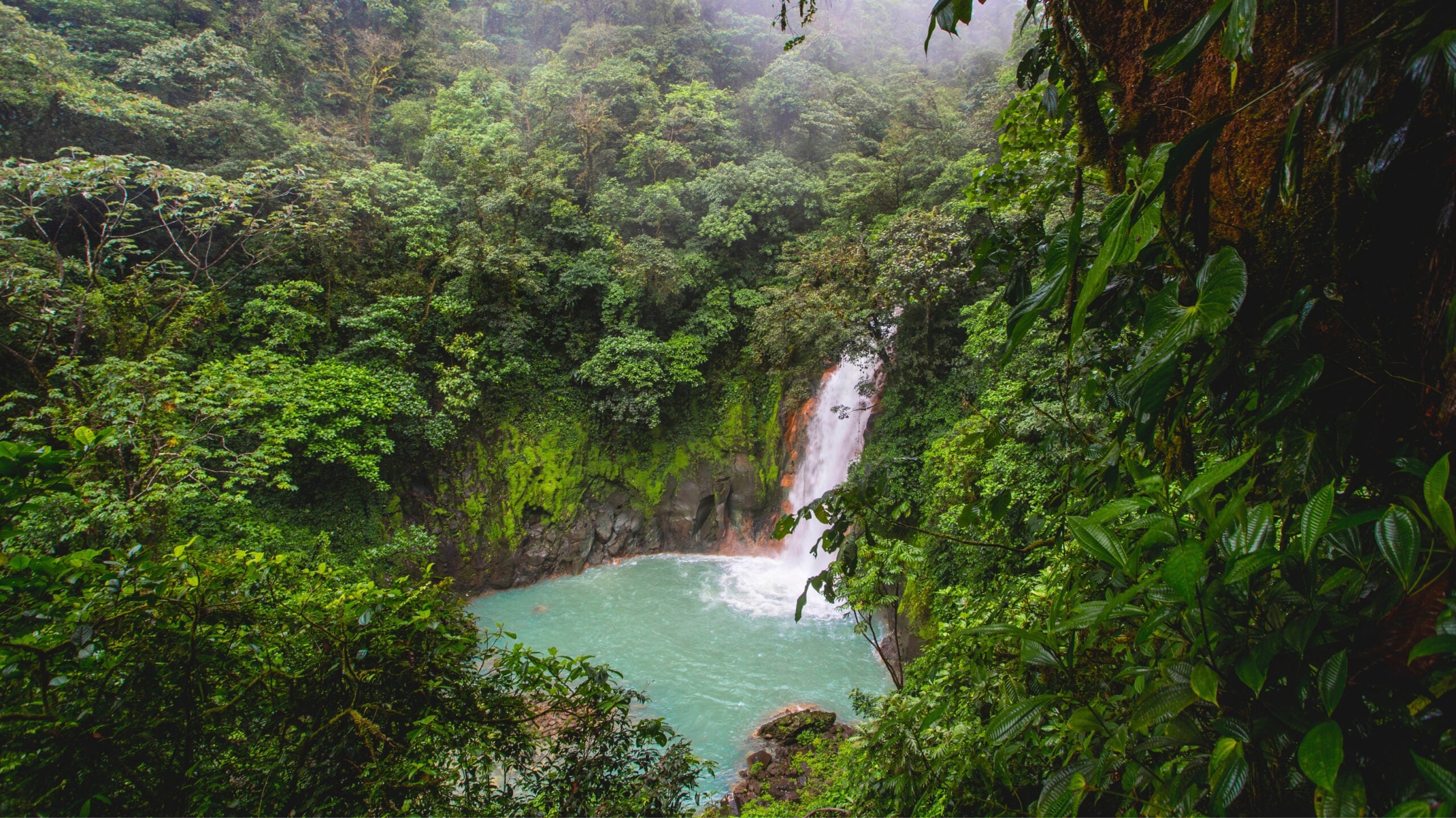
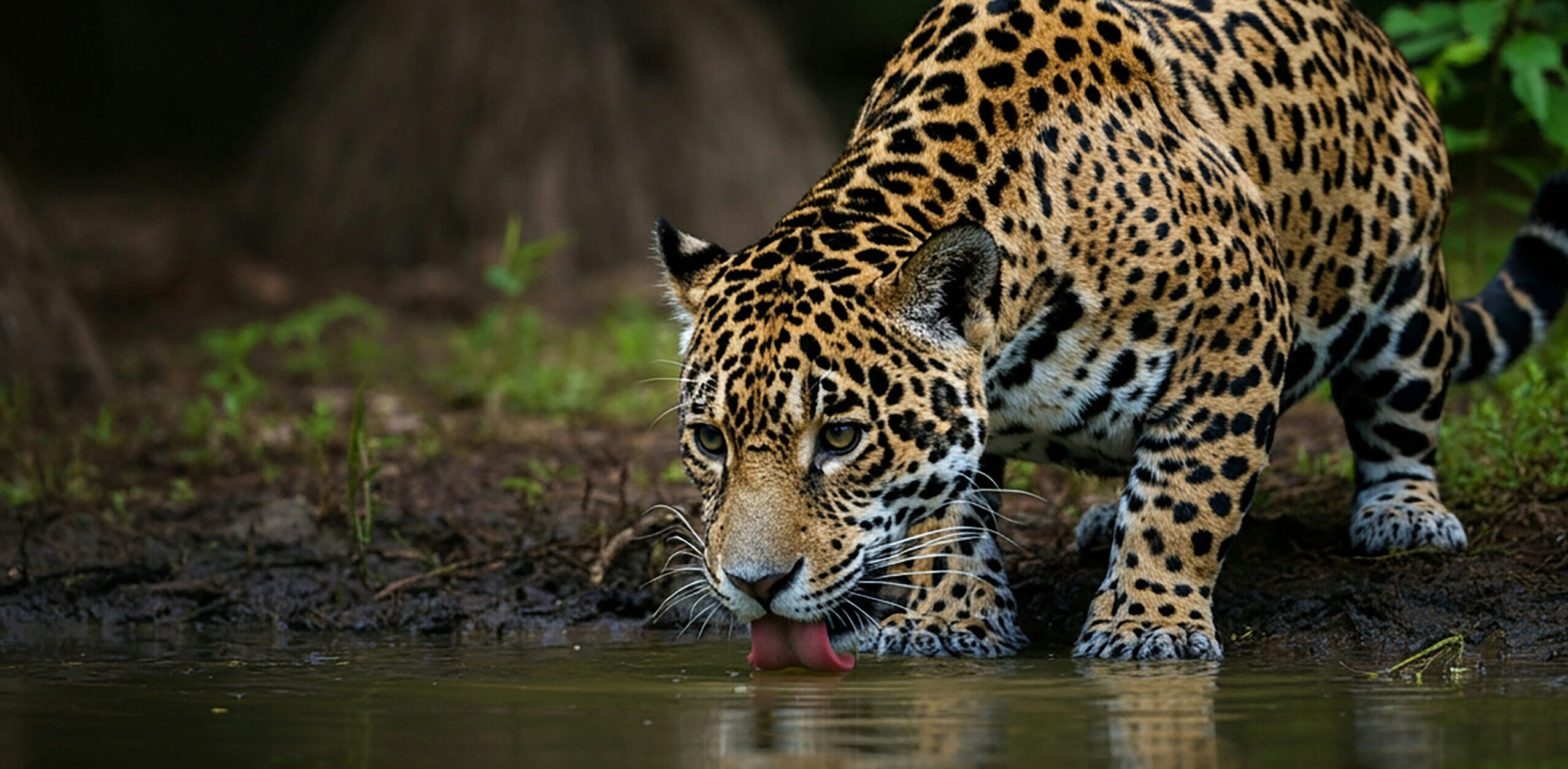
The Indio Maíz Biological Reserve protects more than 770 square miles of lowland tropical forest and swamps in Nicaragua, providing critical habitat for Baird's Tapirs, Jaguars, Great Green Macaws, and wild almond trees.

It is a Key Biodiversity Area of global significance. Connected across the Costa Rican border to Tortuguero, which protects one of the world's most important sea turtle nesting beaches for Leatherback, Green, and Hawksbill Turtles, the two areas together form one of the Five Great Forests of Mesoamerica.

More than 80% of Indio Maíz falls within the ancestral lands of the Rama and Kriol communities. They have largely subsistence economies built on small-scale agriculture, hunting, and fishing, and they care deeply about the integrity of this forest. It is their home and their inheritance.

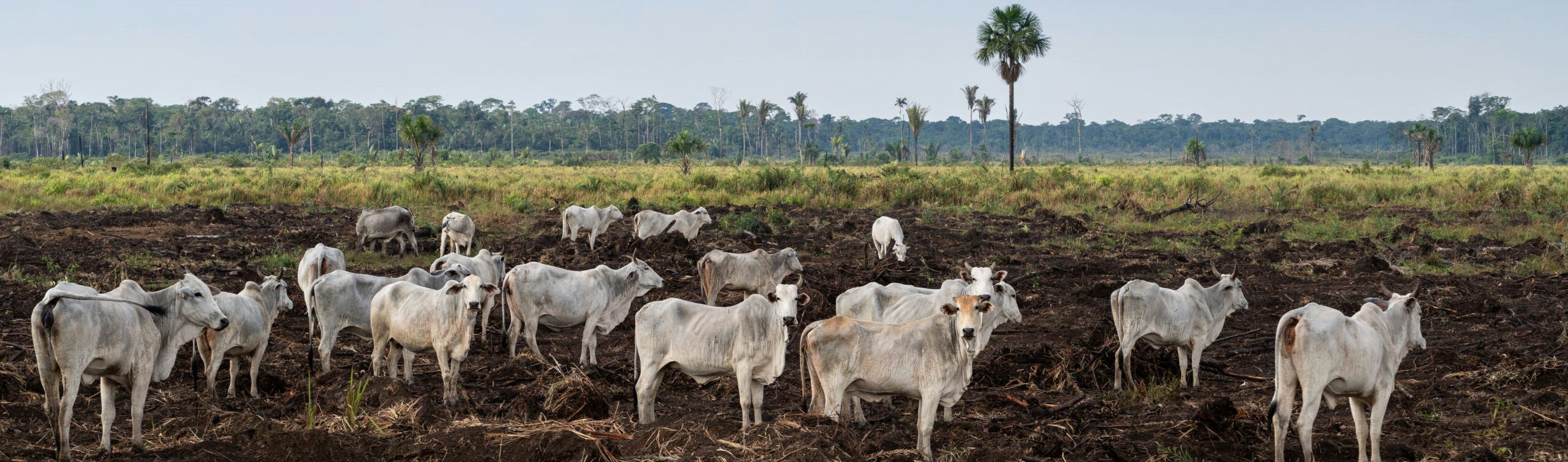
Illegal cattle ranching has driven devastating forest loss in Indio Maíz since 2014. The Rama and Kriol communities are fighting back.

Land traffickers clear forest illegally and sell it under false titles to cattle ranchers. The reserve was badly damaged by Hurricane Otto in 2016 and has faced ongoing encroachment since. These threats are not abstract. They are actively shrinking one of the most irreplaceable forests in Central America, and destabilizing the food security and livelihoods of the Indigenous communities who live there.
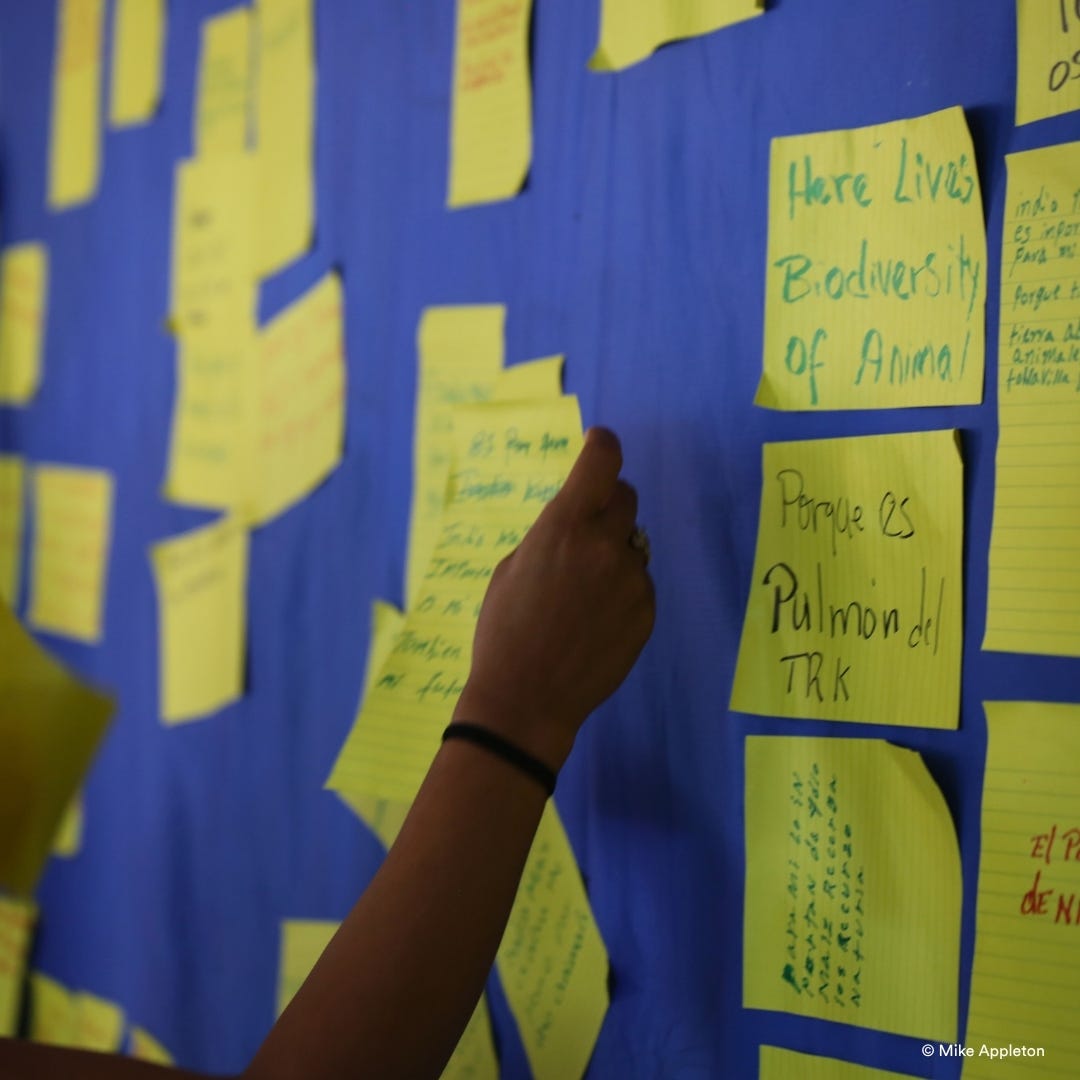
Building a management plan, by and for the communities
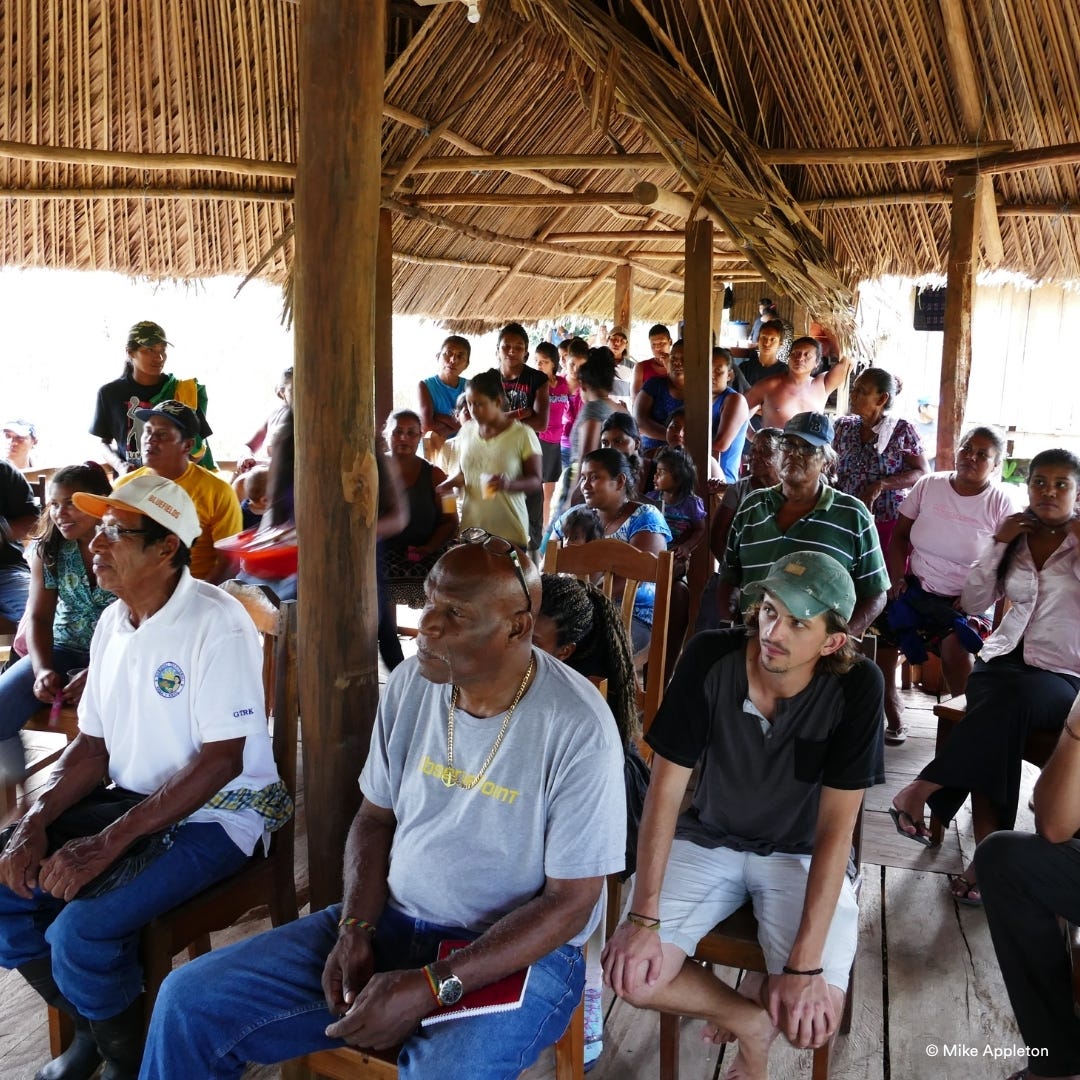
Nearly 80% of the Rama and Kriol communities participated in Re:wild-facilitated workshops to develop their values, visions, and plans for Indio Maíz.

The result is an autonomous management plan that is entirely visual, transcending language barriers and making it accessible to anyone. It covers biodiversity protection, tourism, resource use, governance, and the balance between conservation and community needs.

Conservation here is led from the grassroots, not from a government office.

Most major protected areas are managed by government staff. Indio Maíz is different. Conservation is led and carried out by local people: community rangers, leaders and representatives, women organizing new nature-based livelihoods, and micro-entrepreneurs serving a growing number of visitors. It is one of the clearest examples anywhere of what an Indigenous and Community Conserved Territory can look like in practice.

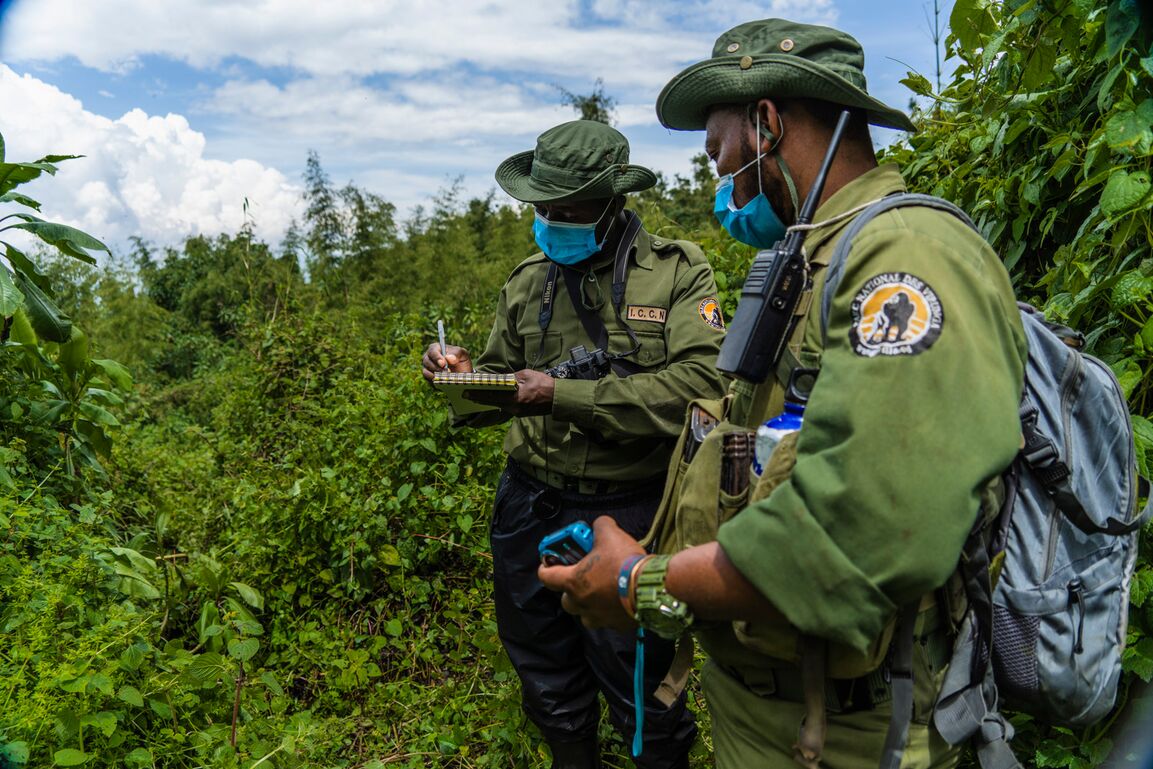
Re:wild continues to support a team of 13 Indigenous and Afro-descendant rangers, trained since 2015 in partnership with Panthera, local leaders, and Indigenous lawyers. They patrol and defend the Rama and Kriol communities' ancestral lands from illegal cattle ranching and land trafficking, the same threats that have driven devastating forest loss in the reserve since 2014.

Every wild place has a story.

Explore the landscapes, the species, and the people working to protect them.

Stay in touch.

Get exclusive stories, behind-the-scenes updates, and ways to help—delivered to your inbox.

Donate for the wild.

Support real conservation impact—saving species, restoring ecosystems, and rewilding our world.

Donate