Conservation Strategies
Protecting a species or restoring a wild place rarely comes down to one fix. It takes funding, policy, science, and the people who know a landscape best, often all at once, from a single forest to international agreements. These are the eight strategies Re:wild uses to make that happen.
Across the globe, Re:wild drives bold conservation action.
Bold action is what’s needed to protect and restore the world’s wild places and wildlife.
Every strategy, whatever the partnership and wherever the place, runs on the same six commitments.
Photo © Oliver Dodd

Impact
Every strategy is designed to create measurable change for wildlife, habitats, and people.
Partnerships
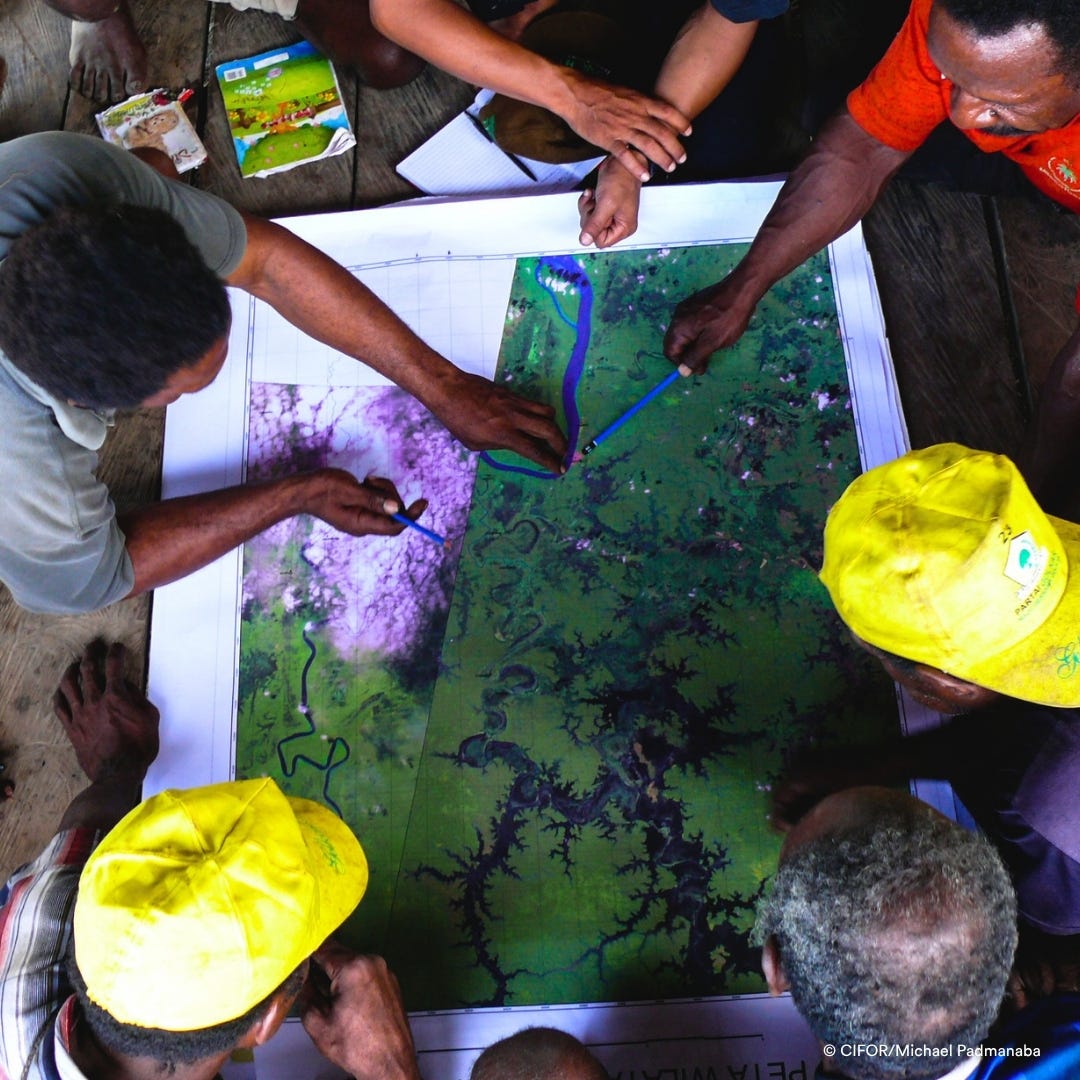
We co-create solutions with local, national, and global partners.
Tailored Solutions
Our interventions are designed for local ecological and social contexts.
Good Governance & Local Ownership
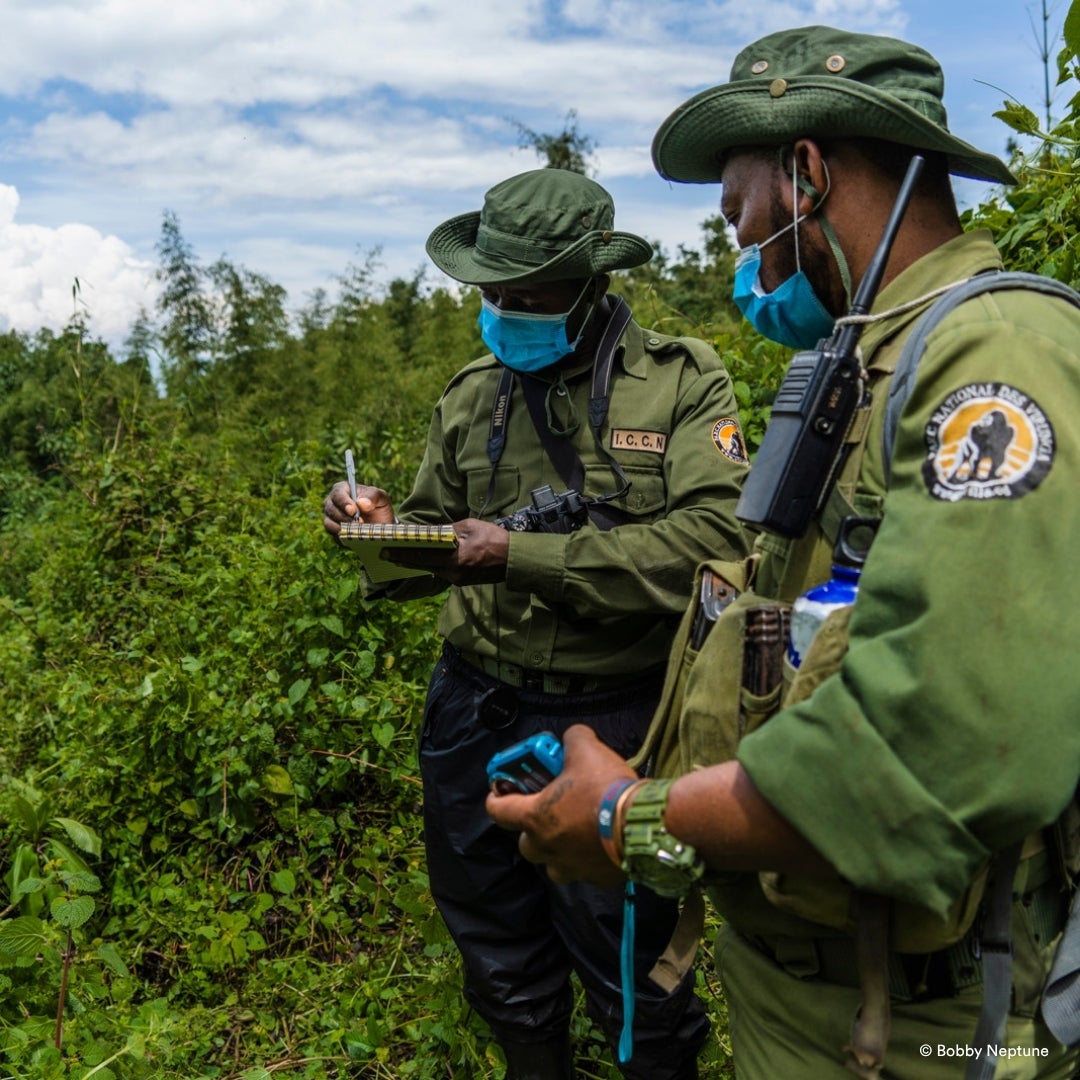
Indigenous Peoples and local communities lead in the management of their lands and waters.
Science & Learning
Evidence-based planning guides all species recovery and conservation actions.
Enabling Environment
We help strengthen the conservation community as a whole, so it can collaborate and innovate.
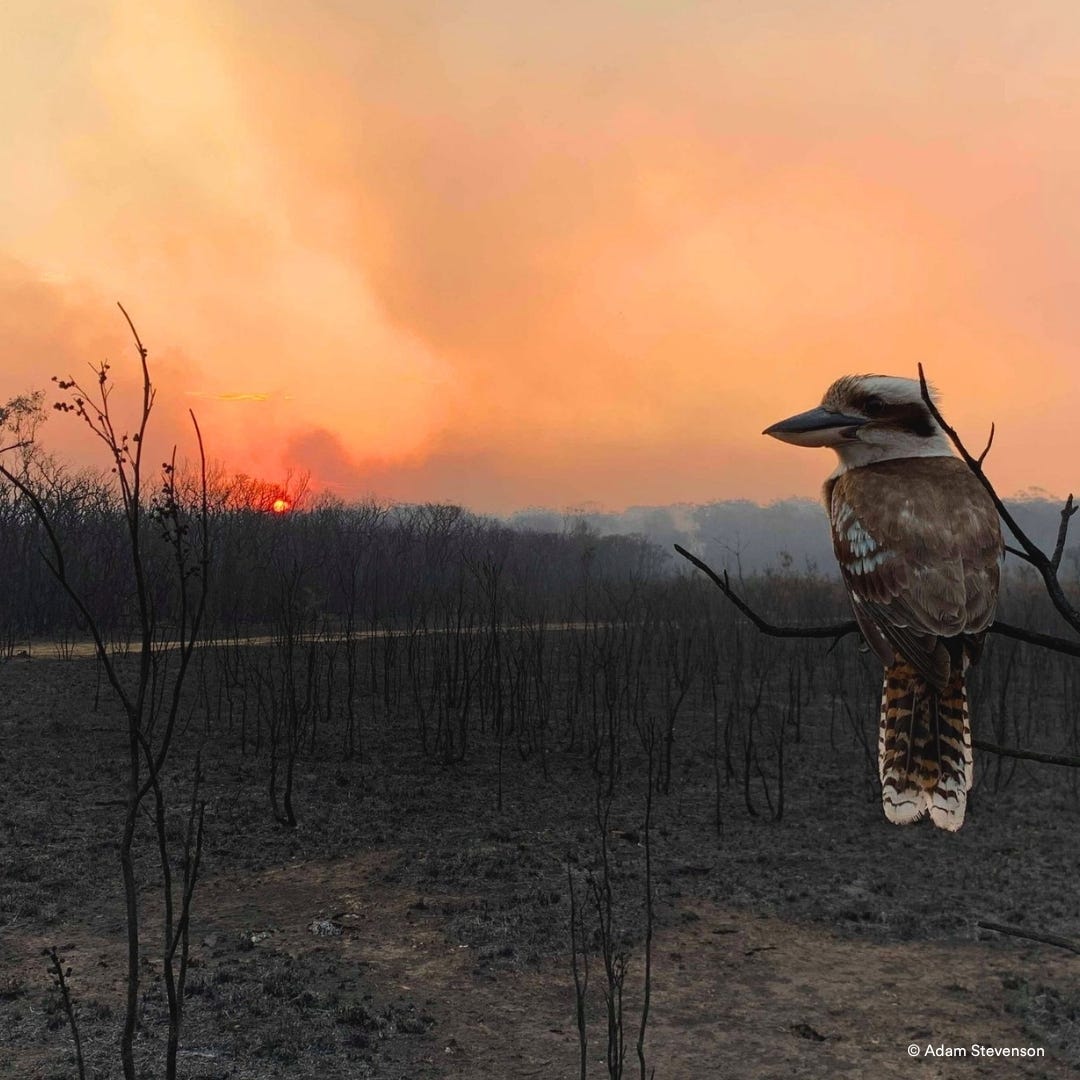
Nature faces unprecedented threats.

Turning strategy into action
Re:wild's eight core conservation strategies guide how we collaborate with partners, from governments to Indigenous Peoples and local communities, to protect wildlife, restore habitats, and empower local guardians.
Advocating for Earth
Turning stories into global policy change.
Cultivating Leaders
Growing the next generation of conservation leaders.
Exploration
Searching for lost species and ones we haven’t found yet.
PCA Creation
Putting new wild places under lasting protection.
PCA Management
Ensuring safe, well-managed protected areas.
Restoration & Rewilding
Rebuilding habitats and native species.
Species Recovery
Helping species not just survive, but thrive.
Wildlife Crime Prevention
Preventing poaching and wildlife trafficking.