The Bahamas

The Bahamas is home to the world's third-largest barrier reef, more than 300 bird species, and marine ecosystems that underpin a billion-dollar tourism economy. Re:wild and the Bahamas National Trust are working to protect and restore them.

Support Conservation in The Bahamas
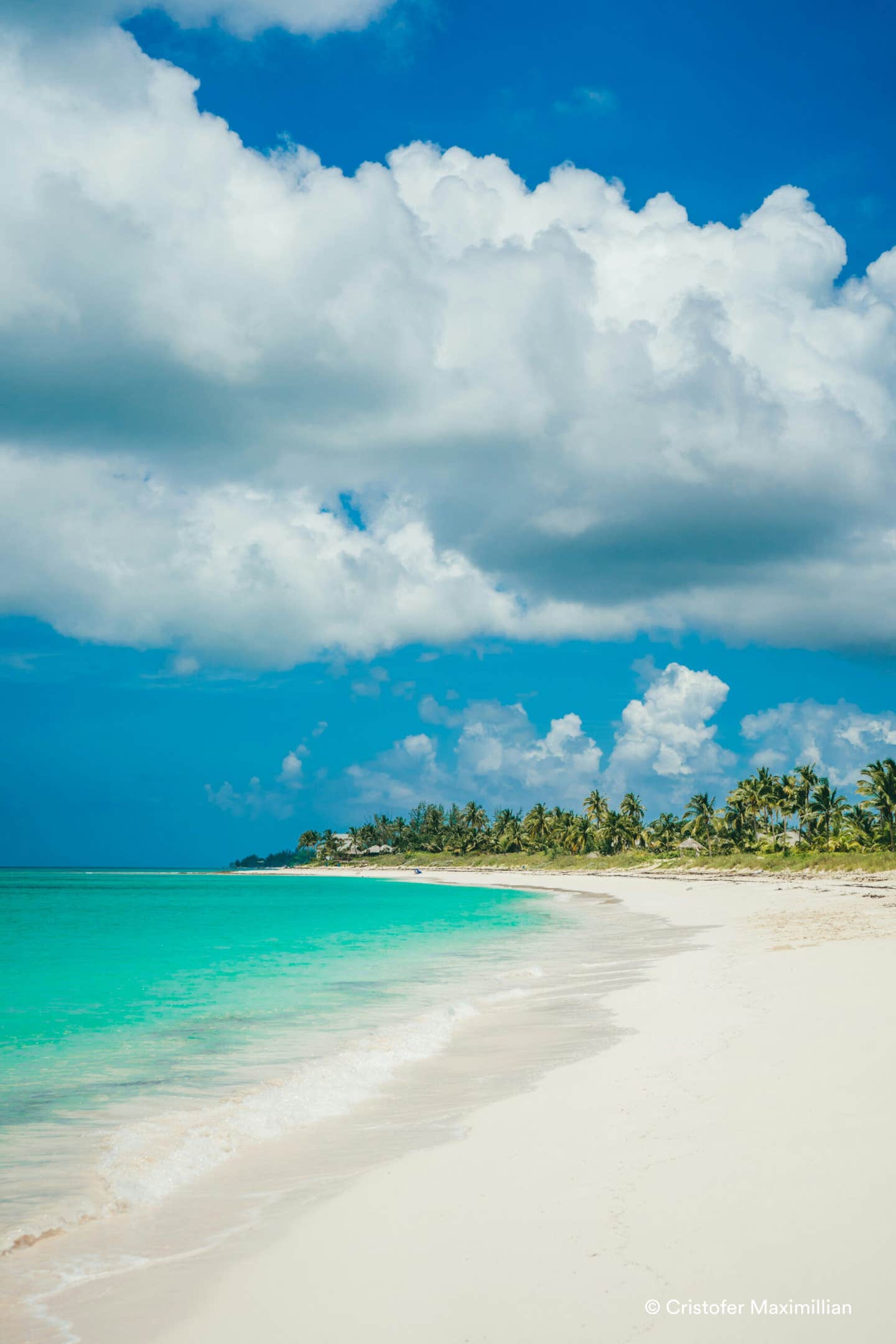
The Bahamas sits at the intersection of extraordinary biodiversity and extraordinary climate risk.
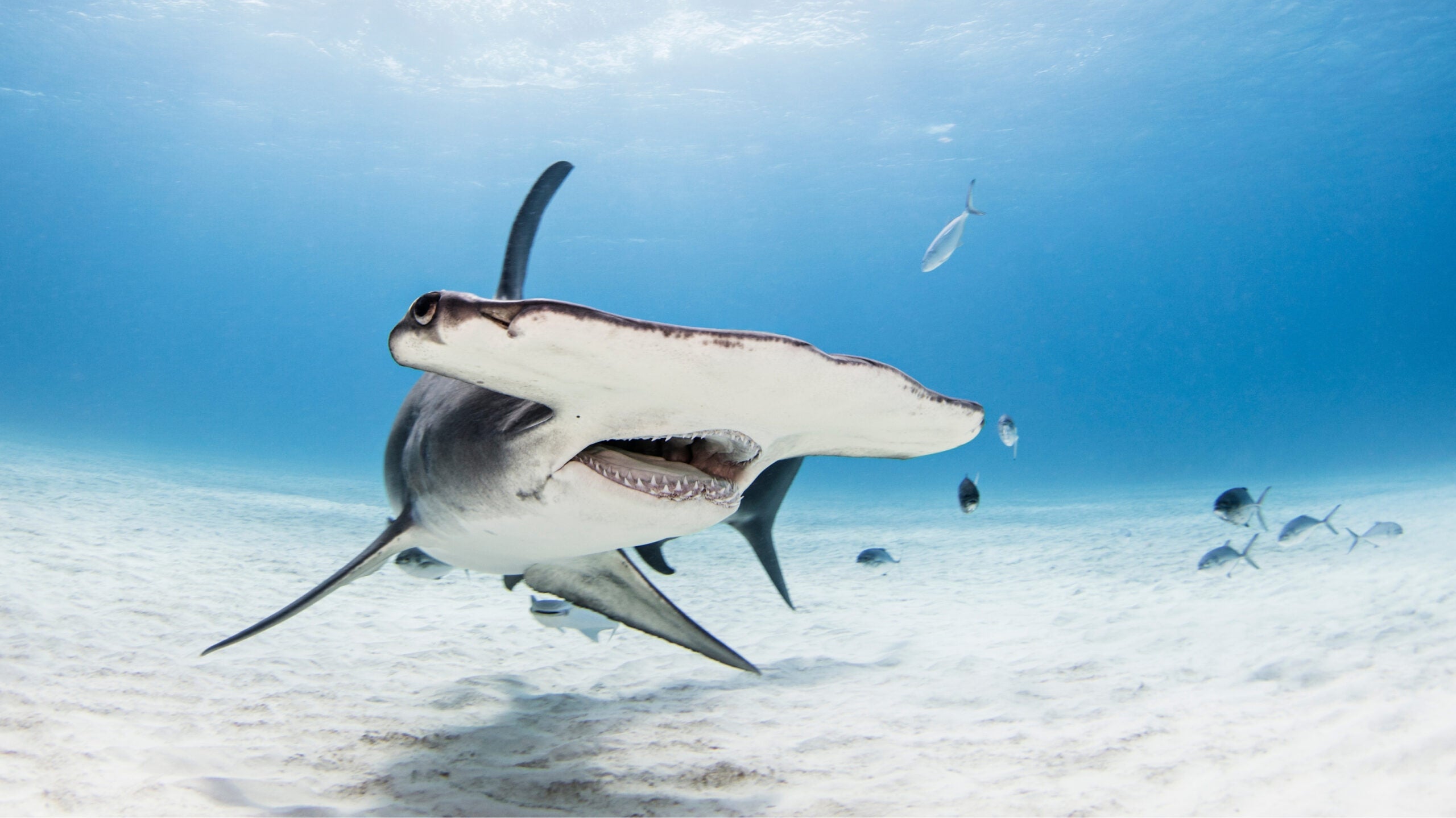
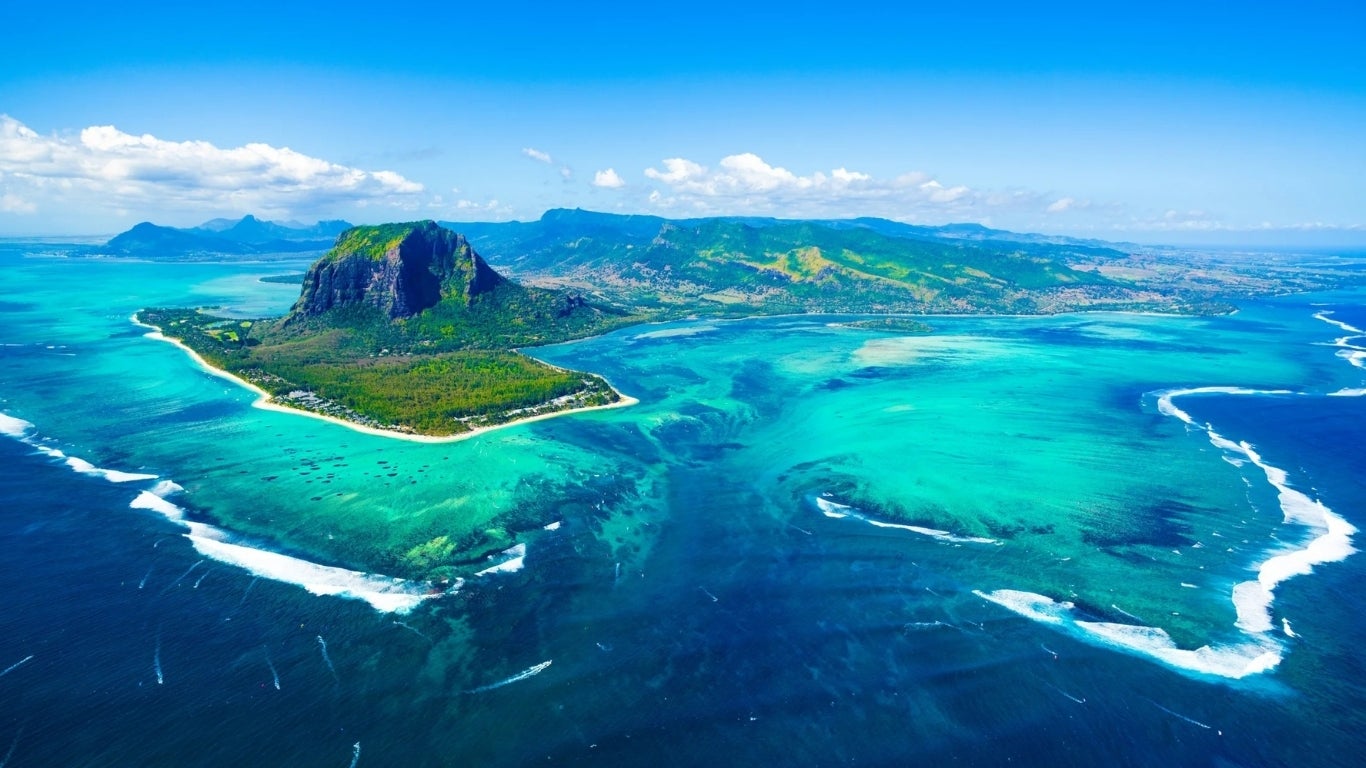
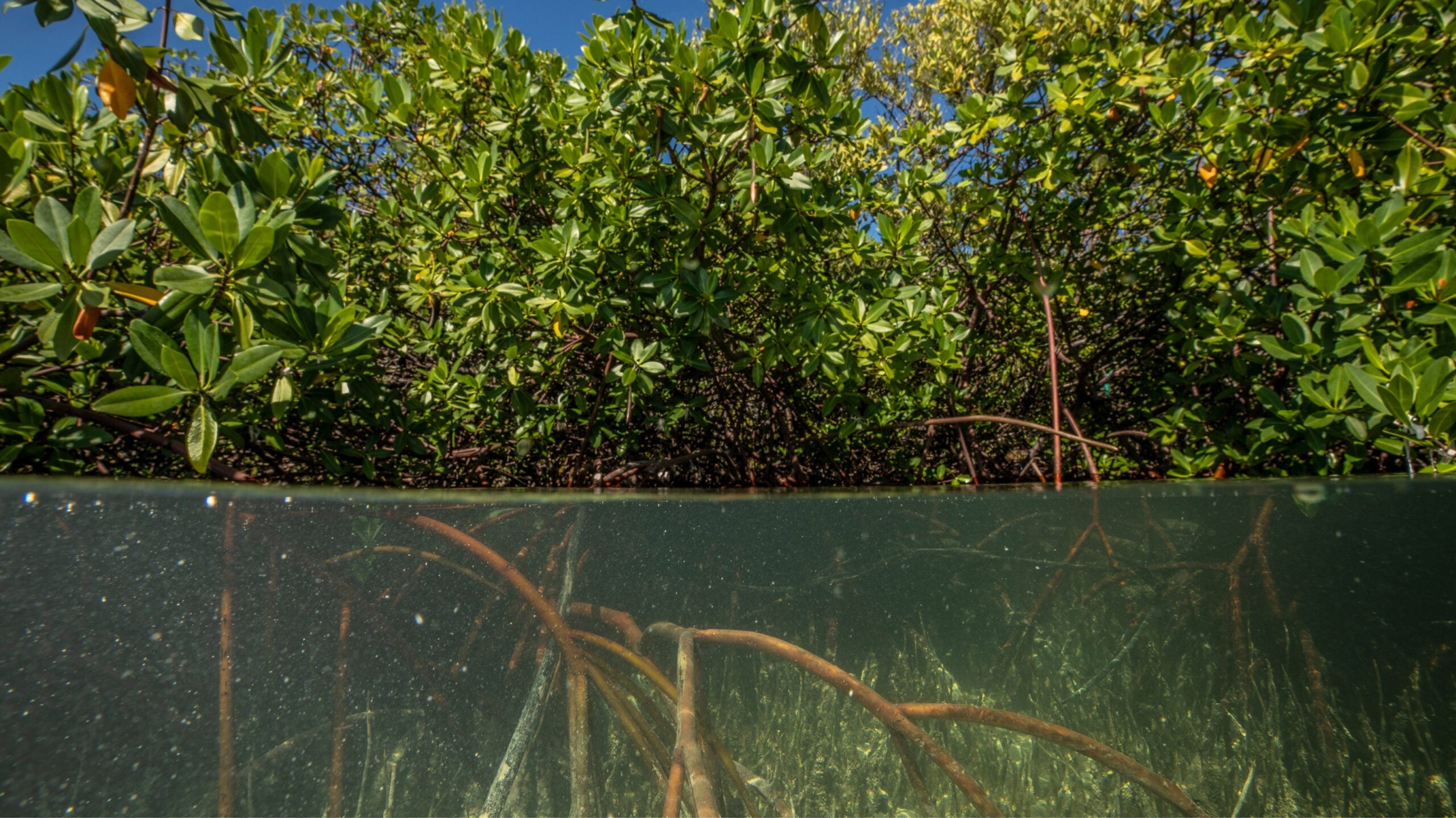
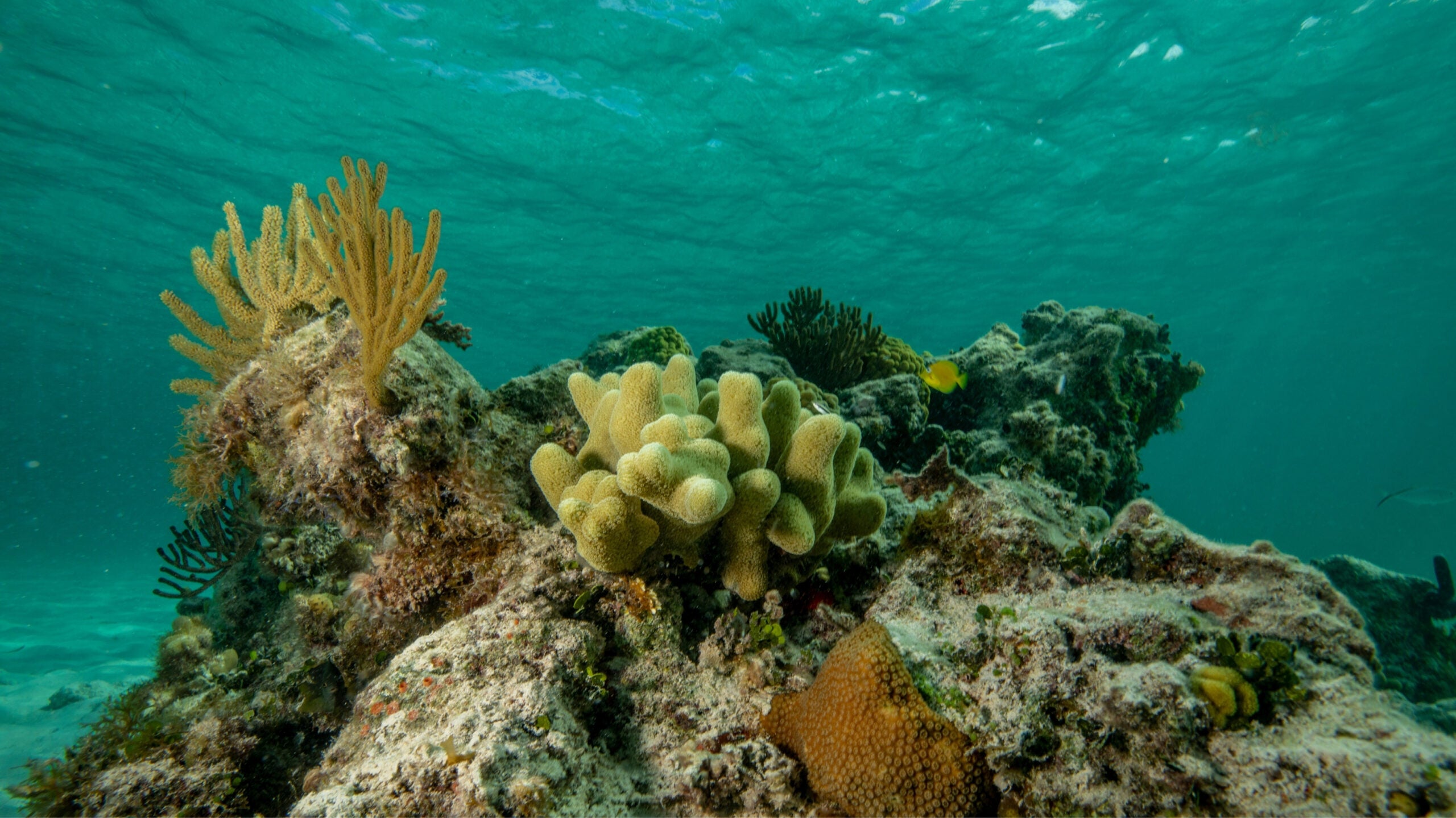
The Bahamas is part of the Caribbean Biodiversity Hotspot, home to the world's third-largest barrier reef, more than 300 bird species, and seagrass beds and mangrove forests that lock away carbon more effectively than tropical forests. These ecosystems are not just ecologically irreplaceable. They are the foundation of a tourism economy that provides 45% of the country's GDP and half its jobs.

They are also under serious pressure. Introduced predators, coastal development, unsustainable fishing, and hurricanes intensifying with climate change are all compressing what remains. Hurricane Dorian in 2019 devastated Abaco and Grand Bahama, badly damaging coral reefs, coastal mangroves, and the native pine forests that two Critically Endangered bird species depend on.

Shark tourism in The Bahamas alone is worth nearly $115 million a year.

The Bahamas' reefs, seagrass beds, and mangroves protect coastlines from storm surge, provide breeding grounds for hundreds of species, and make the country one of the most sought-after marine destinations on Earth. When these ecosystems go, everything built on top of them goes with them.
Identifying and protecting Key Biodiversity Areas
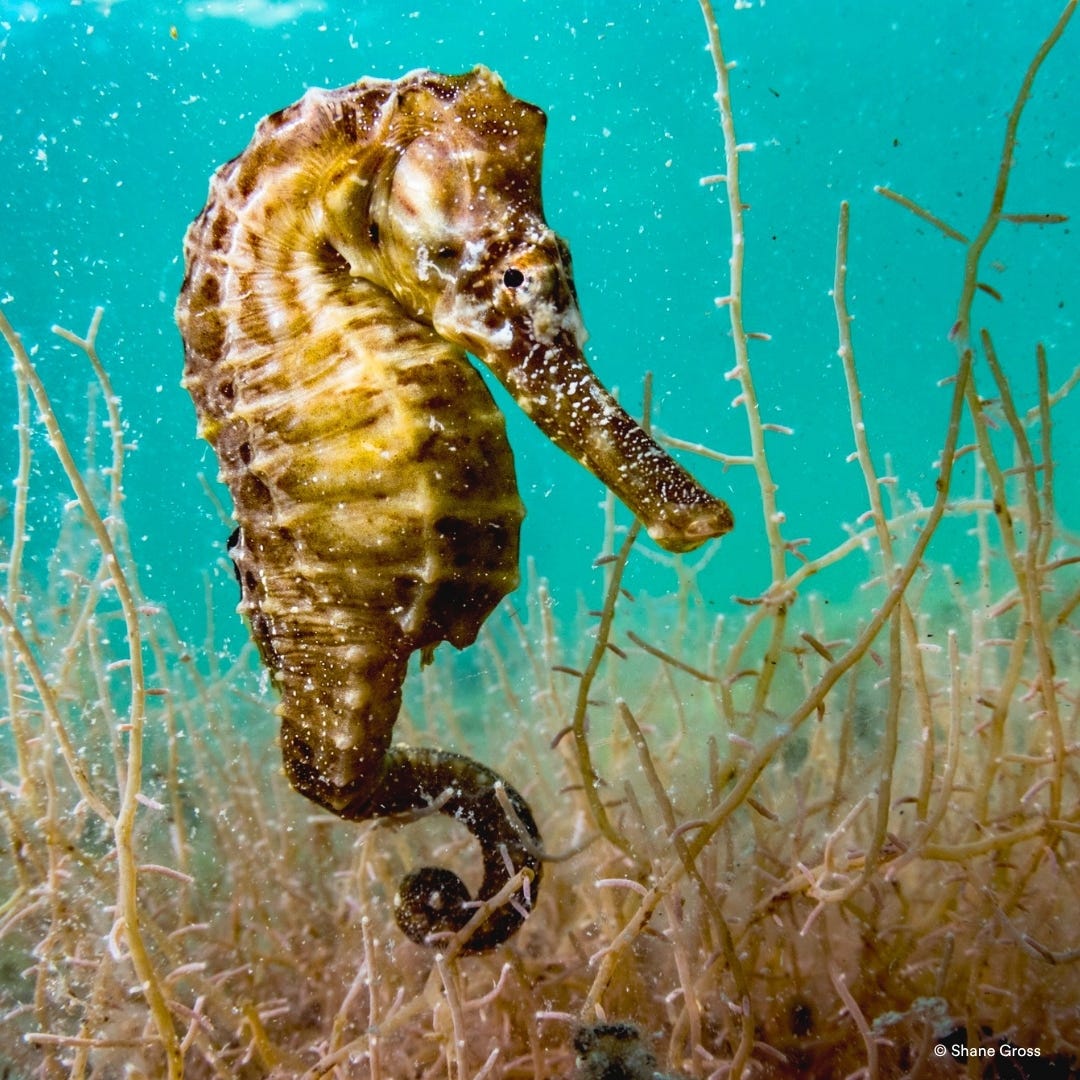
Re:wild works with the Bahamas National Trust to map all Key Biodiversity Areas across the country, propose unprotected sites for inclusion in the national protected area network, and build monitoring systems across all 33 parks covering 2.2 million acres.

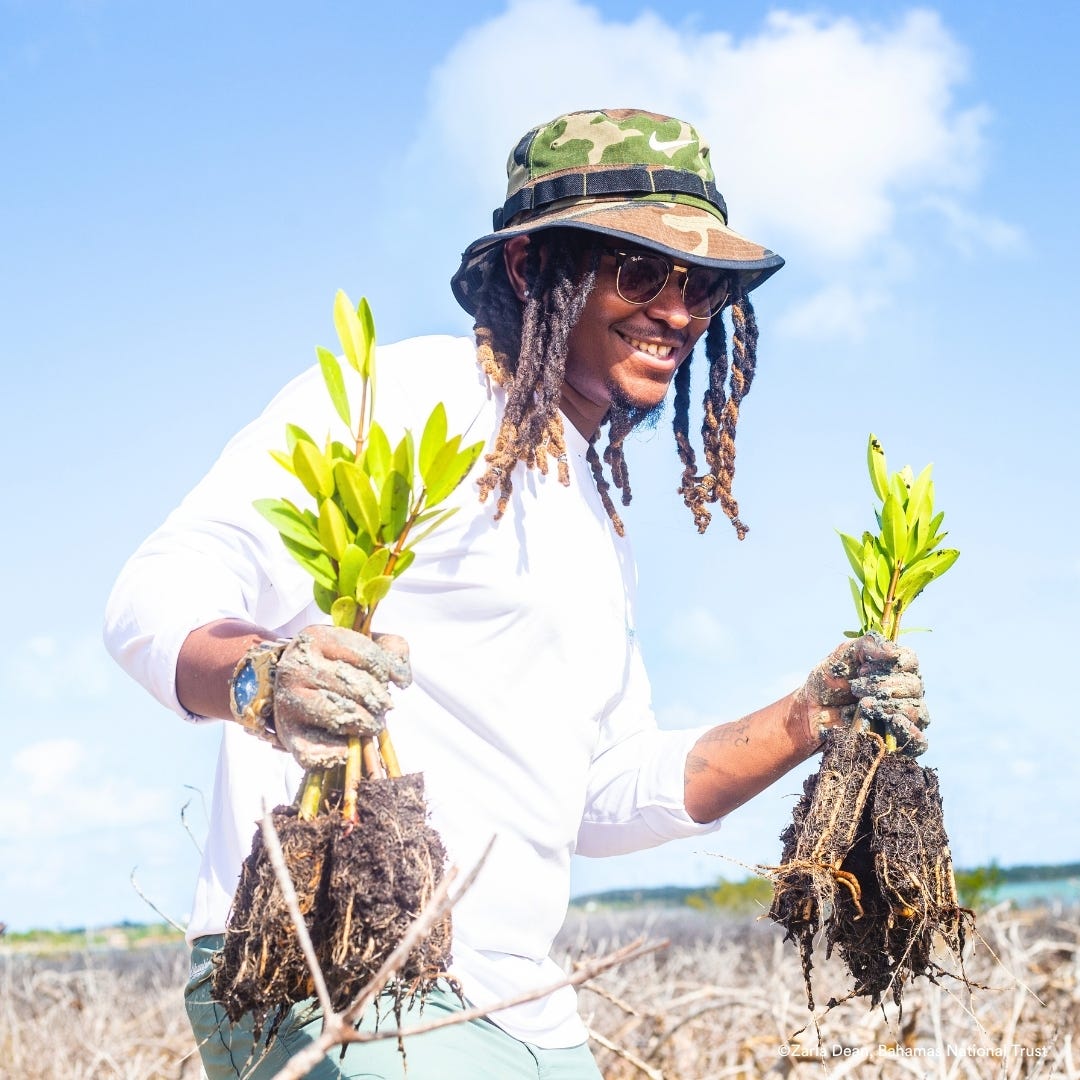
After Hurricane Dorian, Re:wild supported the Trust in studying storm impacts on coral, mangroves, the Critically Endangered Bahama Nuthatch, and the Endangered Bahama Warbler. Reforestation plans for the damaged mangroves and pine forests of Abaco and Grand Bahama are now underway.

Rolling out SMART monitoring tool to stop illegal fishing and wildlife crime

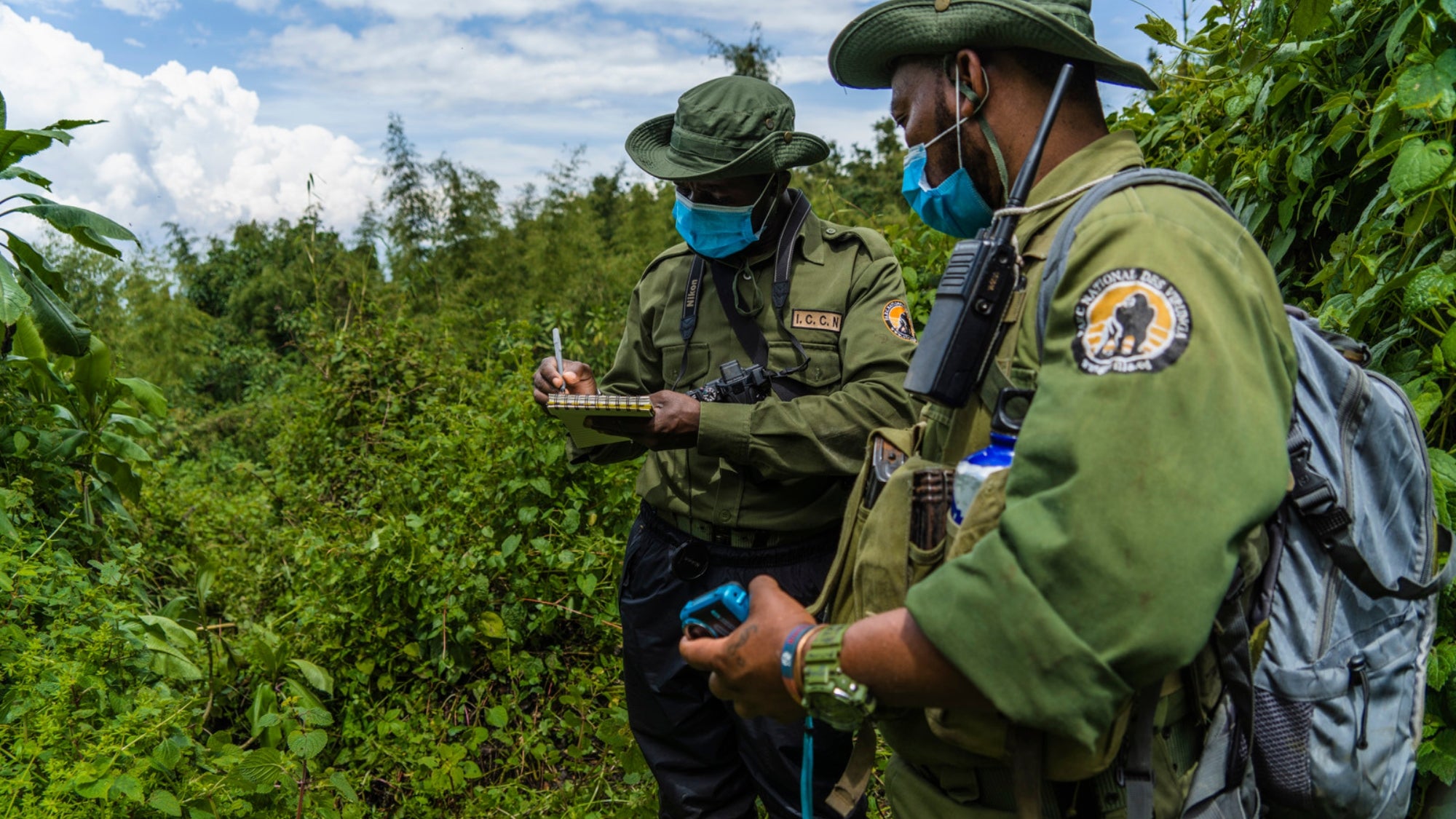
SMART is a conservation management tool that helps rangers collect data, spot patterns, and respond to threats before they become irreversible losses. Re:wild is implementing it across the entire Bahamian protected area network to help rangers prevent illegal reptile hunting, intercept shark fin fishers, and combat illegal conch fishing.

The Bahamas has some of the most valuable marine protected areas in the Atlantic. SMART gives the people protecting them the tools to do it well.

Every wild place has a story.

Explore the landscapes, the species, and the people working to protect them.

Stay in touch.

Get exclusive stories, behind-the-scenes updates, and ways to help—delivered to your inbox.

Donate for the wild.

Support real conservation impact—saving species, restoring ecosystems, and rewilding our world.

Donate