Australia

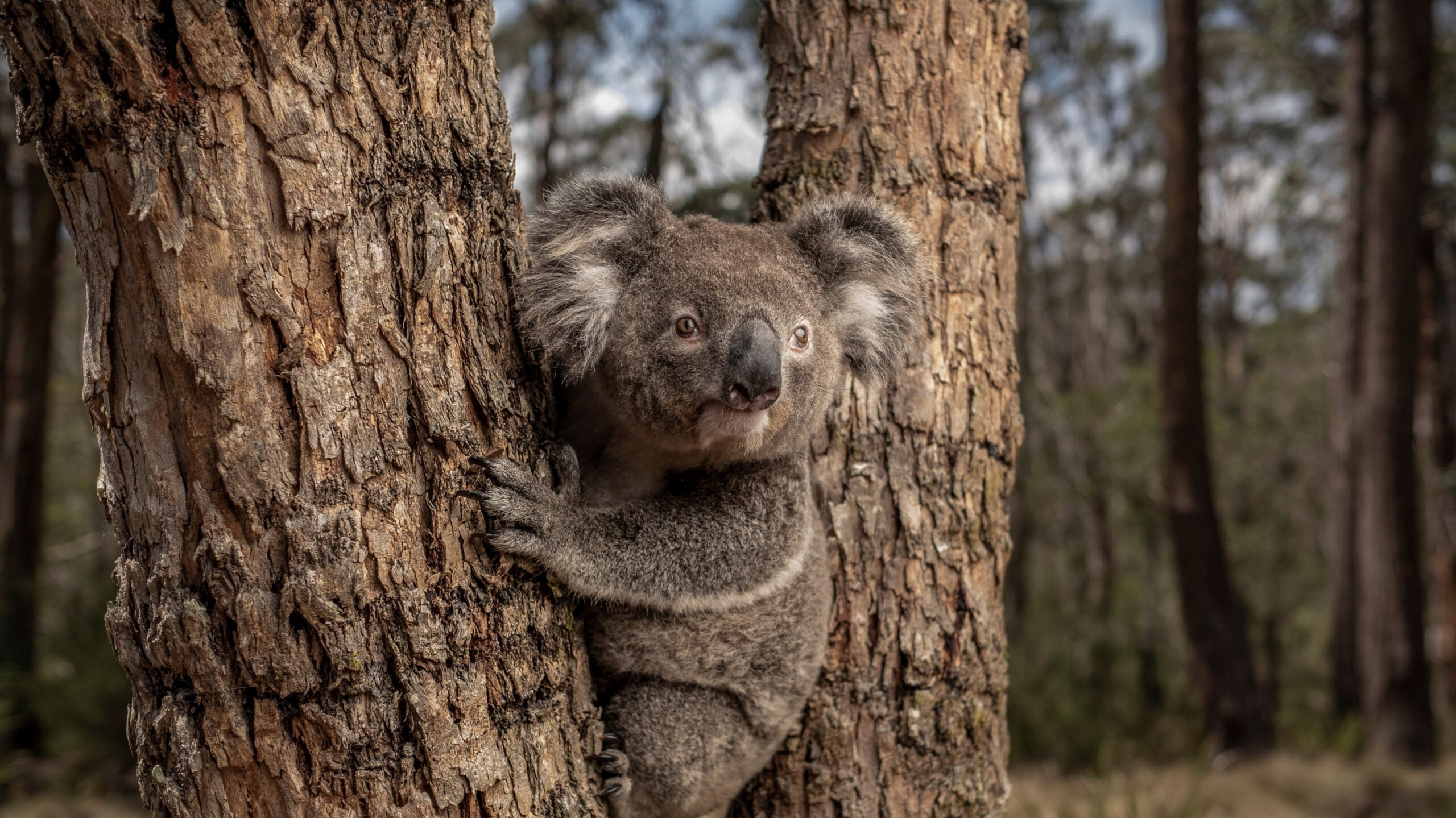
One in three mammal extinctions in the last 400 years has happened in Australia. Re:wild and partners are working to make sure that record stops here. Photo © Georgina Steytler.

Support Conservation in Australia
Challenges in the Land Down Under
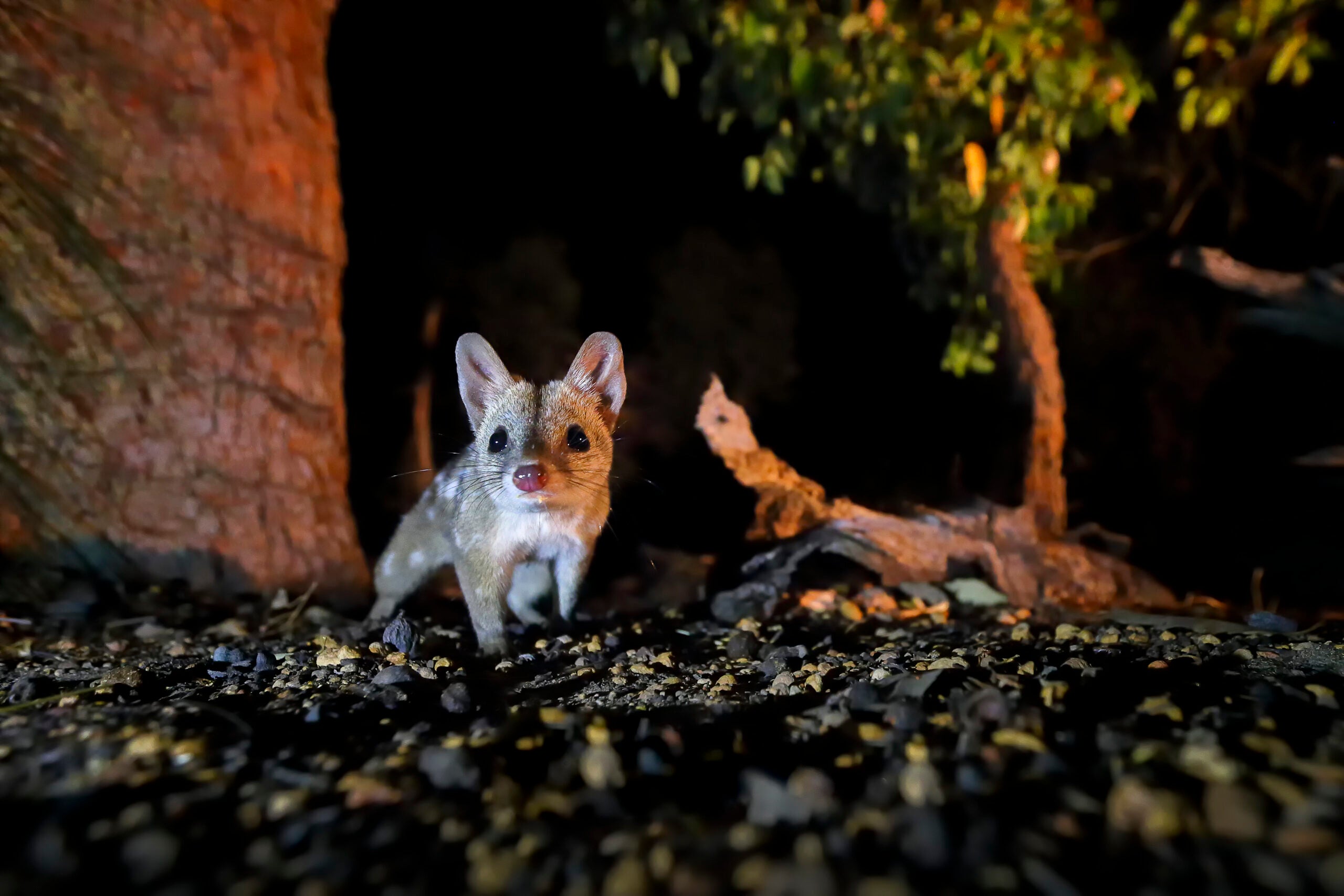
At least 10% of Australia's mammal species have gone extinct since European colonization, driven primarily by invasive predators, habitat destruction, and fires burning hotter and faster as the climate changes. Without swift conservation action, an additional 21% of endemic species are predicted to disappear at a rate of one to two per decade.

But this is also a country where conservation is working. Tasmanian Devils are back on mainland Australia for the first time in more than 3,000 years. New national parks are being created. First Nations Peoples are leading habitat restoration on their Country. The losses are real and the urgency is genuine. So is the momentum.

Photo © Bush Heritage Australia/Coen Hird
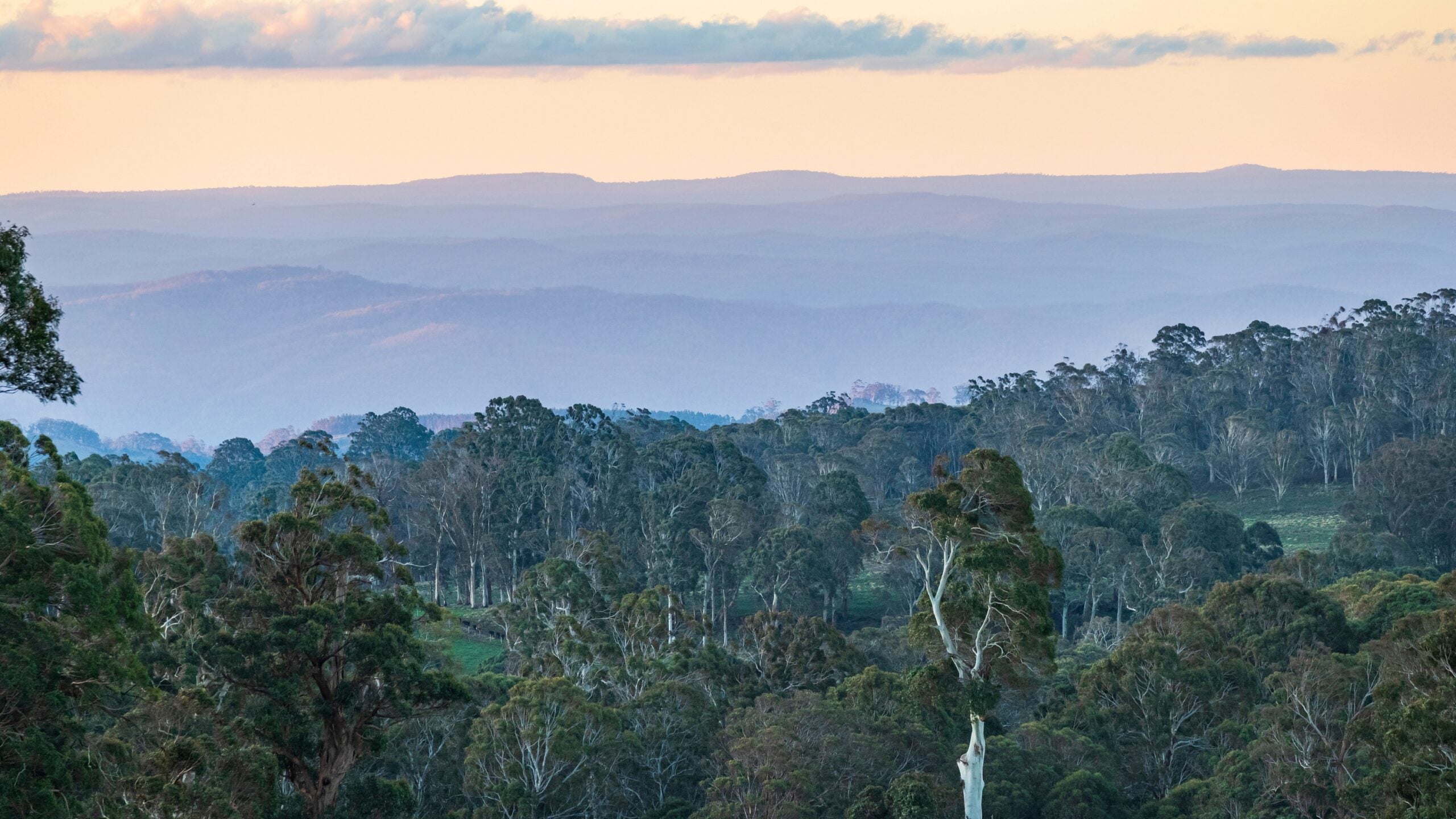
Australia contains two of the world's Biodiversity Hotspots and some of its most ancient ecosystems.

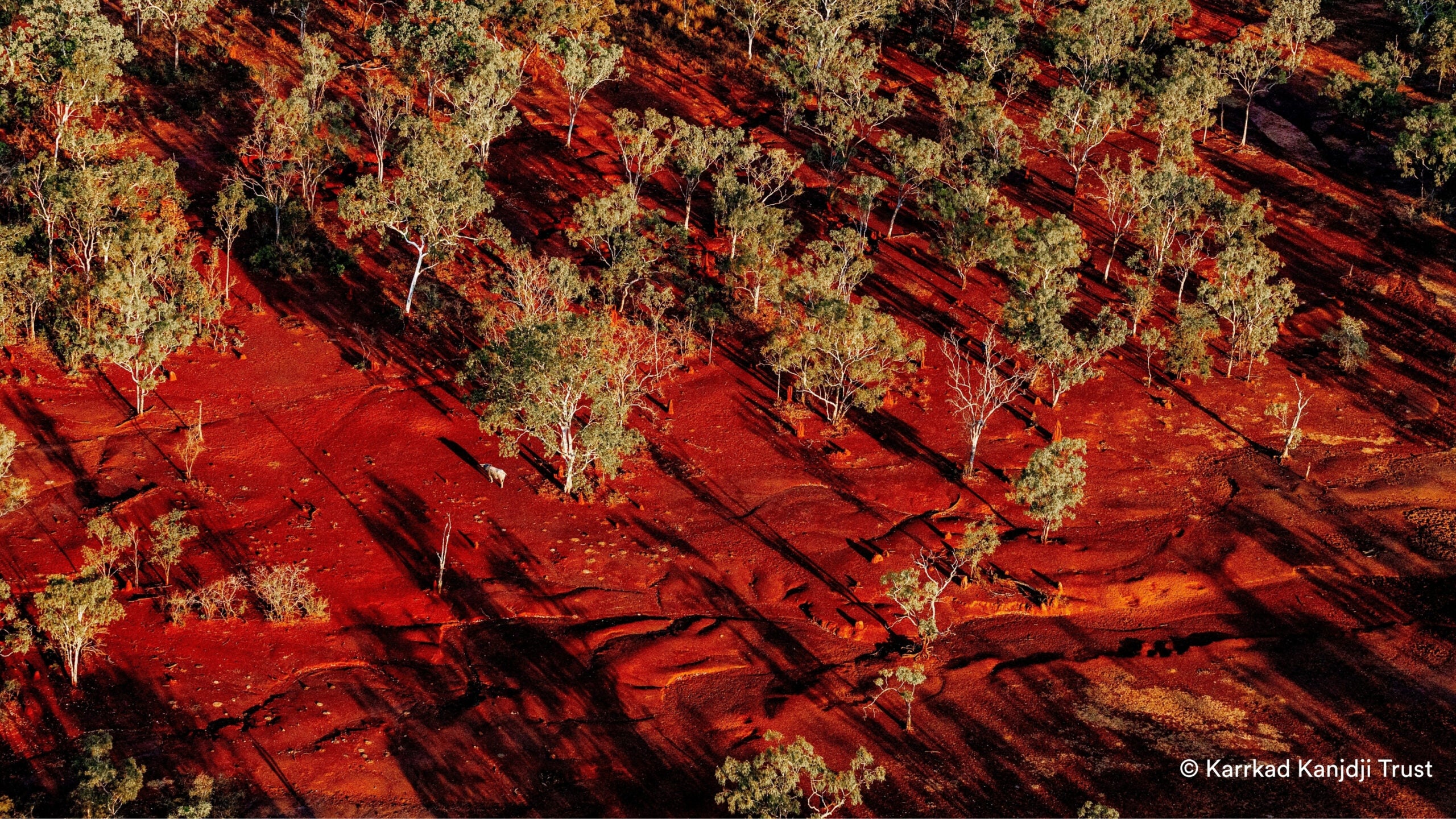
The Gondwana Rainforests of New South Wales are a World Heritage site. The forests of East Australia shelter species that have survived for tens of millions of years. These are not ecosystems that can be rebuilt once they are gone, every species lost here is a unique branch of the tree of life. Re:wild is here because what happens in Australia matters far beyond its borders. Photo © Karrkad Kanjdji Trust

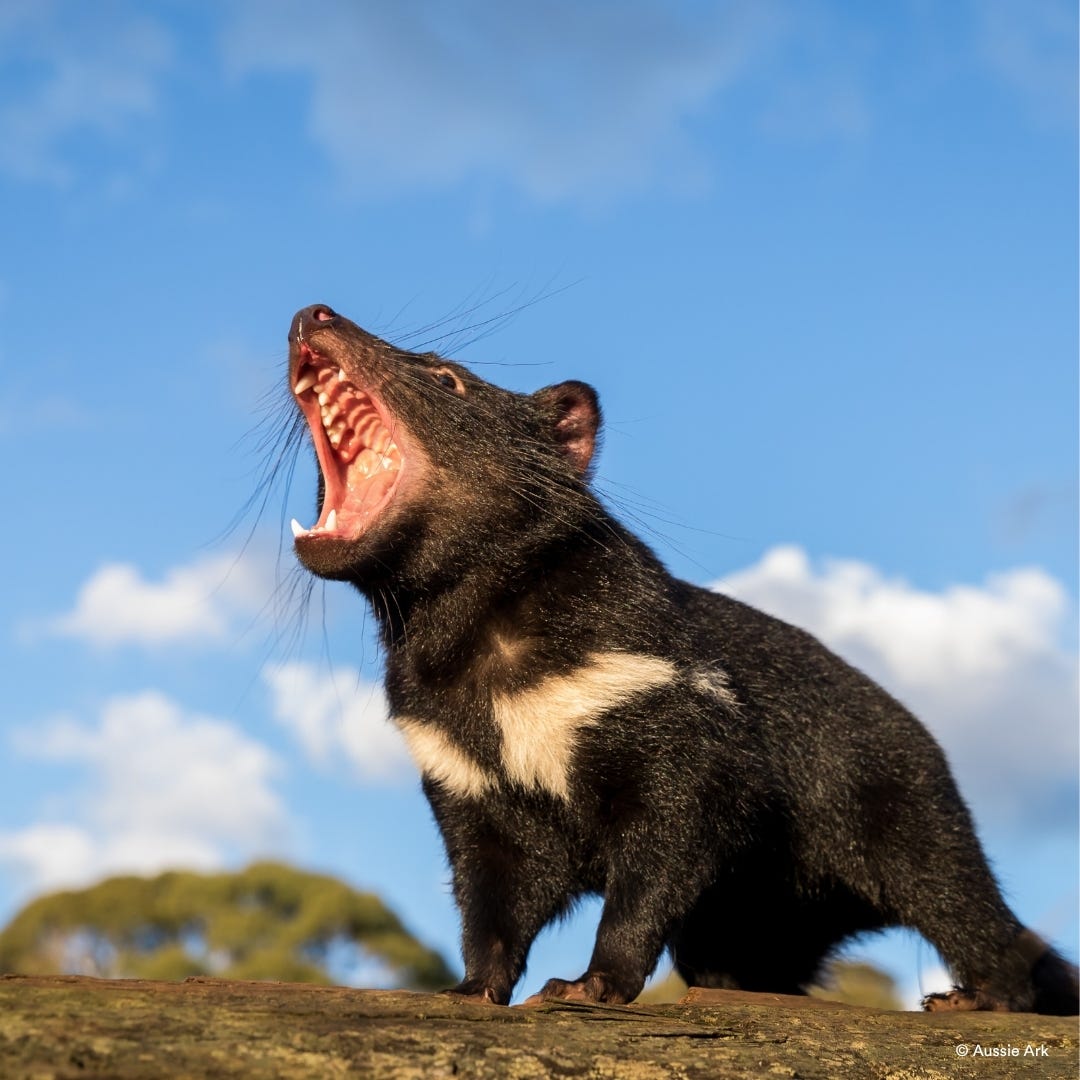
Tasmanian Devils are back on the mainland.
Since 2011, Re:wild has worked with Aussie Ark on a conservation breeding program at Barrington Tops National Park in New South Wales. In 2020, 26 Tasmanian Devils were released into a nearly 1,000-acre wildlife sanctuary, the first to live wild on mainland Australia in more than 3,000 years. Aussie Ark has become the largest, most successful, and most economical conservation breeding program for the Endangered Tasmanian Devil.

The Tasmanian Devil is more than a conservation icon. As the world's largest carnivorous marsupial, it helps control feral cats and foxes, the invasive predators responsible for much of Australia's mammal extinction toll. Bringing it back is an act of ecological restoration as much as species recovery.

Re:wild, Colossal, and Aussie Ark are now collaborating to restore habitat at Barrington Tops for the rewilding of Tasmanian Devils and six other cornerstone species, including the Eastern Quoll, Brush-tail Rock Wallaby, Rufous Bettong, Long-nosed Potoroo, Parma Wallaby, and Southern Brown Bandicoot.

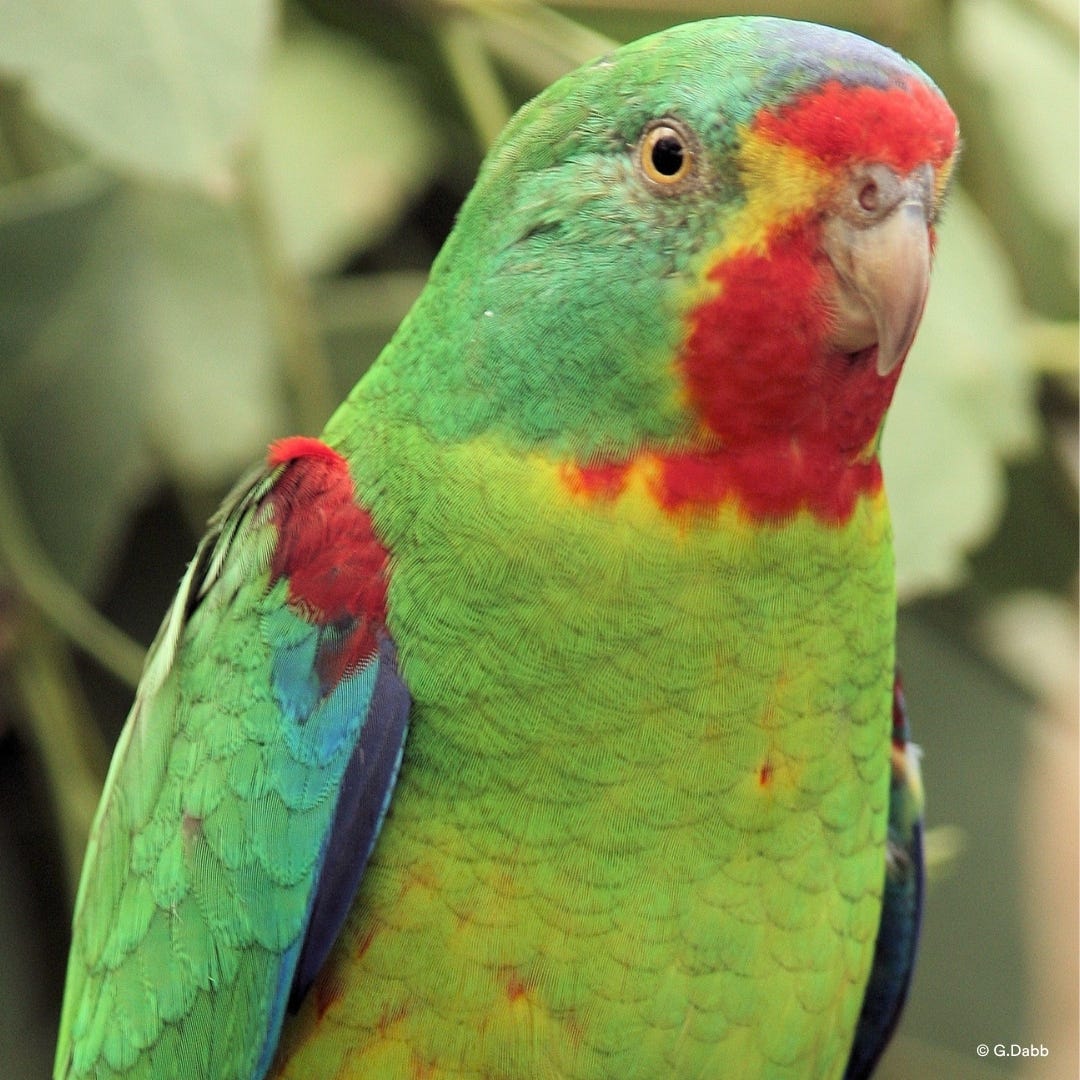
Logging is pushing the Swift Parrot toward extinction.

The Critically Endangered Swift Parrot breeds only in Tasmania, and native forest logging is still legally permitted there, clearing the very trees the birds depend on to nest and raise young. Fewer than 1,000 individuals remain. Re:wild is partnering with the Bob Brown Foundation to end native forest logging in Tasmania, New South Wales, and Queensland, the last three Australian states where it remains legal.

Beyond the Swift Parrot, Re:wild is also expanding Australia's protected area network. In June 2024, the 43,000-hectare Lakes National Park was created in Queensland, protecting critical habitat for the threatened Greater Glider and the Little Bent-wing Bat. It is the second of three new parks being established through the Eastern Outback Parks project, coordinated by The Nature Conservancy and funded by the Wyss Foundation and Re:wild in partnership with Art Into Acres.

This is what conservation looks like on the ground.

Our Partners
Stay in touch.

Get exclusive stories, behind-the-scenes updates, and ways to help—delivered to your inbox.

Donate for the wild.

Support real conservation impact—saving species, restoring ecosystems, and rewilding our world.

Donate