Kianjavato
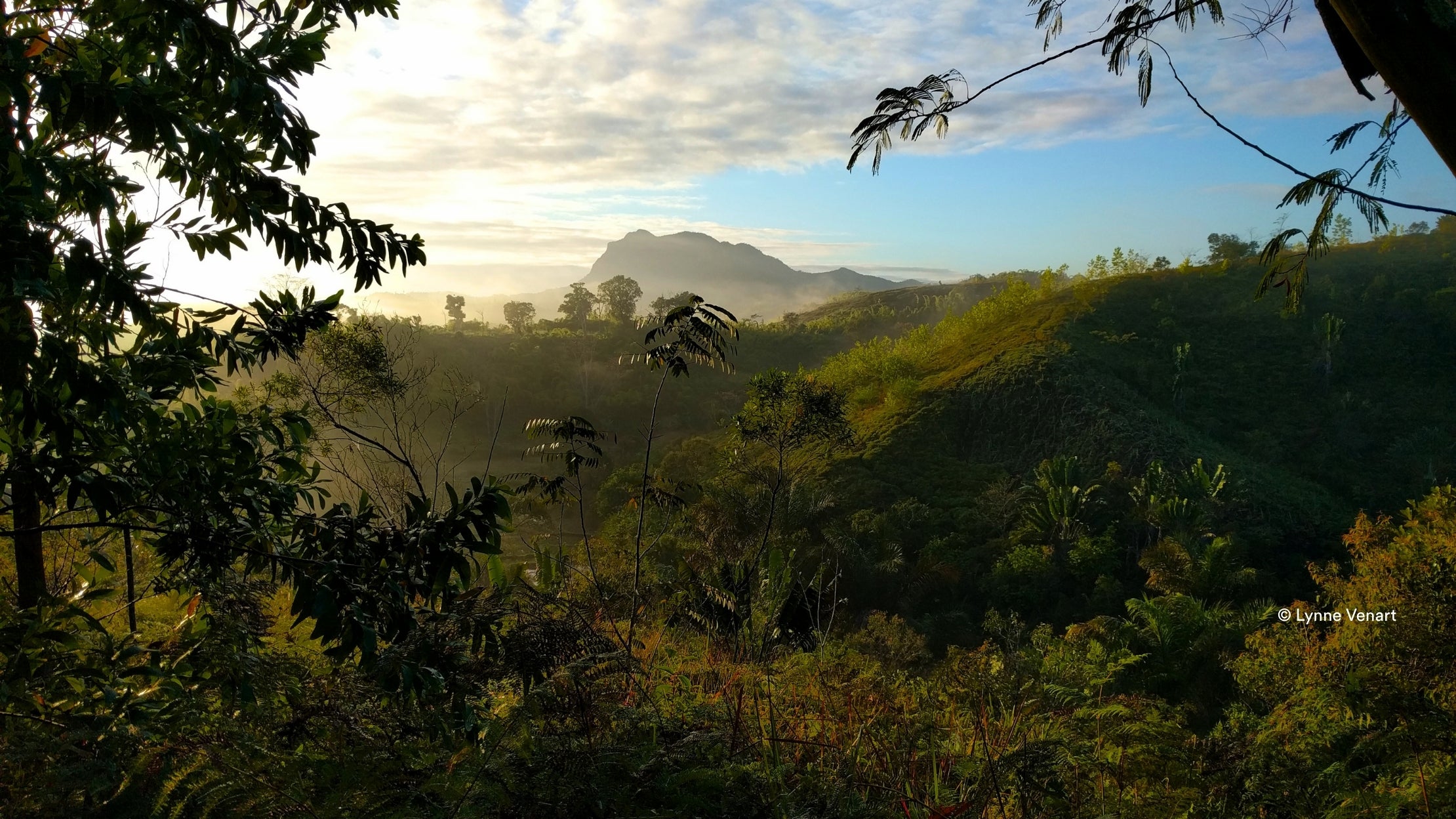
A rainforest in southeast Madagascar shelters nine species of lemur, including some of the most endangered primates on Earth. Re:wild and local partners are replanting it, one tree at a time.
Support Conservation in Kianjavato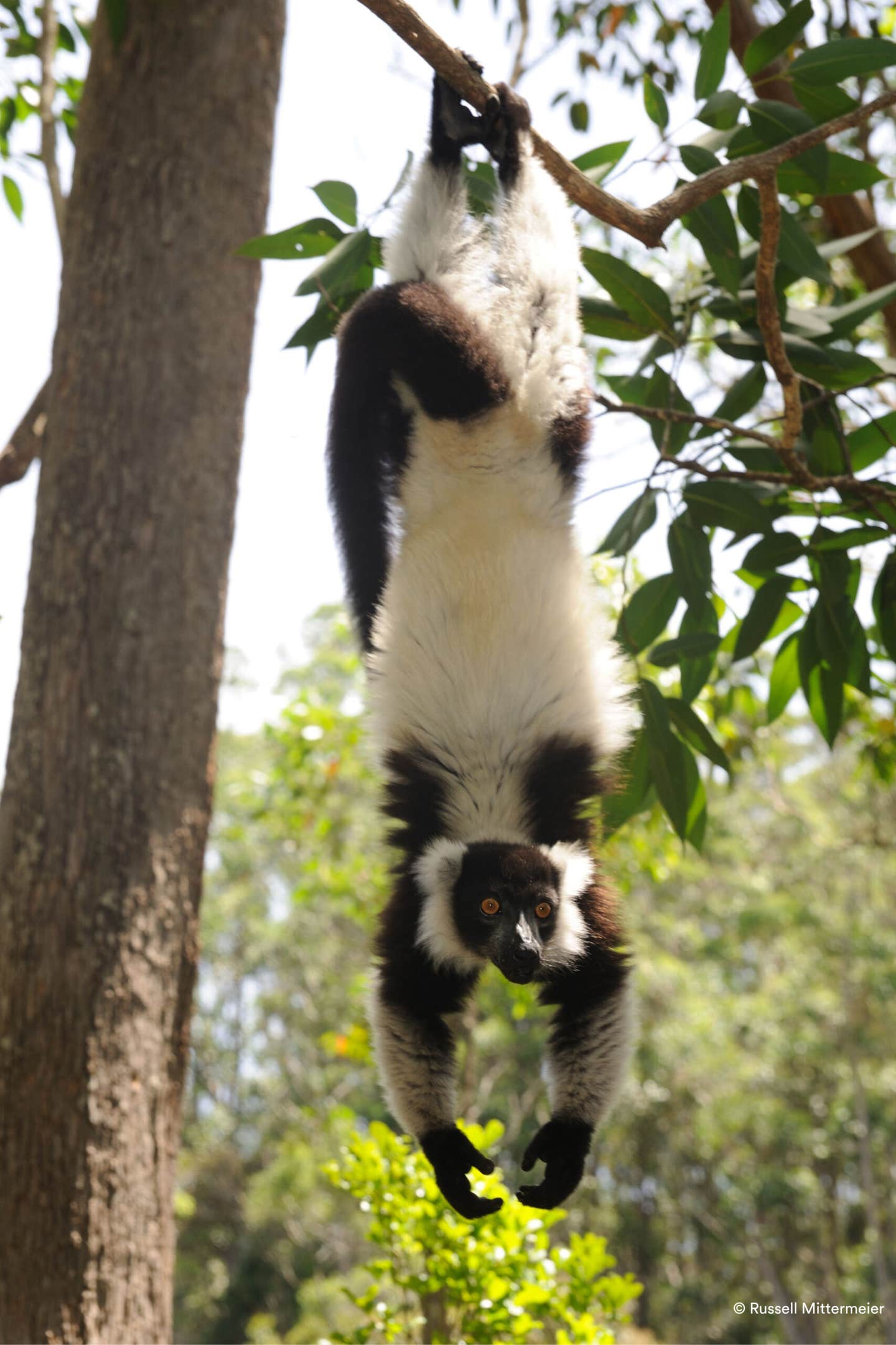
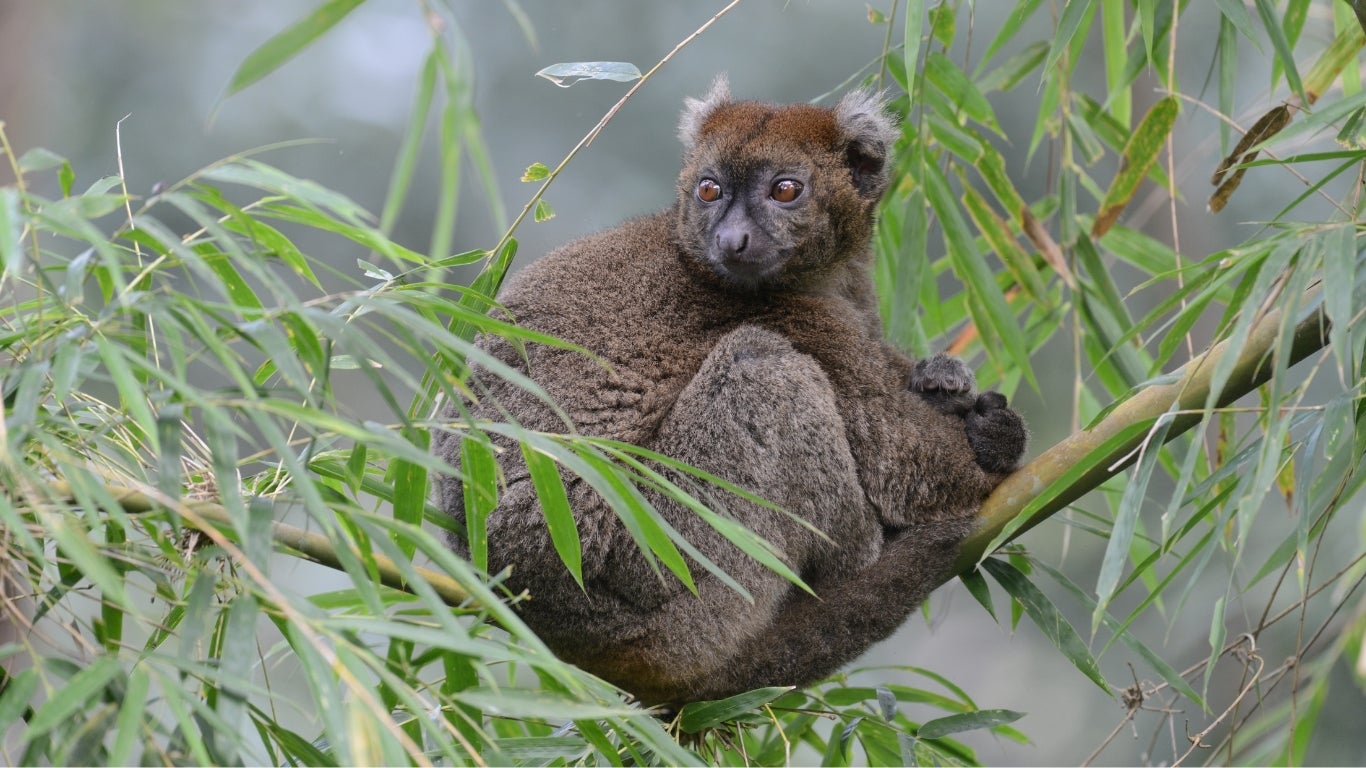
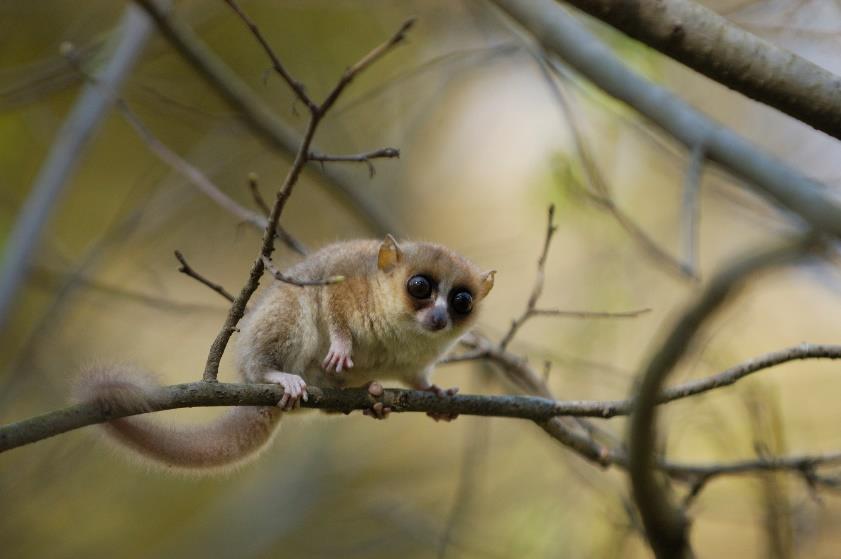
Nine lemur species. One forest.
94% of Madagascar's lemurs are threatened with extinction. Kianjavato is one of the places fighting back.
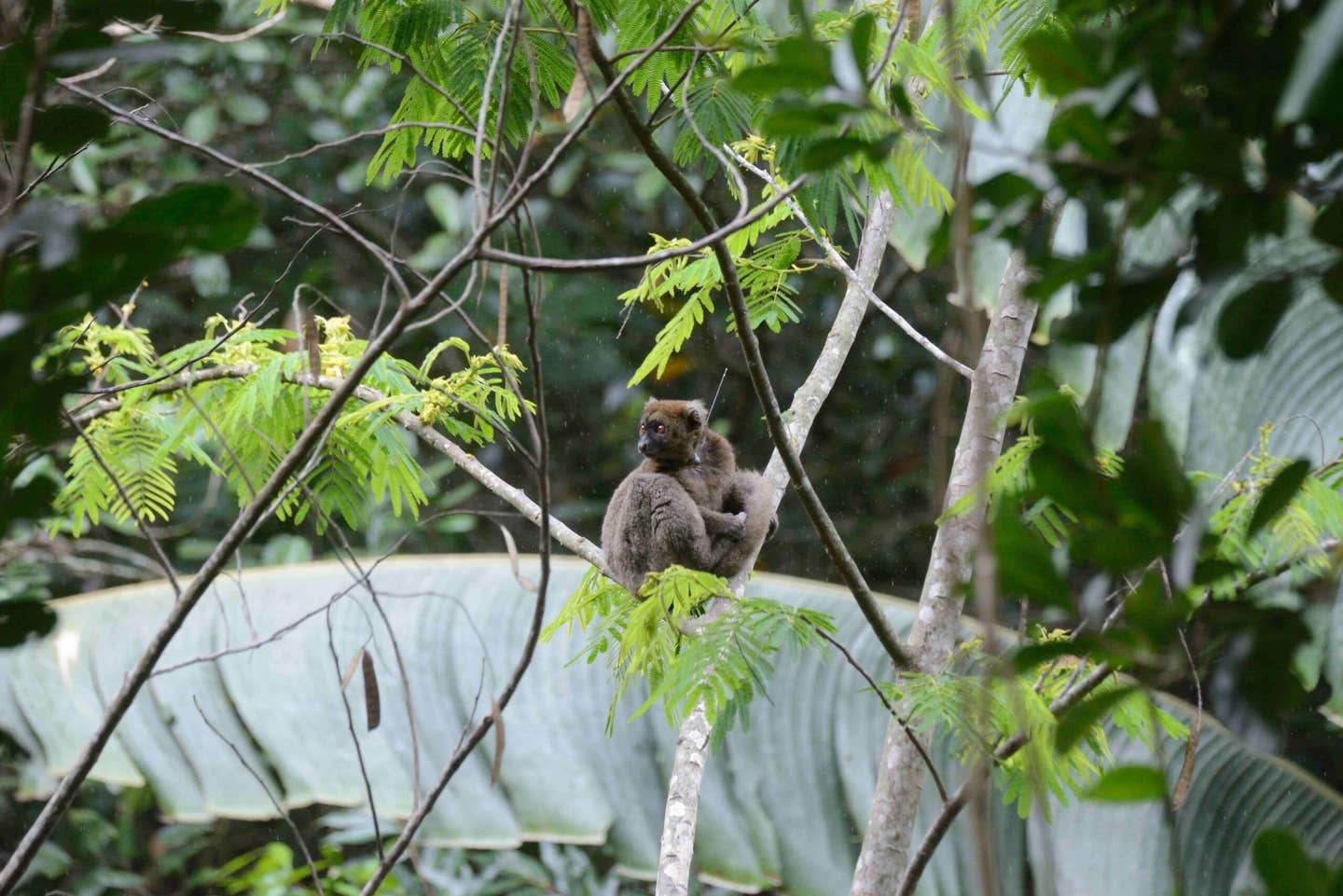
Hunting and habitat loss have pushed lemurs to the edge. They are the world's most threatened group of primates. Restoring the forests they depend on is one of the most direct interventions available. At Kianjavato, that restoration is already underway at serious scale. Photo © Russell Mittermeier
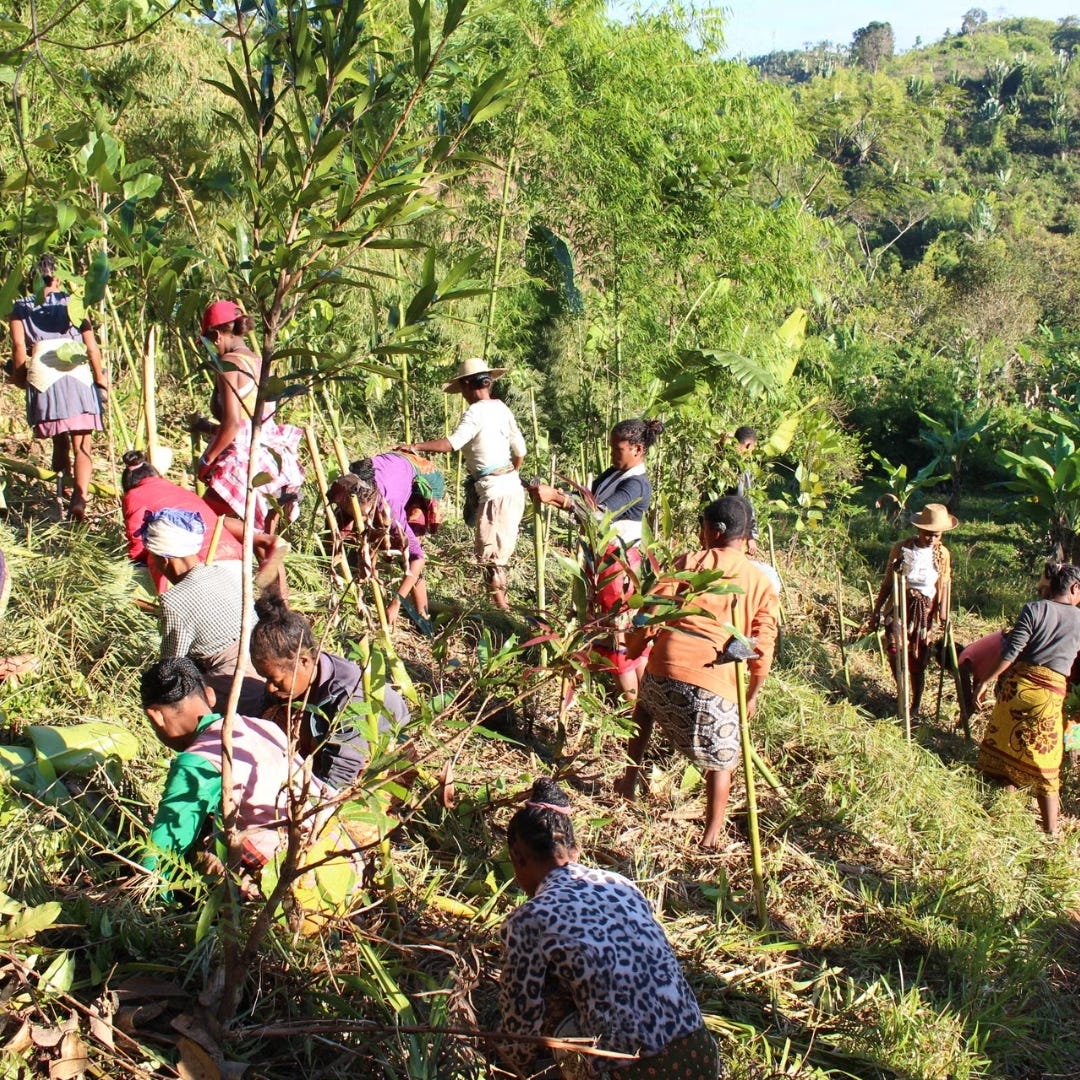
Twenty nurseries, nearly four million trees.
The Re:wild Solution
Re:wild supports MBP's work at Kianjavato because it represents exactly the kind of conservation that lasts: locally led, community owned, and built around the economic reality of the people closest to the land.
Our current focus is backing MBP's ambition to plant one million native trees in a single year, a milestone that would dramatically accelerate the restoration of this forest and the wildlife corridors connecting it to surrounding habitat. Alongside that, we are supporting expanded community participation, increased local ownership of the program, and greater economic returns for the residents who make the work possible.
Photo © Russell Mittermeier
Our current focus is backing MBP's ambition to plant one million native trees in a single year, a milestone that would dramatically accelerate the restoration of this forest and the wildlife corridors connecting it to surrounding habitat. Alongside that, we are supporting expanded community participation, increased local ownership of the program, and greater economic returns for the residents who make the work possible.
Photo © Russell Mittermeier

Lemur monitoring
Long-term population monitoring for Aye-ayes, Black-and-white Ruffed Lemurs, and Greater Bamboo Lemurs, providing jobs and building the scientific record for the region.
Reforestation at scale
20 satellite nurseries and nearly four million native trees planted, restoring degraded forest and critical wildlife corridors.
Community ownership
Land donations from local farmers, local employment, and ecotourism revenue returned to the community keep the program grounded in local investment.
Ecotourism
One of the few reliable places to see the Aye-aye in the wild, generating income that flows directly back to the people protecting the forest.
Our Partners