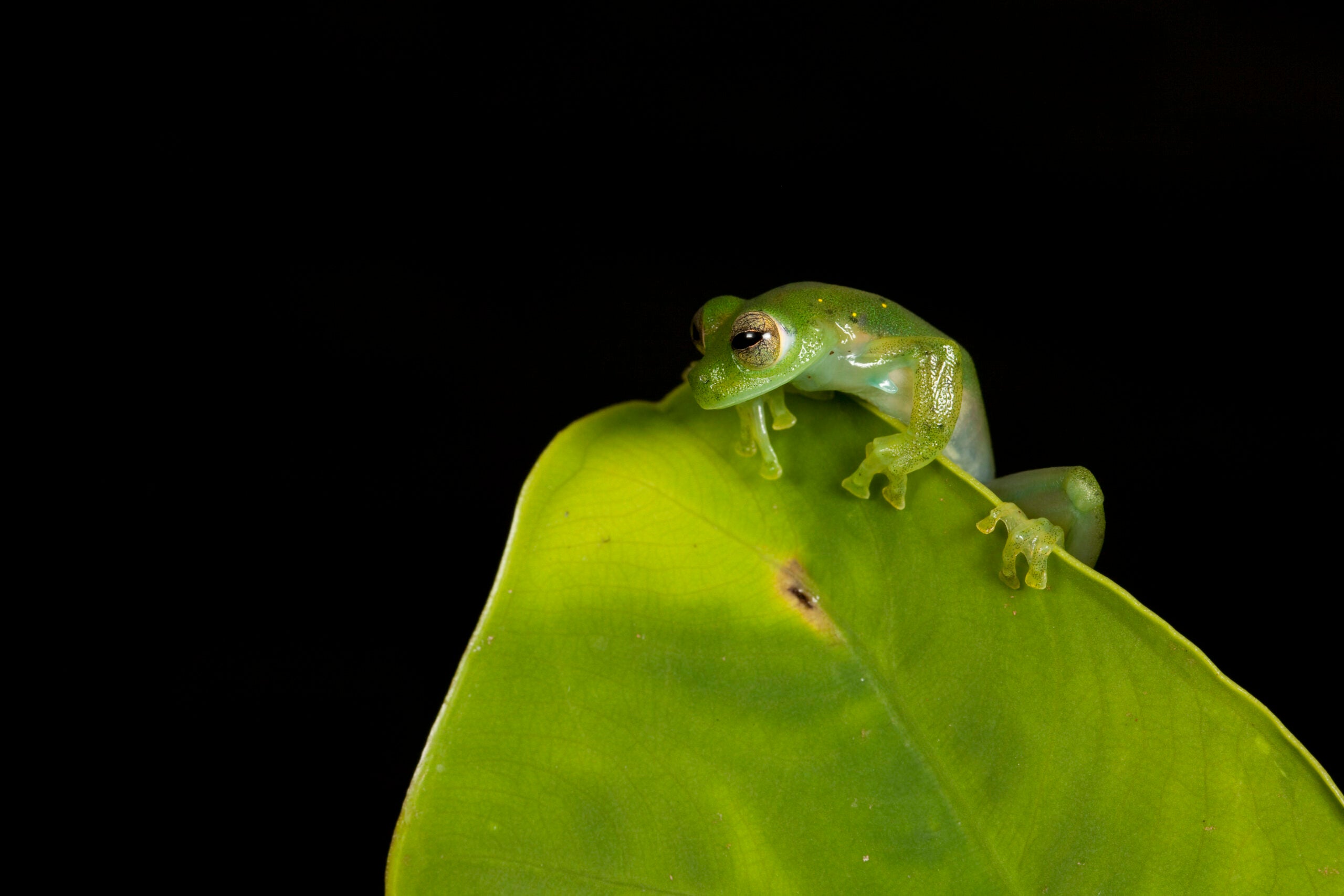
How to Help Amphibians: 10 Ways to Make a Difference
Small actions, big impact — from your backyard to the ballot box, every choice you make can help protect frogs, toads, salamanders, and the incredible ecosystems they depend on.
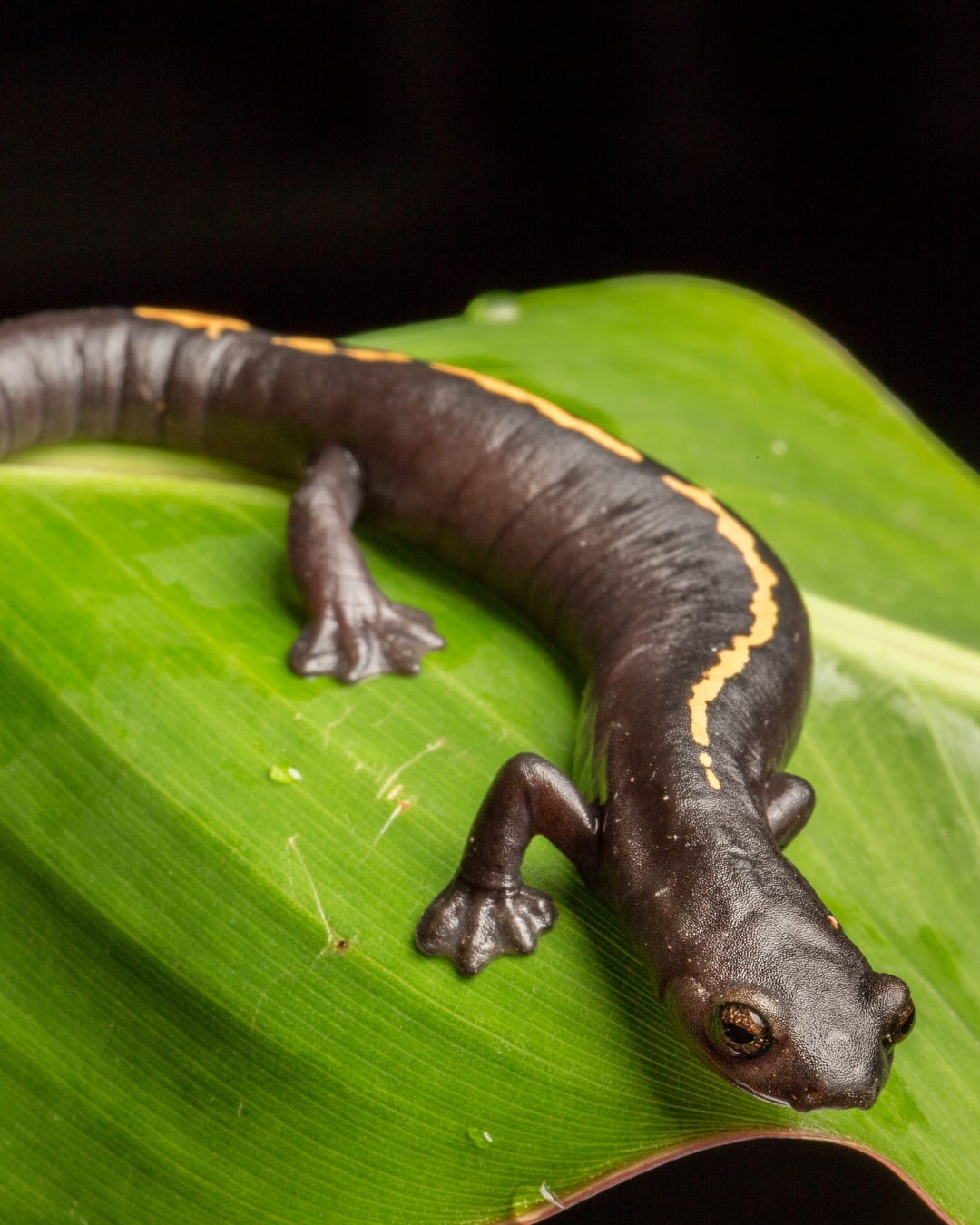
Amphibians are nature’s early warning system.
Here are 10 simple, powerful ways to protect amphibians — starting right where you are.
1. Choose a plant-based diet
Every meal is a chance to protect amphibian homes. Expanding animal agriculture drives deforestation and wetland loss — two of the biggest threats to amphibians. Eating more plants means keeping more wild spaces wild.
Start small: Try Meatless Mondays, swap dairy for oat milk, or check out other suggestions with Re:wild Your Fridge.
2. Shop deforestation-free
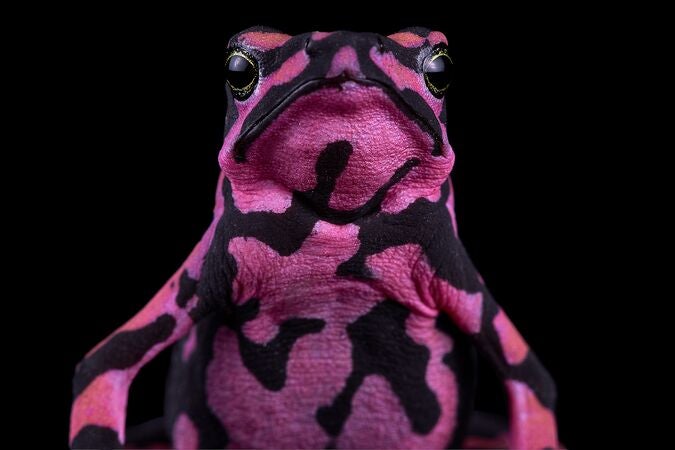
Look for labels like RSPO-certified, Rainforest Alliance, or Fairtrade to ensure your everyday products don’t come from deforested land. Deforestation-free choices help safeguard rainforest species — from poison dart frogs to tree-dwelling salamanders.
Bonus tip: Choose shade-grown coffee and chocolate made with sustainably sourced cacao.
3. Vote for the planet
Your vote matters. Support leaders and policies that protect wild habitats, reduce pollution, and prioritize biodiversity. Local decisions about land use, clean water, and climate have real consequences for amphibians.
Speak up: write to your representatives or attend a town hall — your voice counts.
4. Rewild your backyard
Create a mini haven for amphibians right outside your door. Skip the pesticides, plant native species, and add a small pond or shaded water dish. Even a balcony garden can make a difference.
Go pesticide-free — and watch nature return. Learn how with Rewild Your Campus.
5. Say no to the pet trade
Wild amphibians belong in the wild. The exotic pet trade drains natural populations and spreads deadly diseases like chytridiomycosis. Choose responsible pet options and share the message: wild animals aren’t collectibles.
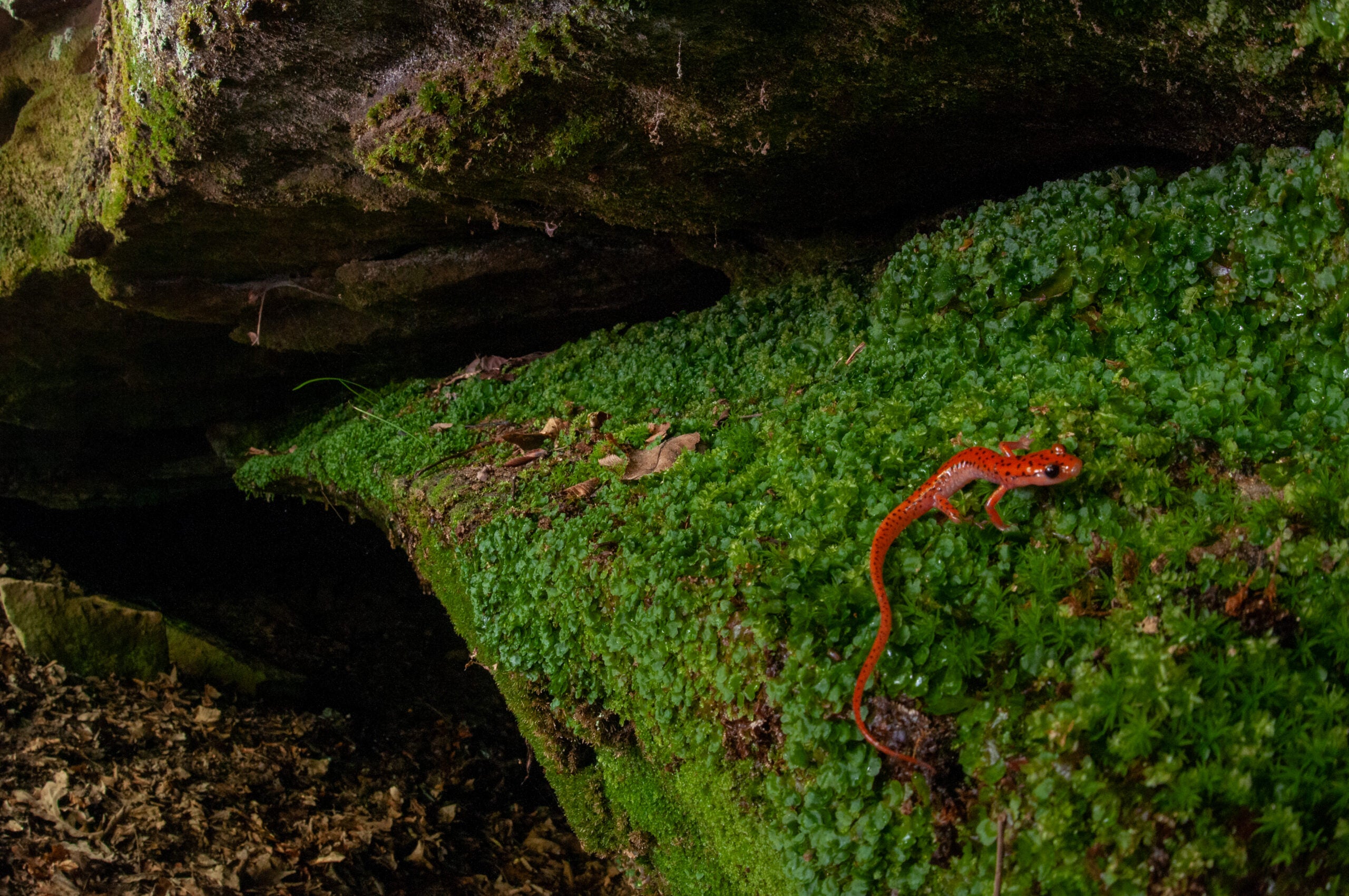
6. Don’t touch salamanders
They breathe through their skin — so even clean hands can harm them. Observe these sensitive creatures from a distance, and snap photos instead of selfies.
Look, don’t touch.
7. Let the salamander cross
During rainy spring nights, salamanders migrate to breeding ponds — often across roads. If you see them, slow down, dim your lights, and give them space to complete their journey safely.
Sometimes helping means stepping aside.
8. Don’t flush your meds
Pharmaceuticals flushed down toilets end up in streams and wetlands, contaminating amphibian habitats. Instead, return unused prescriptions to your pharmacy or local disposal site.
Healthy habits = healthy habitats.
9. Clean your boots
Before and after hiking, scrub your boots to prevent spreading fungi or bacteria between ecosystems. One simple rinse can stop deadly pathogens from traveling to new areas.
One minute of cleaning can save countless lives.
10. Cut your carbon
Climate change alters the delicate balance of amphibian breeding cycles and habitat conditions. Bike, walk, or take public transport when you can — and support renewable energy initiatives.
Every reduced mile helps keep wetlands cool and stable.