Tropical Andes

The Tropical Andes covers less than 1% of the world's land surface and holds more biodiversity than any other region on Earth. Nearly 800 species face extinction here. Re:wild and partners are working to stop that from happening.

Support Conservation in the Tropical Andes
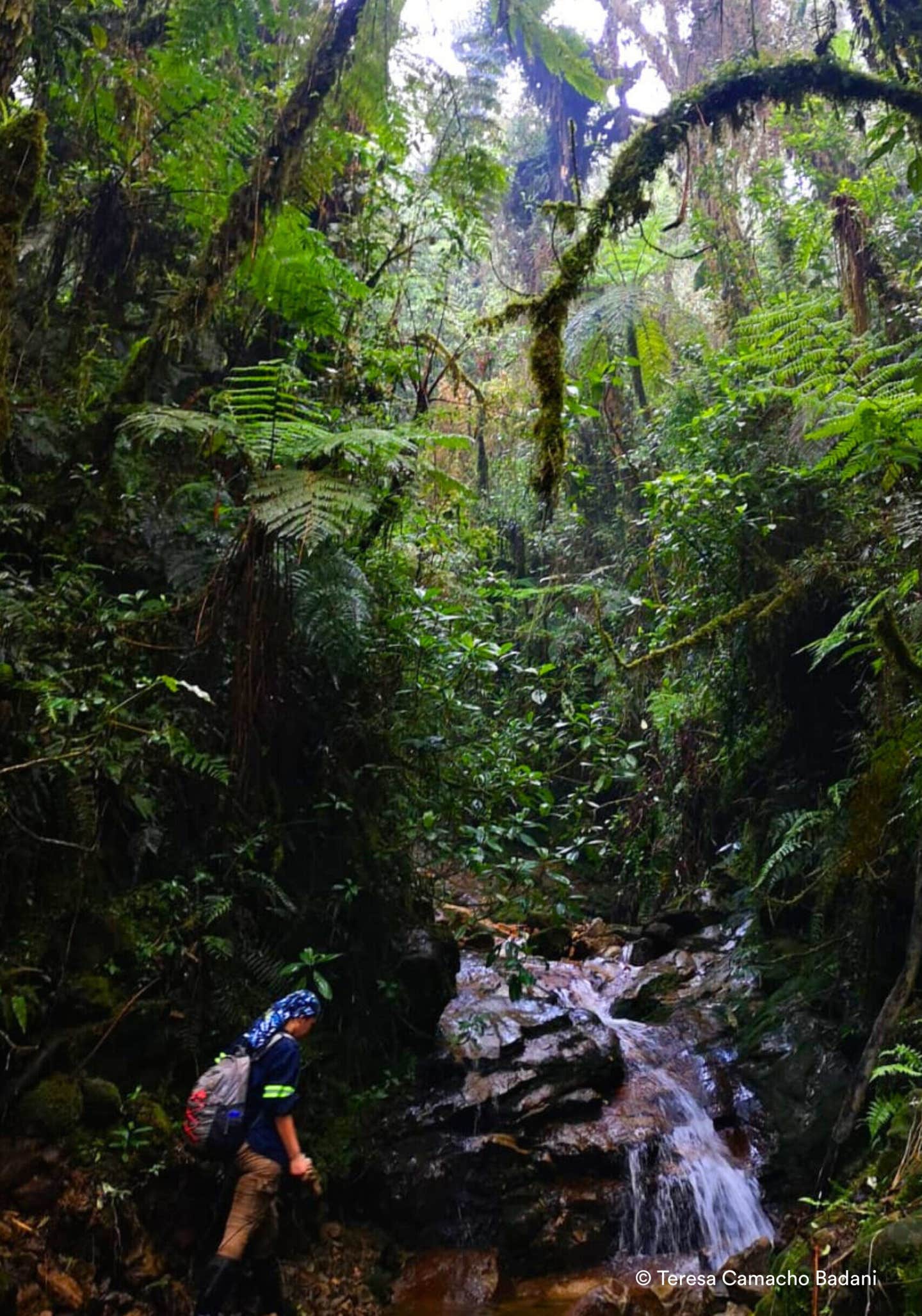
Nearly one-sixth of all plant life on Earth lives in a mountain range that covers less than 1% of its surface.
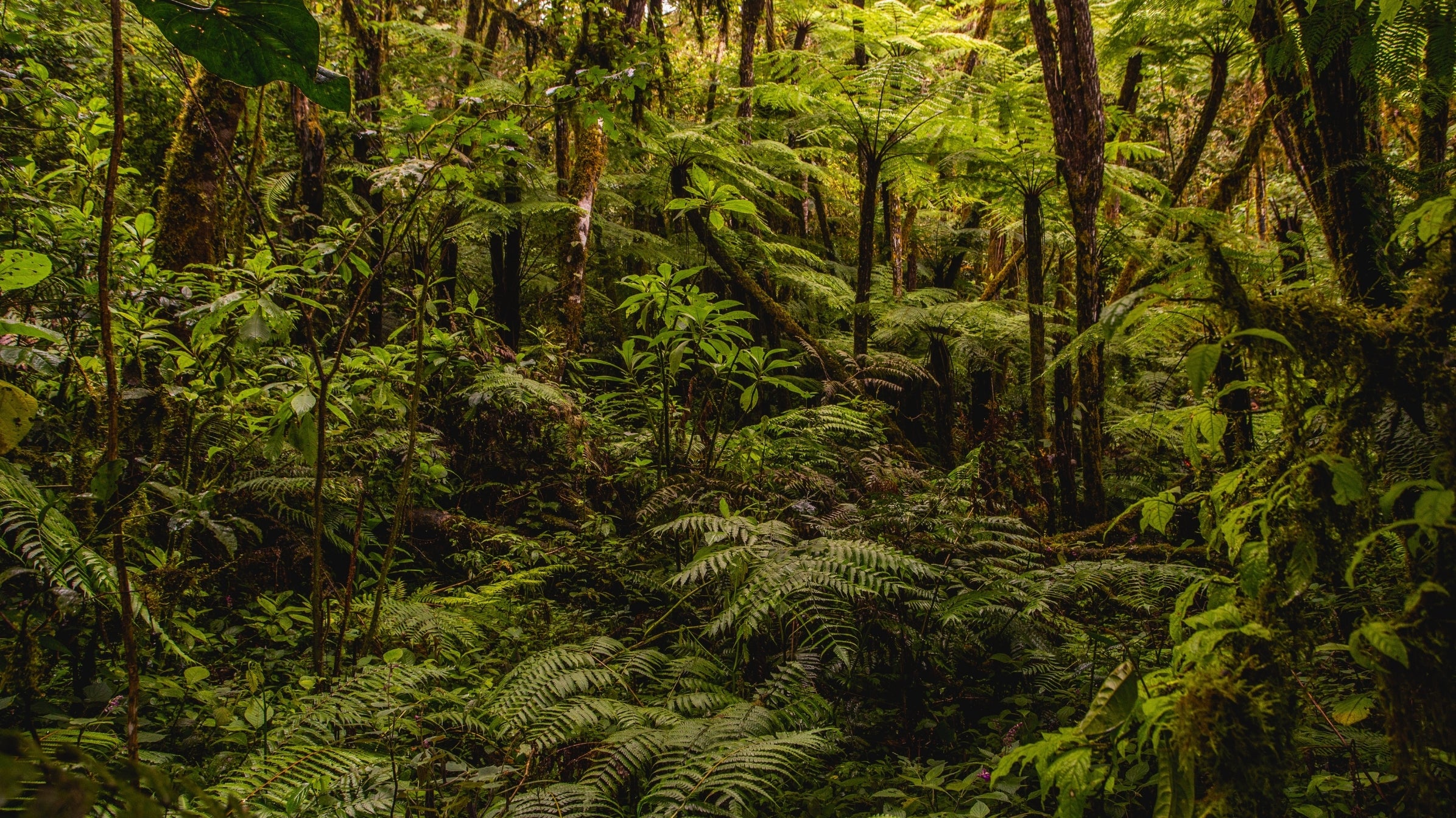
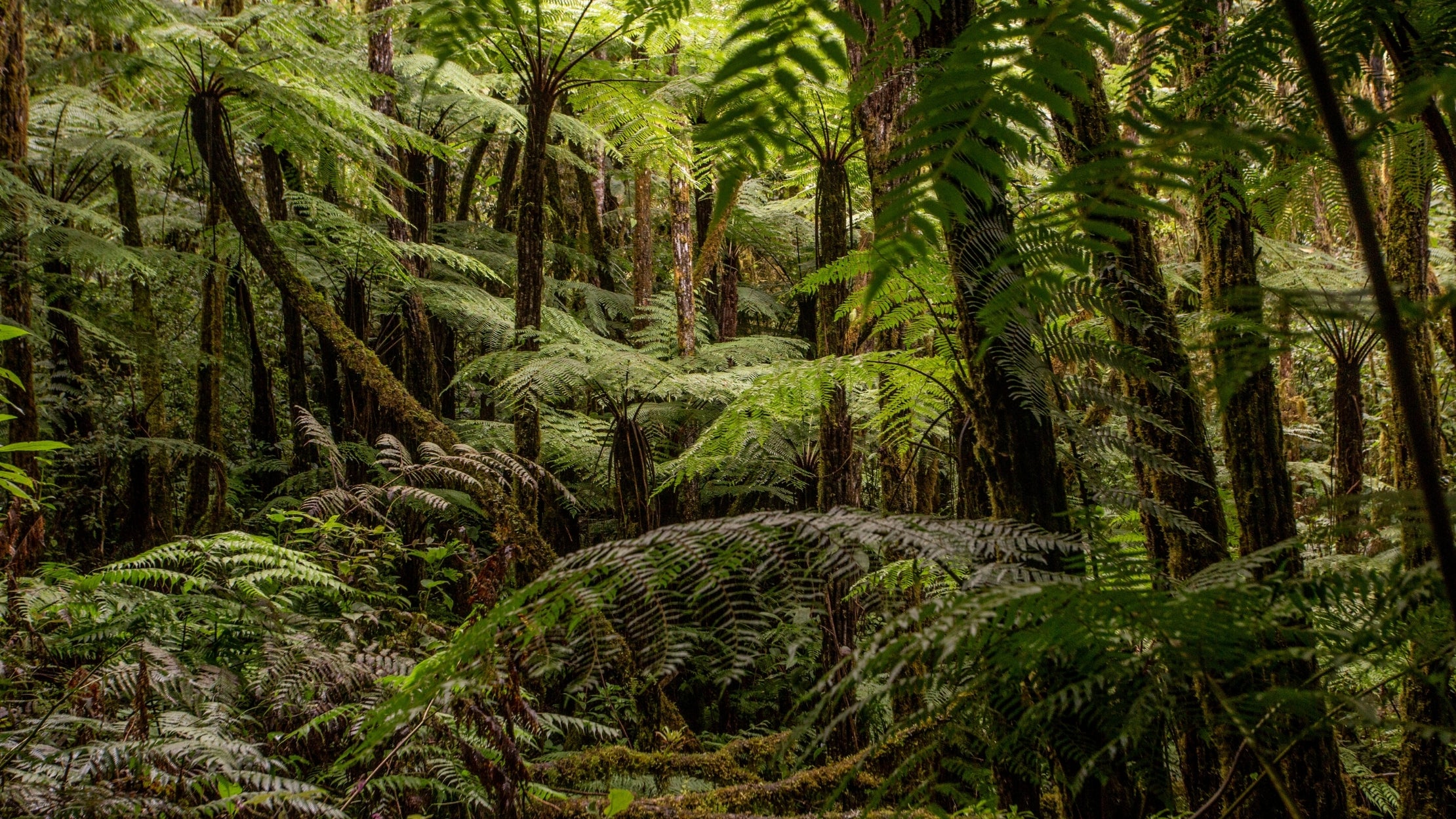
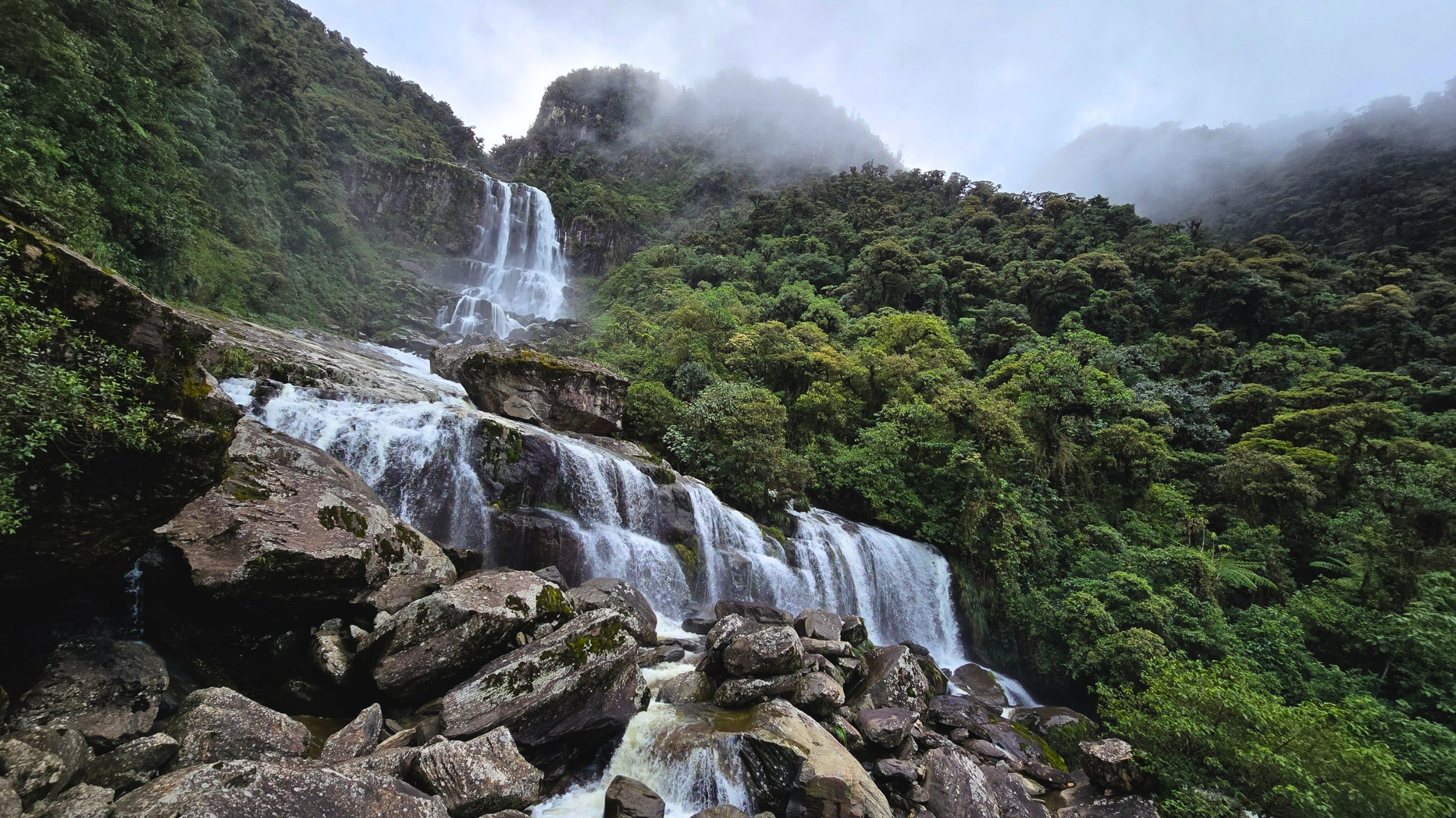
The Tropical Andes stretches from western Venezuela through Colombia, Ecuador, Peru, and Bolivia to northern Argentina and Chile. It is the longest and most biodiverse mountain chain on Earth, home to more than 1,500 bird species, nearly 500 reptile species, and more than 800 amphibian species.

It contains more than 400 Key Biodiversity Areas. In addition to storing 5 billion tons of carbon, it is South America's largest source of freshwater, feeding the Amazon and Orinoco rivers.

More than 57 million people live in the Tropical Andes, including more than 40 Indigenous groups and Afro-descendant communities who own more than 50% of the landscape. Their rights, cultures, and land tenure are inseparable from the conservation of this place.

About 80% of the Tropical Andes' original habitat has been destroyed.

Agricultural expansion, cattle ranching, logging, mining, and oil extraction have destroyed the majority of the original habitat. The Mountain Tapir, Spectacled Bear, Brown Spider Monkey, and more than 500 amphibians are facing extinction. The Tropical Andes has the highest number of threatened species of any Biodiversity Hotspot on Earth. The scale of the problem is matched by the scale of the opportunity: governments, Indigenous movements, and funders are increasingly aligned around the need to act.
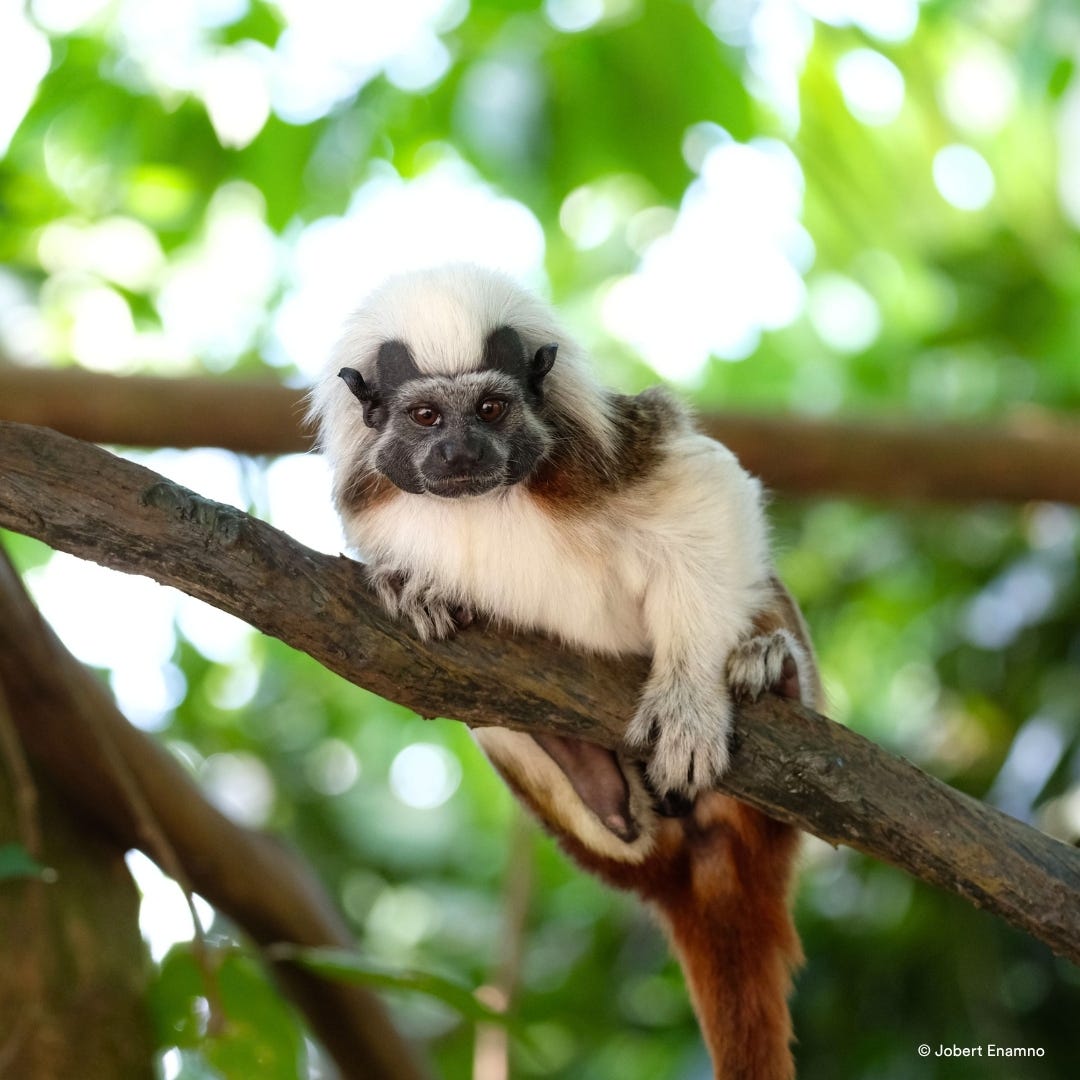
Over the past decade, Re:wild and partners have established more than a dozen new protected areas across Colombia, Ecuador, Peru, and Bolivia.
Re:wild works with local partner organizations to identify, fund, and establish new protected areas targeted at the most imperiled species and habitats in the Tropical Andes.

These include the Serranía de Perijá Bird Reserve and Los Titíes de San Juan Reserve for Cotton-top Tamarins in Colombia, the Las Tangaras reserves in Colombia with ProAves-Colombia, and the Chakana Reserve in Ecuador with Fundación de Conservación Jocotoco.

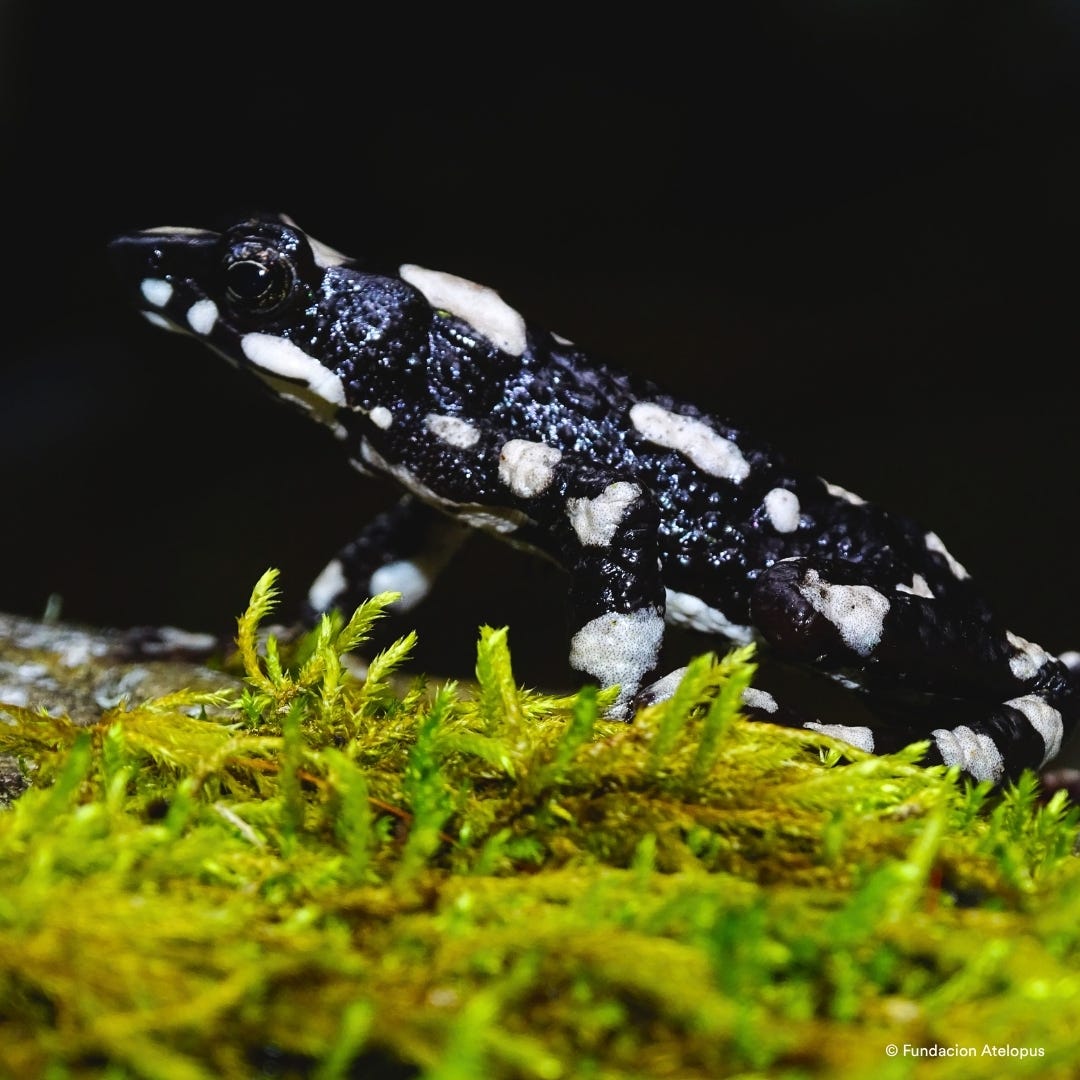
Across the Neotropics, Harlequin Toads have been devastated by a deadly fungal pathogen.

The Sierra Nevada de Santa Marta is one of the few places where they are not only surviving but thriving, with 17 endemic amphibian species including five Harlequin Toad species found nowhere else on Earth.

Re:wild works with Fundación Atelopus, the Arhuaco Indigenous community, and local farmholders to monitor populations and develop community-based solutions to protect these extraordinary animals and the watersheds they depend on.
Explore Sierra Nevada de Santa Marta

Our Partners

Every wild place has a story.

Explore the landscapes, the species, and the people working to protect them.

Stay in touch.

Get exclusive stories, behind-the-scenes updates, and ways to help—delivered to your inbox.

Donate for the wild.

Support real conservation impact—saving species, restoring ecosystems, and rewilding our world.

Donate